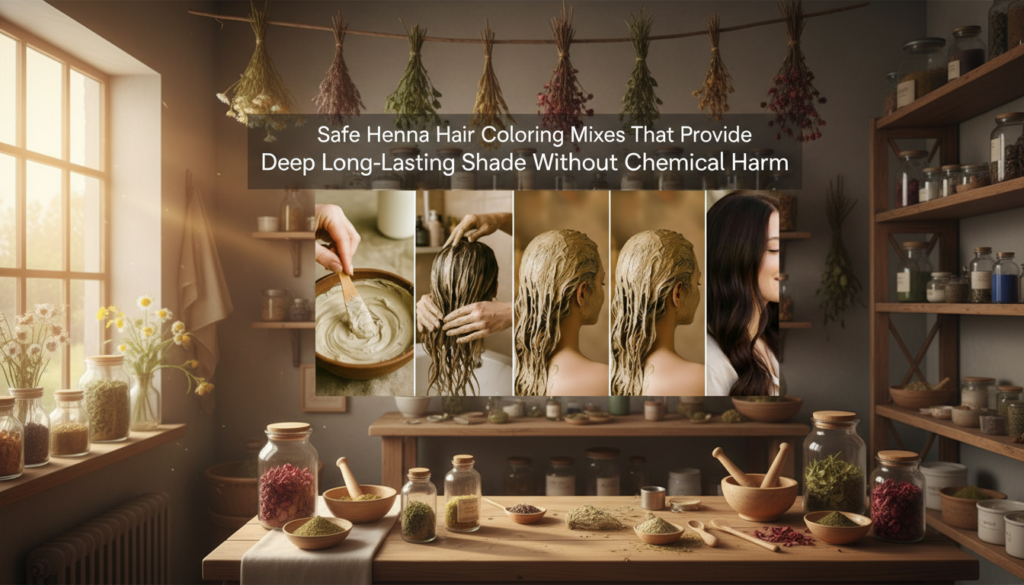
The first time I used henna to colour my hair, the kitchen smelt like an old drug store. The air smelled like wet dirt and dry leaves, which felt warm and strange, like someone had soaked the dirt in hot water. There was a ceramic bowl on the counter that was full of thick, shiny, dark green paste that looked like melted chocolate mixed with plant matter. I stopped for a second with the spoon over the bowl and thought about whether this muddy mix could really work as well as the shiny boxes of hair dye at the drugstore. After that, I dipped the brush into the paste, split my hair into sections, and brushed it through each strand. It felt cool and thick on my scalp, like a face mask, and it started to stain my hair and hands. It made me think differently about what is beautiful.
Why Henna Still Seems Like Magic in a World Full of Chemicals
It can be hard to choose a hair color in a modern store. There are a lot of strong chemical smells, flashy claims, and warnings in small print. A lot of people think that you need ammonia, peroxide, and synthetic formulas to get a certain color. Henna is a completely new thing. Henna is made from the Lawsonia inermis plant and has been used for thousands of years to color hair, skin, and fabric naturally. When mixed with warm water, its lawsone pigment slowly comes out and sticks to keratin. Henna doesn’t strip hair; instead, it coats each strand with a clear layer that makes hair stronger, shinier, and healthier. Its earthy smell, which is more like tea and leaves than perfume, makes coloring a calming ritual instead of a rushed chore.
Choosing Henna That Is Clearly Labeled and Pure
It all depends on how good the henna is. Real henna should be 100% pure body art powder that doesn’t have any metallic salts or synthetic dyes in it. There are a lot of bad things that happen because of “compound hennas” that hide chemicals. Henna that is of good quality should feel soft and finely sifted, smell fresh and grassy, and never sparkle or smell fake. Henna loses its ability to stain over time, so you need to keep it fresh. It’s important to buy from places you can trust and read the labels carefully. You’re not just buying a color; you’re also choosing a plant that was grown, picked, and ground with care. Your hair will look better and more even if you treat henna like a living thing.
 No vinegar and no baking soda: pour half a glass of this and the drain practically cleans itself
How to Set Up Henna in a Simple and Useful Way
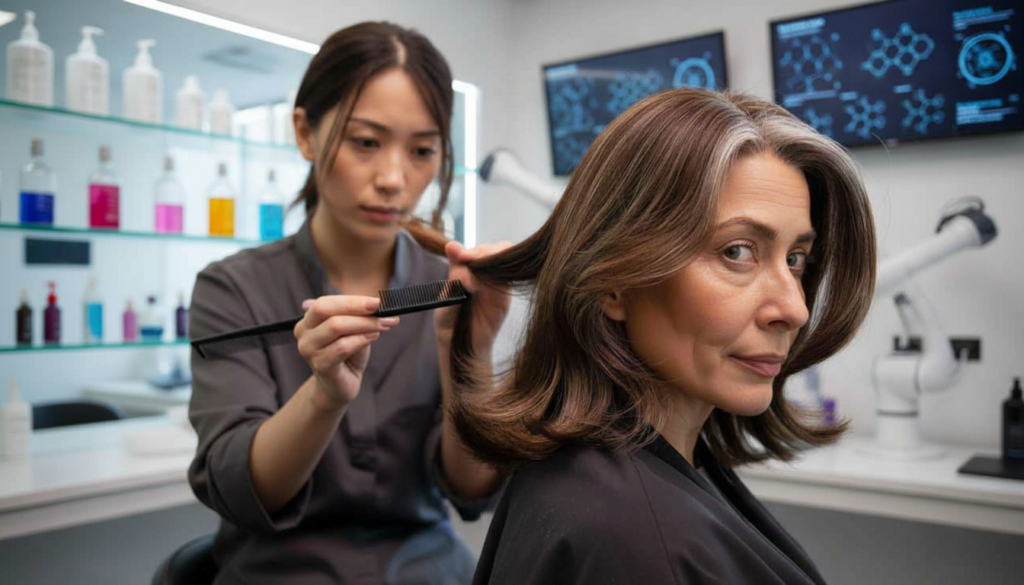
Henna doesn’t require any special tools. You just need an old towel, a bowl, a spoon, gloves, an applicator brush, and plastic wrap. Don’t touch reactive metals, and always wear gloves and clothes. Tools are not as important as patience. Henna takes a long time to work; it lets out color over hours instead of minutes. Henna is more like cooking a meal slowly, which is relaxing and rewarding, than using quick chemical dyes.
A Classic Henna Recipe for Warm Copper Tones
The easiest recipe makes colors of warm copper. Mix pure henna powder with hot, strong tea until it feels like yogurt. You can add lemon juice or apple cider vinegar to help the dye come out if your scalp can handle a little acidity. Let the mixture sit for 4 to 8 hours so that the colour gets darker. Put it on clean hair evenly, wrap it up tightly, and leave it on for 2 to 4 hours. The colour may look bright orange right after rinsing, but it will change over the course of a few days into a more natural copper or auburn colour, depending on the colour of your hair when you started.
How to Mix Plants to Get Auburn and Brown Tones
You can change the color of henna by adding other natural powders to it. When you mix henna with amla, the color becomes less bright, the auburn tones become cooler, and the hair feels better. For brown or chocolate colours, the best way to do it is in two steps: first, put henna on to make a red base, and then put indigo on top to make the colour darker. This method gives you more control and more consistent results, especially for hair that is light to medium in color. It can make colors from chestnut to almost black.
Henna Gloss makes your hair softer and shinier.
If you want a lighter look, a henna gloss is a good choice. You can use henna paste and a conditioner that doesn’t have silicone in it to make a hair mask. Wait 45 to 90 minutes before rinsing it off. This way of doing things gives your hair a little warmth, soft highlights, and a lot of shine without changing the color too much. This is a great way to see how henna works before you put it on your whole body.
Finding Your Perfect Shade by Layering
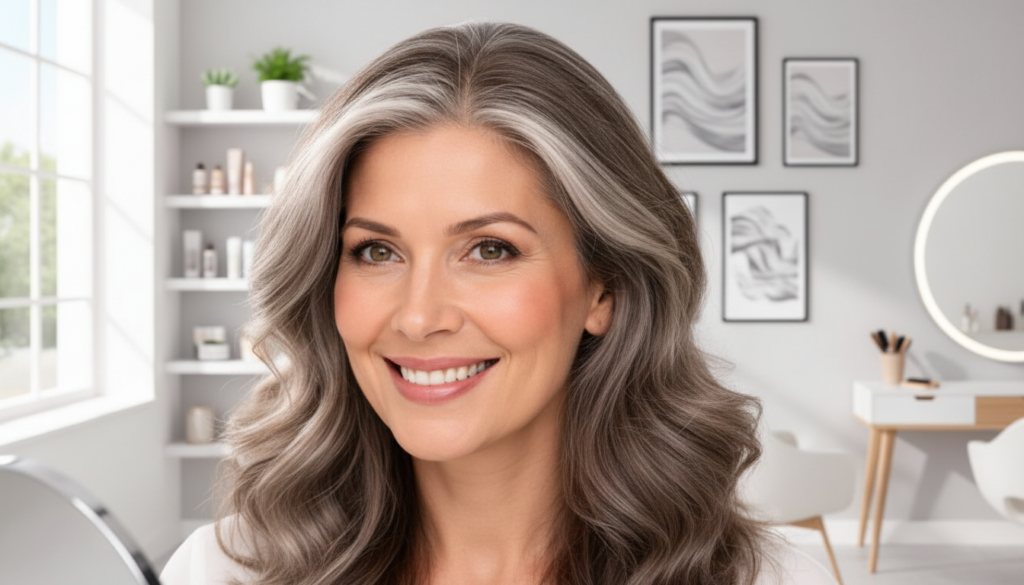
Henna changes color over time. The color gets deeper, richer, and shinier with each application. The sun makes light hair look golden-copper, medium hair look chestnut or auburn, and dark hair look red. Instead of fading away, gray strands turn into warm highlights. Henna fades slowly, so it’s best to start out slowly. You can always add more layers to your hair to make the color darker without hurting it.

Ingredient: Main Benefit
| Ingredient | Main Benefit | Best for |
|---|---|---|
| Amla Powder | Adds natural volume and softens bright red tones into cooler auburn shades. | People who want to get rid of orange tones and get a balanced brown-red finish |
| Indigo Dust | Darkens henna results into deep brown or almost black colors. | People who want a lot of grey coverage or a deep brunette look |
| Cassia (Neutral Henna) | Adds a little golden warmth and shine without changing the color too much. | Light or blonde hair types that want shine and softness |
| Black Tea or Coffee | Makes the overall color of the hair deeper and richer. | Medium to dark hair that needs a deeper, brighter finish |
| Tea with Chamomile | Soft golden highlights gently brighten strands. This is great for lighter hair colors that want a natural sun-kissed look. | Great for lighter hair colors |
Gel from Aloe Vera
The product transforms the paste into a smoother and more hydrated formula with an improved consistency. It works well for hair that lacks moisture and shows signs of dryness or damage from styling.
Lavender and rosemary essential oils
This product enhances the fragrance while supporting scalp relaxation or stimulation. It is designed for individuals who find the natural scent of henna unpleasant or for those who prioritize scalp health and care.
Knowing about your hair history and safety issues
Natural dyes can still cause problems even though they come from plants. Before using any dye you should test it first by applying a small amount to your skin and washing it off. Then wait a full day or two to see if any reaction happens. Hair that has been colored with chemical dyes before needs special attention because those products sometimes have metallic salts in them. Real henna is generally safe to use but lower quality versions can create unexpected problems. Put some oil along your hairline to keep it protected & make sure you are working in a space with good ventilation. Take your time with the whole process instead of trying to finish quickly.
Care after and results that last a long time
Removing henna requires patience as warm water and time work together to rinse it away. Many people wait a full day before washing their hair to allow the color to properly develop. The shade deepens and stabilizes during the following days. Gentle washing without excessive sulfate products helps maintain the color for an extended period. Periodic root touch-ups and occasional gloss treatments preserve both the hair’s strength and shine while ensuring consistent color throughout.
The Quiet Strength of Plant-Based Hair Color
Henna doesn’t damage hair but actually improves its condition. The color creates natural variations and transforms grey hairs into attractive highlights. Using henna offers a gentle alternative to aggressive chemical treatments and rushed beauty procedures. It encourages a slower approach that values patience and authenticity while fostering a deeper connection to natural processes. The result differs from uniform salon coloring because it develops gradually and shifts with light and environmental factors to create a genuinely individual appearance.