A silent, continuous strain on the body is one of the most common signs of chronic inflammation. Many people experience joint stiffness, muscle soreness, digestive discomfort, long-lasting fatigue, or a constant feeling of physical heaviness. While nutrition and medical care remain important, gentle movement can play an equally supportive role in managing inflammation.
Slow and mindful yoga stretches help improve circulation, calm the nervous system, and reduce inflammatory responses. The most effective approach focuses on relaxation rather than physical effort. These four gentle yoga stretches are widely recognised for supporting the body’s natural healing and recovery process.
How Gentle Yoga Helps Reduce Inflammation
Chronic stress, poor blood circulation, and limited body movement are strongly connected to inflammation. When the body remains tense for long periods, stress hormones increase, which can worsen inflammatory symptoms.

Gentle yoga activates the parasympathetic nervous system, also known as the rest-and-repair response. This response allows the body to relax muscles, improve blood flow, and support internal healing systems. With regular practice, this calming effect may reduce inflammation levels and help prevent frequent flare-ups.

| Benefit | How Gentle Yoga Helps |
|---|---|
| Stress Reduction | Activates the parasympathetic nervous system to calm the body |
| Improved Circulation | Enhances blood flow that supports tissue healing |
| Muscle Relaxation | Releases tension stored in muscles and joints |
| Inflammation Control | Helps reduce long-term inflammatory responses |
Child’s Pose for Deep Whole-Body Relaxation
Child’s Pose is one of the most soothing yoga postures and is especially useful for people experiencing inflammation caused by stress and exhaustion. The pose gently stretches the hips, shoulders, and lower back while encouraging slow and steady breathing.
To practise this pose, begin by kneeling on the floor with your knees slightly apart. Slowly lower your hips toward your heels and fold your torso over your thighs. Your arms can be extended forward or relaxed beside your body. Rest your forehead on the mat or a soft cushion for support.
Remain in this position for one to three minutes while breathing slowly and evenly. This posture helps release tension from the spine and hips, areas where inflammation often develops due to poor posture or long hours of sitting. The gentle pressure on the abdomen may also support digestive health, which plays a role in controlling inflammation.
Supported Bridge Pose for Circulation and Joint Comfort
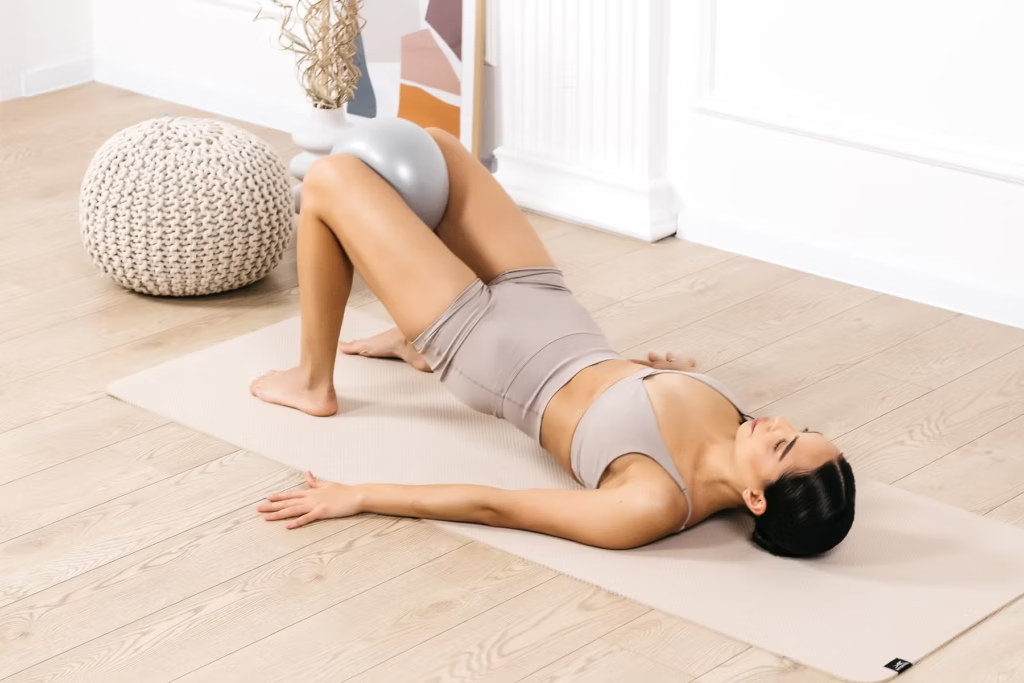
The Supported Bridge Pose provides the benefits of a mild backbend without placing extra pressure on the spine or joints. This posture encourages healthy circulation and flexibility, which can help reduce inflammation caused by stiffness and limited movement.
Begin by lying on your back with knees bent and feet flat on the floor. Gently lift your hips and place a yoga block or firm cushion beneath your sacrum. Allow your hips to fully rest on the support without engaging your muscles. Keep your arms relaxed beside your body and let the chest open naturally.
Hold this position for one to two minutes while maintaining calm breathing. This stretch improves blood flow to the pelvis and spine and gently stimulates the endocrine system, which helps regulate inflammation. Because the pose is passive, it is particularly suitable for people experiencing chronic pain or joint sensitivity.
Seated Forward Fold to Calm Internal Inflammation
The Seated Forward Fold is a relaxing stretch that helps soothe the nervous system and the back muscles. It is especially helpful for individuals whose inflammation is related to digestive issues or autoimmune conditions.
To practise this stretch, sit on the floor with your legs extended straight in front of you. Take a deep breath and lengthen your spine. Slowly bend forward from the hips, placing your hands on your legs, ankles, or feet. Avoid forcing the stretch and keep your neck and shoulders relaxed.
Hold the posture for about one minute while breathing slowly. This movement improves blood flow, gently massages internal organs, and supports digestive health. Forward folds are also known to calm the mind and reduce stress-related inflammatory triggers.
Supine Spinal Twist for Detox and Mobility
The Supine Spinal Twist helps improve spinal mobility and gentle detoxification. Twisting movements stimulate circulation in the abdominal organs and relieve tension along the spine.
Start by lying flat on your back and bending your knees. Draw your right knee toward your chest, then gently move it across your body toward the left side. Extend your right arm outward and turn your head to the right if comfortable.
Stay in the position for several slow breaths before switching sides. This stretch helps release stiffness in the hips and lower back while promoting lymphatic and digestive flow. Because it is performed on the floor, it places minimal stress on the joints, making it suitable for people with chronic inflammation.
Safe Practice Tips for Managing Inflammation
When dealing with inflammation, gentleness is more important than intensity. Move slowly, use props for support, and avoid any posture that causes sharp or painful sensations. Let each movement be guided by deep, calm breathing.
Practising these stretches for ten minutes a day, five to six days a week can be more beneficial than performing intense exercise occasionally. Always listen to your body, rest when necessary, and progress gradually.
A Gentle Approach to Long-Term Relief
Chronic inflammation rarely disappears overnight, but consistent daily habits can create meaningful improvements. Therapeutic yoga provides a natural and non-invasive method to reduce stress, improve circulation, and support the body’s healing systems.

By regularly practising these four calming yoga stretches, the body receives the time and space it needs to restore balance. Over time, this gentle routine may lead to greater comfort, improved mobility, and stronger overall wellbeing.
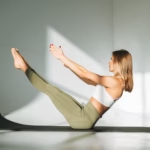 This reformer Pilates-inspired mat workout is a non-negotiable for your core, arms and back