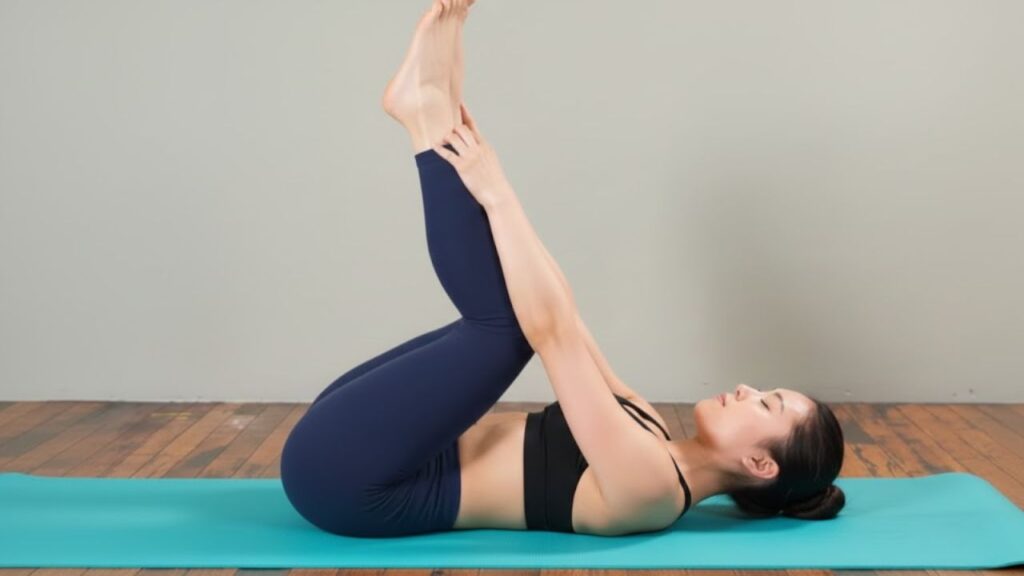
Pilates has long been praised for improving flexibility, posture, and overall strength, but new discussions among fitness experts suggest that reformer Pilates may be especially helpful for bone health. In the United States, where osteoporosis affects millions of adults, many trainers and physiotherapists are recommending reformer-based workouts as a preventive strategy. Unlike traditional mat Pilates, the reformer machine adds resistance and controlled movement, which may help stimulate bone growth. Understanding how this equipment-based workout supports bone density, muscle strength, and joint stability can help people choose the most effective routine for long-term skeletal health.
Why Reformer Pilates for Osteoporosis Prevention Is Gaining Attention
Fitness specialists often highlight reformer Pilates as a powerful way to strengthen bones while keeping workouts low impact. The reformer machine uses springs and adjustable resistance, allowing exercises that place controlled stress on the skeleton. This type of training is important because bones respond positively to resistance and load-bearing movement. Compared with simple floor routines, the machine offers adjustable spring resistance, encourages controlled muscle activation, and supports low-impact strength training. Trainers also note that reformer sessions improve joint alignment stability during exercise, which reduces injury risk. For individuals worried about bone loss or aging-related weakness, these benefits make reformer Pilates an increasingly popular fitness option.
How Reformer Pilates Strengthens Bones More Than Mat Pilates
The key difference between mat and reformer Pilates lies in resistance and movement control. Mat workouts rely mainly on body weight, while reformer exercises incorporate spring tension that challenges muscles and bones more directly. This extra resistance helps create bone density stimulation, which experts believe is crucial for preventing osteoporosis. The reformer also allows movements that target the spine and hips—areas most vulnerable to bone loss. During sessions, practitioners often experience deep core engagement and improved spinal support muscles. Because the equipment guides motion smoothly, it also improves balanced muscle development. Together, these factors explain why some professionals consider reformer workouts more effective for long-term bone protection.

Benefits of Reformer Pilates for Long-Term Bone Health
Beyond bone density, reformer Pilates provides several advantages that support overall musculoskeletal health. Regular sessions help strengthen stabilizing muscles and improve posture, which can reduce strain on bones and joints over time. Experts often emphasize progressive resistance training, which gradually increases the load on muscles to support stronger bones. Participants also gain improved posture control and enhanced functional movement patterns in daily life. Another major advantage is injury risk reduction, as the reformer supports the body while still delivering challenging resistance. For adults looking to maintain mobility and protect their skeleton as they age, this structured training method offers a safe yet effective approach.

Summary and Expert Perspective
While both mat and reformer Pilates offer excellent fitness benefits, experts increasingly believe that reformer training may be more helpful for osteoporosis prevention. The machine’s resistance system allows targeted exercises that challenge bones and muscles without the harsh impact seen in some high-intensity workouts. Many physiotherapists recommend combining Pilates with other activities such as walking or strength training to achieve comprehensive bone care. Maintaining an active aging lifestyle and practicing consistent movement routines can significantly improve skeletal health. When guided by a qualified instructor, reformer sessions also promote long-term mobility support, making them a practical option for people seeking sustainable fitness habits.
| Feature | Mat Pilates | Reformer Pilates |
|---|---|---|
| Resistance Type | Body weight | Spring-based resistance |
| Bone Stimulation | Moderate | Higher load stimulus |
| Equipment Needed | Mat only | Reformer machine |
| Movement Control | Basic stability | Guided resistance motion |
| Best For | Flexibility & core | Strength & bone support |
Frequently Asked Questions (FAQs)
1. What is reformer Pilates?
Reformer Pilates is a Pilates workout performed on a spring-based machine that provides resistance and guided movement.

2. Is reformer Pilates better for bone health?
Experts suggest it may support bone density more effectively because of controlled resistance training.
3. Can beginners try reformer Pilates?
Yes, beginners can safely start with instructor guidance and low resistance settings.
 Psychology Reveals Why Some People Feel Uncomfortable When Life Suddenly Has No Problems to Solve
4. How often should someone practice reformer Pilates?
Most trainers recommend two to three sessions per week for noticeable strength and mobility benefits.