Many runners in the United States focus heavily on mileage and speed but often overlook the importance of proper stretching. Skipping flexibility work might seem harmless, but it can slow recovery and increase the risk of injury. Adding just a few targeted yoga poses to a routine can dramatically improve running performance and help muscles recover faster. Over time, I discovered that certain stretches not only eased soreness but also made my stride feel lighter and stronger. These three yoga poses became simple but powerful tools that improved endurance, reduced stiffness, and made running far more enjoyable.
How Yoga Poses Improve Running Flexibility
One of the biggest challenges runners face is tight muscles, especially in the hips and hamstrings. A simple yoga pose like Downward Dog can dramatically improve flexibility while activating multiple muscle groups at once. This pose gently stretches the calves, lengthens the spine, and improves posture, making each run feel more fluid. Regular stretching encourages better stride length and promotes muscle elasticity, which helps prevent stiffness after long runs. Many runners also notice reduced joint tension and a smoother transition between strides. When practiced consistently, yoga becomes more than stretching—it creates efficient movement patterns that help runners move with less effort and more balance.
Runner-Friendly Yoga Pose for Stronger Legs
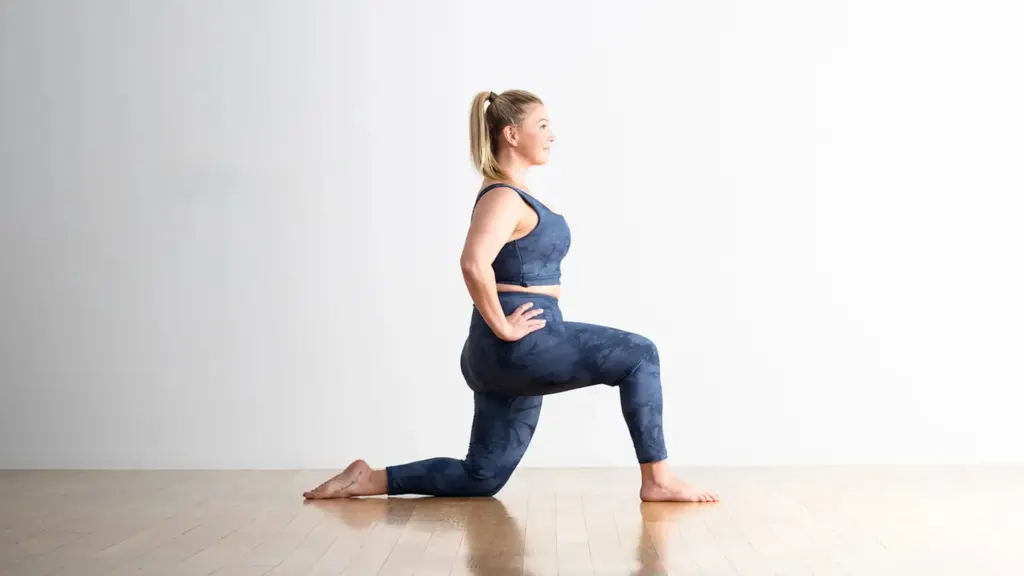
Low Lunge is a powerful yoga pose that specifically targets muscles runners rely on most. It deeply stretches the hip flexors while strengthening the glutes and quads, two areas that often become tight from repetitive running. By opening the hips, runners experience greater hip mobility and improved balance during longer runs. This pose also helps develop lower body stability, which can reduce fatigue over distance. Many runners notice improved control during uphill climbs thanks to stronger push-off power. Over time, the pose promotes balanced muscle activation, allowing the body to distribute effort evenly and reduce strain during demanding training sessions.

Recovery Yoga Pose Every Runner Should Try
After a tough run, the body needs recovery just as much as it needs training. The Pigeon Pose is one of the most effective yoga stretches for relieving tight hips and glutes. Runners often carry tension in these areas, and this pose gently releases deep muscle knots. Practicing it regularly can improve post-run recovery and reduce lingering soreness after long distances. It also supports deep hip release, which helps restore natural mobility lost during repetitive movement. Many athletes report less muscle fatigue and fewer aches the following day. Over time, consistent stretching leads to faster recovery cycles, allowing runners to train more comfortably and consistently.

Why Stretching Makes Running Easier
Stretching may seem like a small step, but it plays a major role in overall running performance. Yoga poses improve flexibility, enhance muscle coordination, and help runners recover faster between workouts. When stretching becomes a consistent habit, runners often experience smoother movement and fewer injuries. Yoga also encourages mindfulness, helping athletes pay attention to how their bodies move and respond to effort. Over time, this awareness leads to better training decisions and improved long-term performance. Even just a few minutes of yoga before or after a run can make a noticeable difference in endurance, comfort, and recovery.
| Yoga Pose | Main Benefit | Target Muscles | Best Time to Practice |
|---|---|---|---|
| Downward Dog | Improves flexibility | Hamstrings, calves | Before running |
| Low Lunge | Strengthens hips | Hip flexors, quads | Warm-up routine |
| Pigeon Pose | Releases hip tension | Glutes, hips | Post-run recovery |
| Standing Forward Fold | Reduces muscle stiffness | Hamstrings, lower back | After long runs |
| Child’s Pose | Promotes relaxation | Lower back, hips | Cool-down stretch |
Frequently Asked Questions (FAQs)
1. Why should runners practice yoga?
Yoga improves flexibility, reduces injury risk, and supports faster muscle recovery for runners.

2. How often should runners do yoga stretches?
Most runners benefit from stretching or yoga at least three to four times per week.
3. Can yoga actually improve running performance?
Yes, better flexibility and mobility can lead to smoother strides and stronger running efficiency.

4. Is it better to do yoga before or after running?
Light yoga works well before running, while deeper stretches are ideal for post-run recovery.