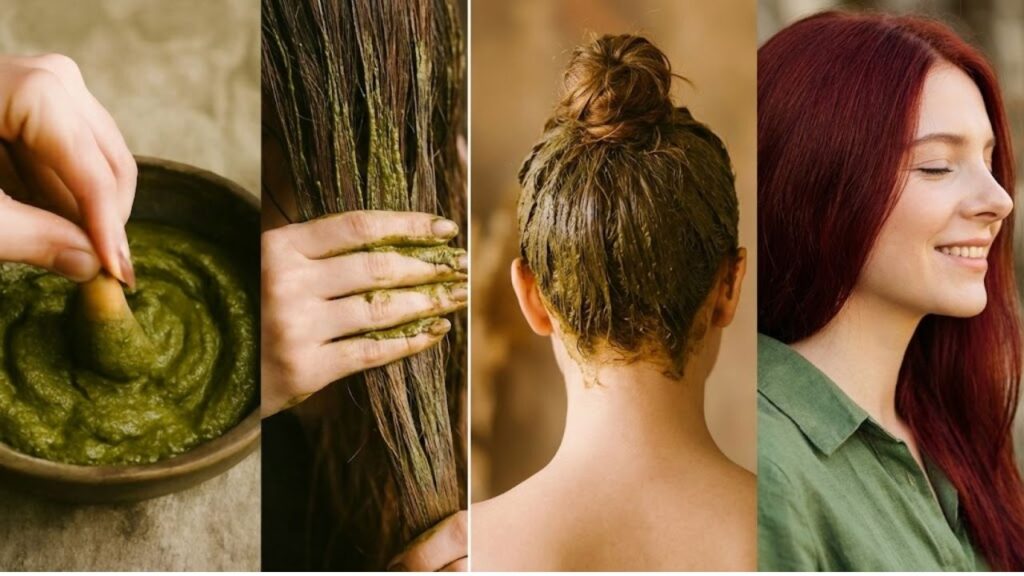
When I first used henna to color my hair, the kitchen smelled like an old drugstore. The air was filled with the earthy scent of wet dirt and dried leaves, warm and strange, much like someone had soaked the soil in hot water. On the counter was a ceramic bowl filled with a thick, shiny, deep green paste that resembled melted chocolate mixed with plant matter. I paused with the spoon over the bowl, wondering if this muddy mix could really work as well as the shiny boxes of hair dye at the store. With hesitation, I dipped the brush in the paste, separated my hair, and spread it through my strands. The henna felt cool and thick on my scalp, almost like a face mask. It stained my hands and hair, but more importantly, it changed how I thought about beauty.
Why Henna Feels Magical in a Chemical World
Choosing a hair dye at a modern store can be overwhelming with its strong chemical smells, big promises, and small warning labels. Many people accept the use of ammonia, peroxide, and synthetic formulas as a trade-off for getting the desired color. Henna is different. Derived from the Lawsonia inermis plant, henna has been used for thousands of years to naturally color hair, skin, and fabric. When mixed with warm liquid, its lawsone pigment slowly releases and binds to keratin. Unlike chemical dyes, henna doesn’t strip the hair; instead, it wraps each strand in a clear layer of color, making the hair stronger, shinier, and healthier. The smell is earthy, more like leaves and tea than perfume. Coloring your hair with henna becomes a calming ritual rather than a hurried task.
Choosing Pure Henna: What to Look For
The quality of henna is key. Authentic henna should be pure powder, safe for body art, and free from metallic salts or synthetic dyes. Many so-called “compound hennas” contain hidden chemicals. Good henna is finely sifted, fresh, and smells grassy—never fake or sparkly. Henna loses its staining ability over time, so freshness is critical. Always read labels carefully and purchase from reputable sources. By treating henna as a living product, you ensure better and more consistent results on your hair.

Simple Henna Kit for the Perfect Color
Henna doesn’t require expensive tools. You only need a glass, ceramic, or stainless steel bowl, a spoon, gloves, an applicator brush, plastic wrap, and an old towel. Avoid metal containers that react with henna. Wear gloves and clothes to protect your skin. Patience is essential, as henna works slowly, releasing its dye over hours, not minutes. It’s more like cooking a slow meal than using instant chemical dyes. The process is deliberate and satisfying.

Classic Henna Recipe for Copper Tones
To create warm copper tones, mix pure henna powder with hot, strong tea until the consistency is thick and creamy. If your scalp can handle mild acidity, add lemon juice or apple cider vinegar to enhance the dye release. Let the mixture sit for 4 to 8 hours until the color darkens. Apply it to clean hair, wrap it up, and leave it on for 2 to 4 hours. After rinsing, the color may initially appear bright orange but will gradually shift to a more natural copper or auburn over the following days.
Creating Brown and Auburn Shades
To soften henna’s brightness or create darker tones, mix it with other plant powders. Amla powder reduces red tones, giving a cooler auburn hue while also adding texture. For darker colors, use a two-step process: apply henna to create a red base, then follow up with indigo to darken the color. This technique offers better control, particularly on light to medium hair, and can achieve shades from chestnut to nearly black.
Common Henna Ingredients and Their Effects
| Ingredient | Effect | Best For |
|---|---|---|
| Amla Powder | Softens red tones and adds body to hair | Balanced brown-red color |
| Indigo Powder | Darkens henna color to brown or black | Grey hair coverage or dark brunette color |
| Cassia (Neutral Henna) | Adds subtle color and golden glow | Blonde/light hair for warmth and shine |
| Coffee or Black Tea | Adds depth and richness to color | Medium to dark hair for fuller color |
| Chamomile Tea | Brightens and adds golden warmth | Light hair for sunlit effect |
| Aloe Vera Gel | Moisturizes and smooths henna paste | Dry, curly, or fragile hair |
| Essential Oils (Lavender, Rosemary) | Improves scent and calms the scalp | Sensitive scalps or henna smell sensitivity |
Henna Gloss for Subtle Color and Shine
If you prefer a more subtle effect, try a henna gloss. Add a small amount of henna paste to a conditioner without silicone and apply it as a hair mask. Let it sit for 45 to 90 minutes before rinsing. This method gives your hair soft highlights and a lot of shine without changing the color drastically. It’s a great way to test henna before committing to a full-color application.
 Plank Hold Timing Explained: How Long You Should Hold a Plank to Build Core Strength at Every Age
Layering Henna for Your Perfect Shade
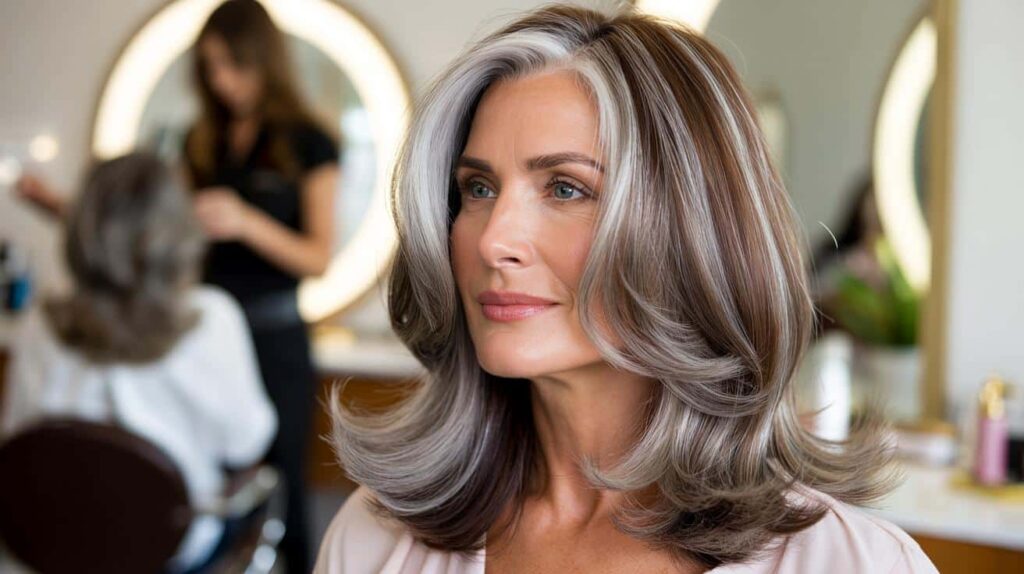
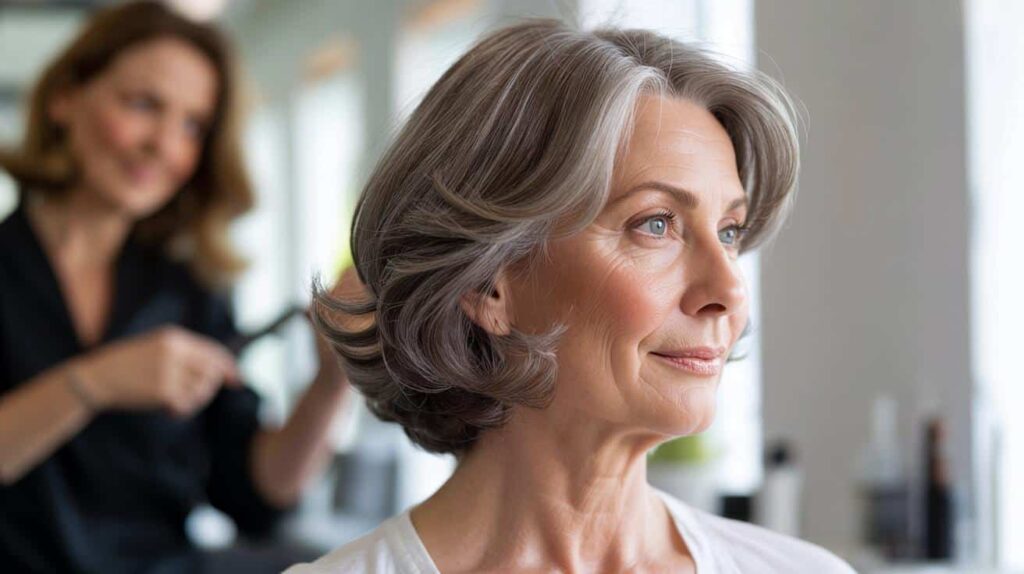
Henna builds color gradually, getting richer and deeper with each application. Light hair becomes golden-copper, medium hair turns chestnut or auburn, and dark hair reveals hints of red in sunlight. Grey hair transforms into warm highlights. Since henna fades slowly, it’s best to start with light applications and darken the color over time as needed.
Safety Considerations and Patch Tests
Always perform a patch test before using henna to check for allergies. Apply a small amount to your skin, rinse it off, and wait 24 to 48 hours. Be cautious if your hair has been previously dyed with chemicals, especially those containing metallic salts. While pure henna is generally safe, poor-quality products can lead to unexpected results. Use oil to protect your hairline, open a window for ventilation, and allow sufficient processing time for the best results.
Aftercare and Long-Term Results
Rinsing henna takes time, but warm water and patience will ensure you get rid of the paste. Many people refrain from shampooing their hair for the first 24 hours to allow the color to set. Over time, the color deepens, and regular touch-ups or gloss treatments will keep it even. Henna lasts longer when washed gently, avoiding harsh sulfates. With proper care, your hair will remain strong, shiny, and full of natural color.
The Quiet Strength of Plant-Based Hair Color
Henna doesn’t fight against your hair; it works harmoniously with it. Grey hair turns into highlights, and natural textures enhance beauty. By choosing henna, you’re making a conscious choice to avoid harsh chemicals and unrealistic beauty standards. Henna is not about perfect salon colors but about a living color that evolves with time, light, and nature. It’s a personal and real color that feels truly yours.