Rebuilding muscle after 55 is often perceived as a different process from muscle building earlier in life, but the body responds the same way to resistance training at any age. Muscles adapt to tension, effort, and consistent movement. The key is to adjust your approach to ensure it’s joint-friendly and sustainable as you age, while maintaining the core principles of muscle growth.
Why Compound Exercises Matter More After 55
Compound exercises should be the cornerstone of your muscle-building routine after 55. These movements engage multiple joints and large muscle groups, making them more effective than isolation exercises. Compound exercises improve balance, coordination, and overall movement, providing both muscle building and functional benefits.
Another crucial factor is repetition range. A moderate range of 8-12 repetitions per set ensures muscle engagement without causing excessive fatigue, which becomes more important as recovery times lengthen with age.
 Goodbye Hair Dye for Grey Hair: What to Add to Your Conditioner for Natural Colour Revival
Consistency is Key
The secret to rebuilding muscle is consistency. You don’t need to push yourself to exhaustion every day; instead, focus on controlled, effective repetitions and gradual progress. Muscle restoration requires time, but steady, smart effort will yield reliable results over the long term.

Effective Exercises for Building Strength After 55
Push-Ups
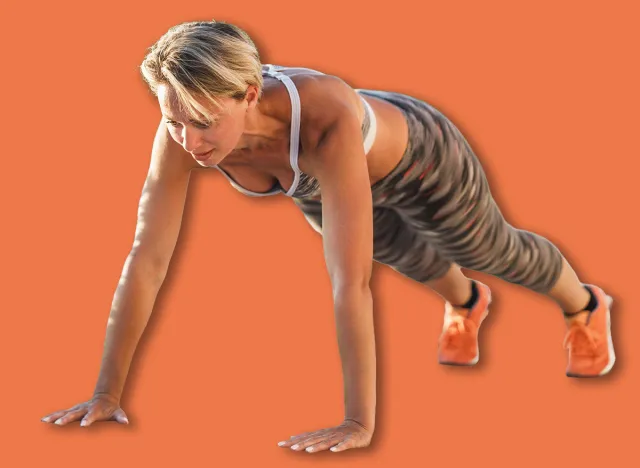
Push-ups are one of the best upper-body exercises, strengthening the chest, shoulders, arms, and core while improving posture and joint health. They can be easily modified to fit your level, making them ideal for consistent daily practice.
- Position your hands directly under your shoulders and enter a plank position.
- Brace your core, squeeze your glutes to stabilize your body.
- Lower your body towards the ground with control.
- Push through your hands to return to the starting position.
Lunges
Lunges are great for strengthening individual legs, improving balance and coordination, and enhancing joint stability. They target the hips, thighs, and core, and simulate everyday movements like climbing stairs or stepping forward.
- Stand tall with feet hip-width apart.
- Step forward with one leg and lower your body until both knees are bent.
- Push through the front heel to return to standing.
- Alternate legs with each repetition.
Pull-Ups
Pull-ups are excellent for restoring upper body pulling strength, which naturally declines with age. They strengthen the upper back, arms, and shoulders while improving posture and grip strength.
- Grip the pull-up bar with palms facing towards you.
- Pull your chest upward toward the bar.
- Pause at the top and lower yourself slowly under control.
Deadlifts
Deadlifts are highly effective for rebuilding strength in the hips, lower back, and core. They also help teach proper lifting mechanics, which protect the spine during everyday activities.
- Stand with feet hip-width apart, keeping your spine neutral.
- Grip the weight firmly and hinge at your hips.
- Drive through your heels to stand upright.
- Lower the weight with control back to the ground.
Squats
Squats are essential for maintaining lower body strength and mobility. They target the hips, thighs, and core, helping you perform daily tasks like sitting, standing, and lifting with ease.
- Stand with feet slightly wider than hip-width apart.
- Push your hips back while lowering your body.
- Keep your chest lifted and drive through your heels to return to standing.
Supporting Habits for Muscle Restoration After 55
While training is important, daily habits that support recovery play a significant role in rebuilding muscle effectively. These habits help ensure gradual and consistent progress over time.
Protein Intake
Ensure you include protein in every meal to support muscle repair and recovery. Protein is essential for muscle rebuilding and strength restoration.
Quality Repetitions
Focus on controlled and precise movements rather than just lifting heavier weights. Quality repetitions help build muscle while reducing the risk of injury.
Training Frequency
Consistency is more important than intensity. Short, regular workouts are more effective than long, occasional sessions.
Recovery Routines
Incorporate gentle movements, stretching, and mobility exercises into your routine to promote recovery, prevent stiffness, and maintain flexibility.

Patience
Muscle restoration takes time, so be patient. It’s about consistent effort over the weeks and months to see reliable results.