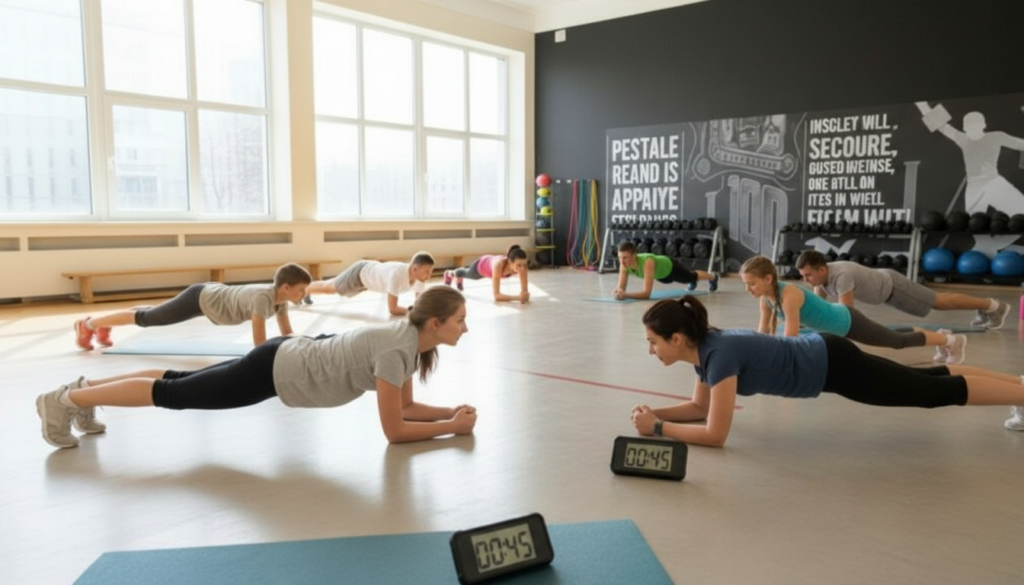
Plank holds are a simple yet highly effective exercise for building core stability and improving overall posture alignment. Understanding the ideal duration of a plank is essential for maximizing strength gains without risking injury. Many fitness enthusiasts struggle to find the right balance between holding too briefly and overexerting themselves. By adjusting the plank timing according to age and fitness level, you can safely enhance your abdominal endurance and achieve a stronger, more resilient core over time.
Optimal Plank Duration for Beginners
For those just starting their fitness journey, it’s crucial to focus on proper form rather than holding the plank for extended periods. Beginners should aim for short intervals, typically around 10 to 30 seconds, to build core activation and prevent strain. Gradually increasing the hold time allows muscles to adapt while minimizing joint stress. Maintaining a consistent practice of multiple short sets helps improve muscle endurance and prepares the body for more advanced variations without risking lower back discomfort.
Intermediate Plank Timing for Core Strength
Once a basic foundation is established, extending plank holds to 45 to 90 seconds can significantly enhance abdominal definition and overall core stability. Intermediate practitioners should focus on controlled breathing and keeping the spine neutral throughout the duration. Incorporating side planks and dynamic variations can further challenge oblique muscles and improve functional strength. This timing balances intensity and safety, providing noticeable gains in muscle endurance without risking overtraining or fatigue.

Advanced Plank Holds for Experienced Fitness Enthusiasts
For advanced athletes, holding planks beyond 2 minutes can push core strength to new levels. Combining weighted planks or stability variations enhances muscle activation and challenges overall endurance. At this stage, attention to form integrity becomes critical to prevent spinal strain and maintain effective engagement of the deep core muscles. Regularly varying duration and type ensures continued progress while avoiding plateaus in strength.

Summary of Plank Timing Benefits
Choosing the right plank duration is key to maximizing core benefits across all fitness levels. Short holds help beginners build muscle activation, moderate intervals improve endurance and strength, and long or weighted holds challenge advanced practitioners’ core resilience. Paying attention to form and breathing ensures every session is effective and safe. By strategically adjusting plank timing, anyone can enhance abdominal stability, support better posture, and develop a robust foundation for other exercises.
| Fitness Level | Recommended Duration | Focus Area |
|---|---|---|
| Beginner | 10–30 seconds | Form & Core Activation |
| Intermediate | 45–90 seconds | Endurance & Stability |
| Advanced | 2+ minutes | Strength & Muscle Engagement |
| Weighted Plank | 1–2 minutes | Overall Core Challenge |
Frequently Asked Questions (FAQs)
1. How long should beginners hold a plank?
Beginners should aim for 10–30 seconds per hold to build core strength safely.
2. Can holding a plank too long be harmful?
 Observation Game: Spot the Hidden Differences Between Two Elephant Pictures Before Time Runs Out
Yes, excessive duration without proper form can lead to spinal strain or fatigue.
3. How often should I perform planks weekly?
Practicing 3–5 times a week with proper intervals is ideal for most fitness levels.
4. Are side planks necessary for core development?
 Awake Look Hack: Simple Eyebrow Technique Makeup Artists Use to Instantly Brighten the Face
Yes, side planks target oblique muscles and enhance overall core stability.