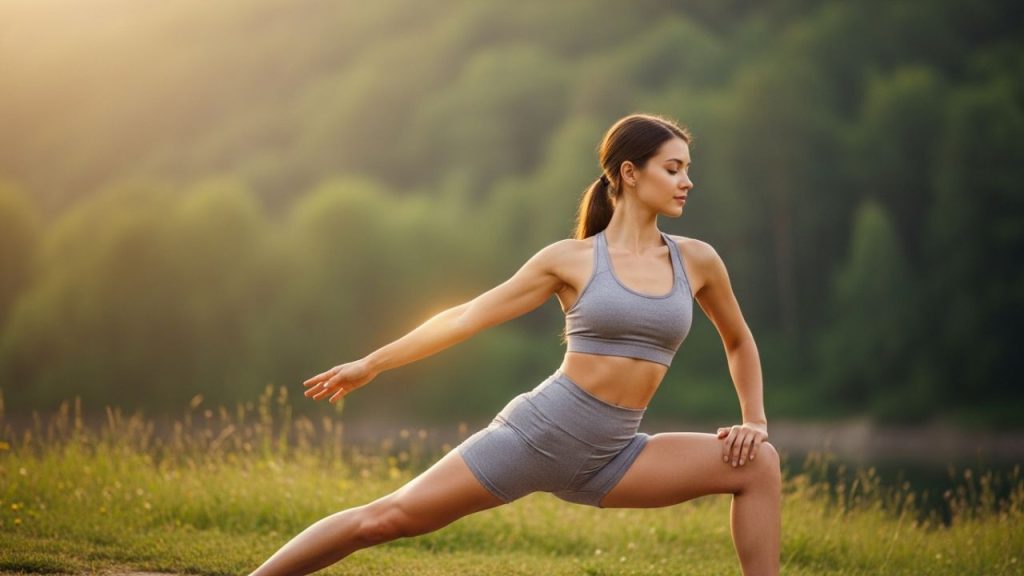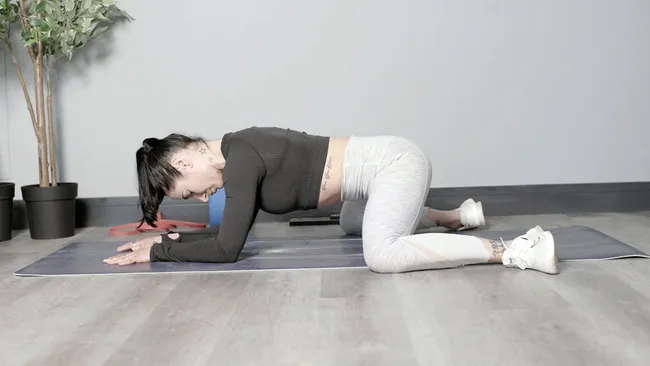
Tight groin and hip muscles often play a bigger role in back pain than most people realize. When the hips, glutes, and hamstrings become stiff, the lower back is forced to compensate for the lack of mobility. Over time, this extra strain can lead to discomfort, stiffness, and even chronic lower back pain.
Because of this, simply stretching the lumbar spine is rarely enough. A better approach is to focus on improving mobility in the surrounding muscles — especially the hips, glutes, and hamstrings — which support and stabilize the lower back.
The Yoga Pose That Targets Deep Hip Tension
Within the yoga world, there is one movement that is widely considered one of the most powerful exercises for releasing deep hip tension. That movement is frog pose.
 6 Spring Hair Colour Trends Set To Dominate Salons From Cashmere Sand Shades To Liquid Black
Although it may look unusual at first glance, frog pose is known for opening the hips, stretching the inner thighs, and relieving tightness in the groin area. Many people find the position uncomfortable initially, which is why it often gets a few groans when introduced in yoga classes or training sessions. However, the benefits for hip mobility and lower body flexibility make it incredibly effective.

For people experiencing tight hips, limited mobility, or even symptoms associated with sciatica, frog pose can be a valuable addition to a mobility routine.
Important Safety Advice Before Trying Frog Pose
Before attempting frog pose for the first time, it is always a good idea to check with a qualified medical professional if you have any injuries, health conditions, or are currently pregnant. What works well for one person may not be suitable for another.
The goal of frog pose is to create a deep stretch, but it should never cause sharp pain, pinching, or intense discomfort. If you experience any of these sensations, you should reduce the range of motion or stop the exercise.
How To Perform The Frog Pose Correctly
Follow these steps to safely move into the frog pose:
Start in a tabletop position with your hands directly under your shoulders and your knees under your hips.
Slowly shift your weight forward and gently slide your knees outward to the sides while keeping your lower legs on the floor.
Move your feet outward so they line up with your knees. The inner edges of your feet should remain in contact with the floor or mat.
Keep your hands on the floor and begin pushing your hips slowly backward toward your heels.
If your mobility allows, lower your forearms down to the mat and allow your neck and shoulders to relax.
Hold the position while breathing steadily.
 Skip Vinegar and Baking Soda This Everyday Kitchen Ingredient Clears Stubborn Drain Clogs Instantly
The stretch can feel intense at first, but the goal is to relax into the position rather than forcing it. If the stretch feels too strong, bring your knees or ankles slightly closer together to reduce the pressure.
Frog Pose Variations To Improve Mobility
Once you feel comfortable holding the basic frog pose, you can explore a few variations that add additional movement and flexibility work to the exercise.
Backbend Frog Variation
In this variation, instead of lowering onto your elbows, stay supported on your hands and gently lean your torso slightly backward. This adjustment introduces a mild backbend while maintaining the hip stretch.
The backbend frog can intensify the stretch across the hips and lower back, so only move to a position that feels manageable. Aim to hold the position for around 30 seconds while maintaining steady breathing.
Dynamic Frog Movement
Dynamic frog turns the static stretch into a controlled mobility exercise.
From the frog pose position, slowly move your hips forward and backward in a gentle rocking motion. This movement introduces controlled mobility into the pelvis and hips.
As you shift backward, exhale and move toward the end of your comfortable range. When you shift forward, inhale and allow the hips to move in the opposite direction.
Avoid pushing too far, as excessive range can create discomfort.
Cat Cow Frog Variation
The final variation combines frog pose with the classic cat-cow movement used in yoga to mobilize the spine.
While holding frog pose, begin alternating between arching and rounding your back. This adds gentle spinal movement while maintaining the hip stretch.
Cat-cow frog helps mobilize the spine, stretch the front and back of the body, and improve coordination between the hips and lower back.
 Eclipse of the Century: Six Minutes of Darkness Revealed With Best Global Locations to Watch
Together, these frog pose variations can significantly improve hip flexibility, reduce tightness in the groin, and support healthier movement throughout the lower body.