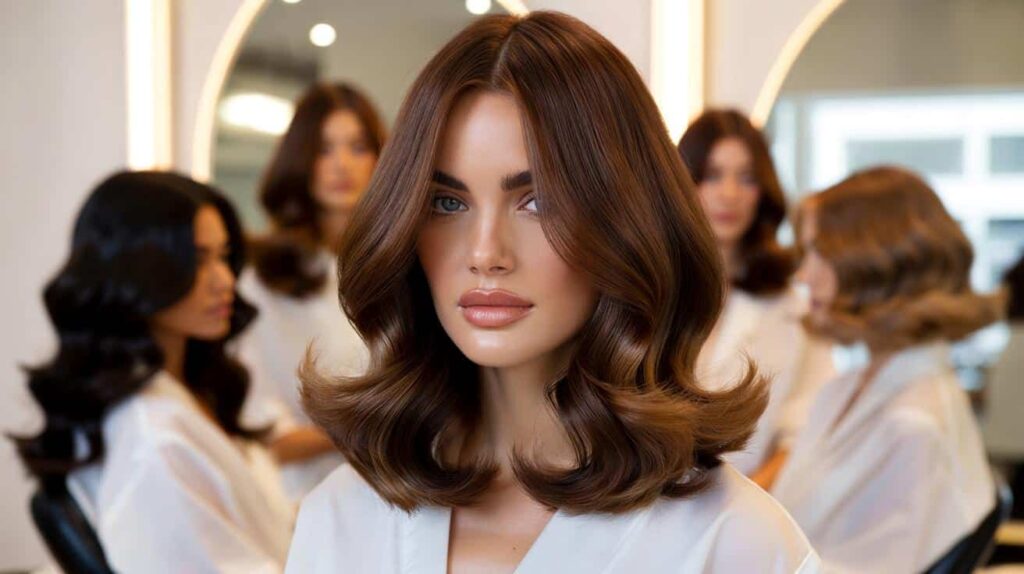
Saturday afternoon, the salon is buzzing. Foils sparkle under neon lights while blow dryers hum in the background. One client scrolls through Instagram, pausing on photo after photo of soft brunette waves. Nearby, a stylist rinses a client’s roots and laughs, saying, “Forget bronde. Everyone wants chocolate now.” The shift is obvious. The era of in-between blonde tones is fading, replaced by rich, glossy browns that resemble melted ganache, espresso foam, and silky cocoa.
Screens everywhere glow with mocha manes, cinnamon-tinted bobs, and nearly black curls that reflect light like polished lacquer. The look feels luxurious and healthy, effortless even when it takes work to achieve. After years dominated by balayage and sun-kissed highlights, chocolate hair feels like a calm reset.
Why Chocolate Hair Is Dominating 2026
Step into any modern salon in 2026 and listen closely. The same request keeps appearing in conversations with stylists: “I want a rich brown, something like chocolate.” Colorists now bring out chocolate shade charts just like they once presented blonde swatches back in the late 2010s. Warm truffle, milky cappuccino, dark cocoa, iced mocha — the shade names sound closer to desserts than hair color formulas.
The shift is not just about fashion. Many people have grown tired of over-processed hair that constantly looks damaged or halfway through a color appointment. Chocolate tones bring a softer, shinier, more natural appearance that feels healthier overall.
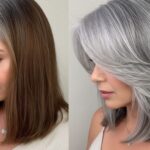
One London colorist shared an interesting observation from her booking records. In 2022, about 70 percent of her clients were choosing blonde or bronde transformations. By early 2026, more than 60 percent of those requests have shifted toward deeper browns and “expensive brunette” tones.
Clients now arrive with reference photos of actresses on red carpets, French influencers walking through winter streets in wool coats, and K-pop idols with ultra-glossy mocha hair.
A 32-year-old client recently switched from years of balayage to a cool hazelnut brunette with subtle caramel ribbons. Looking at her new color, she smiled and said, “It finally feels like my hair again.” The shine alone told the story.
There are practical reasons for this change too. Brown hair is more forgiving on damaged lengths, reflects light beautifully, and grows out in a softer way. Roots blend more naturally, toner appointments are less frequent, and the overall look fits everyday life much better.
Stylists also acknowledge something interesting: brunettes often appear more luxurious in photos. Modern phone cameras enhance contrast and depth, and glossy brown tones photograph extremely well. Social media algorithms naturally push these rich shades forward, which means people are constantly seeing them in their feeds.
The Most Beautiful Chocolate Shades to Ask For
The first step is simple: stop asking for just “brown.” When you sit in the salon chair, describe the tone using chocolate language.
Ask for a “glazed dark chocolate” shade if you want deep color with mirror-like shine. If you prefer something lighter and softer, request “milk chocolate with cinnamon highlights” to brighten the face.
Warm skin undertones often pair beautifully with praline brown, golden mocha, or chestnut chocolate. Cooler undertones tend to work better with iced cocoa, ash mocha, or bittersweet chocolate shades.
Bring only three or four inspiration photos to your appointment rather than a large collection. Focus on explaining what you like about each one — maybe the depth at the roots, the warmth of the tone, or the placement of lighter strands around the face. Your stylist will translate these visual cues into the final formula.
Many salon disappointments come from unclear descriptions. Someone might arrive with photos of ten different brunette celebrities but struggle to explain exactly what they want. The result sometimes feels too red, too dark, or too flat.
Instead of saying “I don’t want red,” try saying “I prefer a neutral to cool chocolate tone.” If you want dimension, describe it as “soft velvet chocolate with subtle light pieces near the front.”
Those small details help your colorist adjust the mixture — adding ash to cool down warmth, introducing a hint of copper for cinnamon tones, or finishing with gloss for extra shine.
Lighting also plays a huge role. Many reference photos are taken under studio lighting with filters. Real life lighting is different, so aim for a shade that still looks beautiful on a regular day.
One Parisian colorist explained it perfectly: the best color is the one that still looks great when you are rushing to work with your hair tied up.

For your next appointment, keep these points in mind:
Choose your chocolate family: dark cocoa, milk chocolate, mocha, or hazelnut.
Decide your finish: glossy and uniform or chocolate with soft highlights.
Mention your maintenance level: frequent touch-ups or low-maintenance color.
Explain your styling routine: air-dried, heat-styled, or curly routines.
Ask for a gloss treatment at the end for extra shine.
How to Maintain Rich Chocolate Hair
Chocolate shades are beautiful, but they need proper care to stay rich and vibrant. Without the right routine, a deep truffle tone can slowly fade into a dull or brassy brown.
Treat your hair gently. Use sulfate-free shampoos, wash with lukewarm water, and avoid harsh scrubbing. Think of maintaining hair color the same way you protect a delicate fabric or leather accessory.
Ask your stylist about the undertone used in your color formula. If your shade is cooler, violet or blue-based shampoos can help maintain the tone. For warmer or neutral chocolates, soft gloss treatments keep the shade balanced and shiny.
Sometimes the biggest mistake happens when people panic after noticing fading color. They rush to buy box dye and attempt a late-night fix at home.
In reality, a simple demi-permanent gloss every six to eight weeks is usually enough to refresh the tone.
Common causes of fading include washing hair too frequently, using extremely hot water, styling with heat tools without protection, and prolonged sun exposure. Even everyday sun exposure can gradually lighten brown tones.
One colorist summarized the maintenance rule perfectly: gentle care keeps chocolate shades vibrant for much longer.
Here is a simple routine that works for most people:
Wash your hair two or three times per week.
Always apply heat protectant before styling tools.
Schedule gloss treatments between major color sessions.
Protect your hair from long sun exposure with hats or scarves.
Use silk or satin pillowcases to maintain shine overnight.
Choosing Chocolate Hair as a Lifestyle Shift
The chocolate hair trend reflects more than just a color preference. It represents a change in attitude toward beauty routines. Many people are stepping away from constant bleaching cycles and high-maintenance highlights.
Going brunette often feels like choosing depth and simplicity over constant transformation.
Some people notice unexpected benefits too. Darker shades can enhance natural brows, complement richer clothing colors, and bring balance back to facial features.
 UK Ends Retirement at 67 Historic Shakeup Changes Pension Age and Sparks Nationwide Debate
For many, chocolate hair brings back the familiar look they once had years ago — only now paired with better skin care, stronger confidence, and a more refined sense of personal style.

| Key point | Detail | Value for the reader |
|---|---|---|
| Choose your chocolate family | Dark cocoa, milk, mocha, hazelnut or praline tones adapted to your skin undertone | Arrive at the salon with clear, realistic expectations and fewer disappointments |
| Talk in tones, not just “brown” | Use words like cool, neutral, warm, glossy, soft lights, face-framing | Help your colorist create a custom shade that actually matches your references |
| Protect the color like fabric dye | Gentle washing, heat protection, gloss maintenance, sun awareness | Keep your chocolate shade rich and shiny for weeks instead of days |