For many women, having shiny, strong, and thick hair can sometimes feel like an impossible goal. However, the idea that hair thickness cannot be improved is not completely true. While genetics do play a role in how thick your hair naturally grows, there are several practical methods that can help improve hair health and make your hair appear fuller.
Some individuals naturally have fine hair, while others may notice thinning as they age or due to lifestyle factors. Regardless of the reason, there are several research-supported strategies that can help you improve hair density or at least make your hair appear thicker and more vibrant.
1. Use The Right Shampoo And Conditioner
There are countless shampoos and conditioners available, but choosing the right one can actually make a noticeable difference. Even though shampoo gets rinsed away quickly, its ingredients still influence how your hair behaves.
Products designed for volume can help give fine or flat hair more lift and body. Thickening shampoos and conditioners often include ingredients that coat or slightly expand each hair strand, which helps hair appear fuller.
 Viral climate map identifies regions considered most suitable for long-term human survival worldwide
If you notice more hair falling out than usual — such as large amounts in the shower or on your brush — you might benefit from shampoos specifically created to reduce hair shedding.
It’s also important to choose products that match your hair type. For example, people with sensitive scalps may want to avoid harsh ingredients like sulfates, which can sometimes lead to irritation or dryness.
2. Handle Your Hair With Care
Hair that is damaged tends to break easily, and frequent breakage can make hair appear thinner over time. Treating your hair gently can help preserve its strength and reduce unnecessary loss.
Try limiting activities that can weaken your hair, such as:
Bleaching or frequent coloring
Heat styling tools like blow dryers, straighteners, and curling irons
Brushing excessively or brushing while hair is wet
Very tight hairstyles like ponytails, buns, or braids
Strong hold styling sprays and gels
Rubbing hair aggressively with a towel
If you regularly use heat styling tools, applying a heat protectant product beforehand can help reduce damage.
A gentler hair care routine helps minimize split ends, breakage, and dullness, allowing your hair to remain stronger and healthier.
3. Maintain A Healthy Scalp
Healthy hair begins at the scalp. Keeping your scalp clean and balanced can support stronger hair growth.
Wash your hair regularly, but not excessively. Washing too often can strip away natural oils and leave hair dry. On the other hand, washing too rarely can allow oil and product buildup to accumulate.
Dermatologists generally suggest washing your hair when it becomes oily or visibly dirty. For some people this may mean daily washing, while others may only need to wash their hair two or three times a week.
Using too much dry shampoo can also lead to buildup on the scalp, which may cause irritation. Try to use it only occasionally.
If you struggle with dandruff or scalp irritation, medicated shampoos can help manage the condition and reduce itching. Frequent scratching can damage hair and contribute to breakage.
Scalp massages may also help. Although research is limited, a small study in 2016 found that participants who performed daily scalp massages experienced an increase in hair thickness after several months.
Even if results vary, scalp massages can improve blood circulation and provide relaxation.
4. Keep Hair Hydrated And Moisturized
Hydration plays an important role in maintaining strong and flexible hair strands. Drinking enough water throughout the day helps prevent dryness that can weaken both skin and hair.
When hair loses moisture, it can become dull, brittle, and more likely to break. Maintaining proper hydration helps keep hair smoother and stronger.
You can also support moisture levels by using leave-in conditioners occasionally or applying a deep conditioning hair mask once a week.
Hair masks often contain beneficial ingredients such as natural oils, plant extracts, peptides, or nourishing compounds that help repair damage, reduce frizz, and protect against breakage.
5. Focus On A Balanced Diet
Your diet has a significant influence on hair growth and overall hair health. If your body lacks important nutrients, hair thinning or shedding may occur.
Certain nutrients are particularly important for healthy hair growth, including:
Iron
Zinc
 UK clocks changing earlier in 2026 may reshape evening daylight patterns for millions of households
Omega-3 fatty acids
Protein
B vitamins such as biotin and folate
Vitamin D
Eating a balanced diet that includes fruits, vegetables, whole grains, and lean proteins can help prevent deficiencies and support stronger hair growth.
6. Consider Nutritional Supplements
If a nutritional deficiency is present, supplements may help improve hair thickness and reduce hair shedding.
Biotin is one of the most commonly discussed supplements for hair health. It plays a role in producing keratin, the protein that forms the structure of hair strands.
While biotin deficiency is uncommon in people with balanced diets, supplementation may help those who are deficient.
Healthcare professionals may also recommend other supplements such as vitamin D, iron, or folic acid depending on individual needs.
Saw palmetto is another supplement that has gained attention. Some research suggests it may improve hair density, hair count, and overall hair quality.
7. Manage Stress Levels
High levels of stress can trigger a type of hair shedding known as telogen effluvium. This condition occurs when stressful events push hair follicles from the growth phase into a resting phase.
As a result, increased shedding can occur a few months after the stressful event.
Reducing stress through healthy coping strategies can help prevent this type of hair loss. Activities such as exercise, meditation, relaxation techniques, or speaking with a mental health professional may help you manage stress more effectively.
8. Try Different Hairstyles
Certain hairstyles can instantly create the illusion of thicker hair. Professional stylists often recommend cuts and styling techniques that add volume and movement.
Hair extensions, wigs, or weaves can temporarily increase fullness and body. However, it’s important to ensure these methods do not damage your natural hair.
Even simple changes such as switching your hair part or opting for shorter layered cuts like a bob can make hair appear much fuller.
Regular trims are also important because they remove split ends and prevent damage from traveling up the hair shaft.
9. Explore Red Light Therapy
Red light therapy devices such as combs, helmets, and caps are becoming more popular for hair growth treatment.
Although research is still developing, several studies have shown encouraging results.
A 2020 randomized controlled trial involving individuals with pattern hair loss found that participants who used red light therapy devices for several weeks experienced noticeable improvements in hair density and thickness compared to those using placebo devices.
A later review of multiple clinical trials also reported significant improvements in hair growth among users of FDA-approved red light therapy devices.
10. Consider Medical Hair Loss Treatments
If hair thinning becomes significant, medical treatments may help slow hair loss and stimulate new growth.
Topical minoxidil, widely known by the brand name Rogaine®, is available without a prescription and can improve hair density by increasing blood flow to hair follicles.
Another option is low-dose oral minoxidil, which doctors sometimes prescribe as an alternative for individuals who prefer not to apply topical treatments.
Spironolactone is another medication that reduces the effects of androgens — hormones that can cause hair follicles to produce thinner strands. It is often prescribed for female pattern hair loss.
Finasteride is also used to block the hormone responsible for follicle shrinkage. While primarily approved for male hair loss, doctors may prescribe it off-label for certain women, particularly after menopause.
Final Thoughts On Making Hair Thicker
Achieving thicker hair usually requires patience and consistent care. While some solutions provide quick cosmetic improvements, many methods take several months before visible results appear.
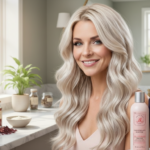
Using the right hair care products, protecting hair from damage, maintaining a balanced diet, managing stress, and exploring treatment options can all contribute to healthier, fuller-looking hair over time.