Flexibility is something many people only think about when their body starts feeling tight or stiff. You might notice it when bending down to tie your shoes, reaching overhead, or after sitting at a desk for hours. The encouraging part is that improving flexibility does not require complex routines or long workout sessions. A few well-chosen yoga poses, practiced regularly and with patience, can gradually make the body feel lighter and more mobile. The secret is to move slowly, breathe calmly, and avoid pushing your body into discomfort. Below are five effective yoga poses that can help improve flexibility quickly and safely when practiced correctly.
Downward Facing Dog
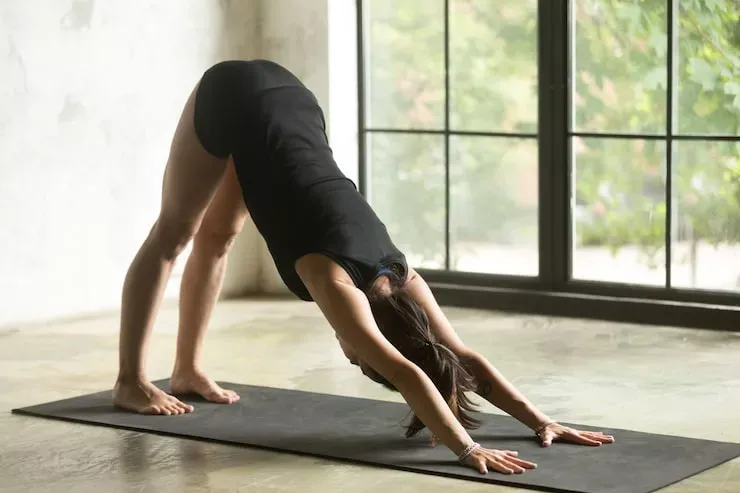
Downward Facing Dog is one of the most well-known yoga poses because it stretches multiple areas of the body at the same time. This posture works on the hamstrings, calves, shoulders, and spine all in a single movement. Beginners may initially feel a strong stretch, but the body adapts with practice.
Begin on your hands and knees with your palms firmly placed on the floor. Spread your fingers wide to create a strong base. Slowly lift your knees off the ground and extend your legs while pushing your hips upward. Your body should resemble an inverted V shape. If your heels cannot reach the floor, there is no need to worry. Slightly bending the knees can reduce strain if the hamstrings feel tight.

Stay in the pose for about 20 to 40 seconds while breathing slowly and deeply. With regular practice, this posture improves leg flexibility and shoulder mobility. It also gently lengthens the spine, which can feel especially relieving after long periods of sitting.
 6 simple yoga poses designed to boost energy sharpen focus and improve mental clarity daily
Standing Forward Fold
Standing Forward Fold may appear simple, but it provides a deep stretch for the hamstrings and lower back. The most common mistake people make is trying to force themselves downward. Instead, this pose is meant to encourage relaxation and gentle release.
Stand upright with your feet about hip-width apart. Take a deep inhale, and as you exhale, hinge forward from your hips and allow your upper body to fold down naturally. Let your head relax toward the floor. If your hands cannot reach the ground, place them comfortably on your shins or ankles. Keep a slight bend in your knees to reduce pressure on the lower back.
Remain in this position for around 30 seconds while breathing slowly. Over time, the hamstrings gradually loosen and the spine feels more elongated. This posture also has a calming effect on the nervous system, which allows muscles to release tension more effectively.
Low Lunge
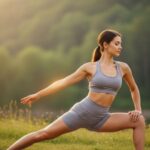
Tight hips are very common today, especially for people who spend many hours sitting. Low Lunge is an excellent pose for stretching the hip flexors and quadriceps, which often become shortened from prolonged sitting.
Start in a lunge position with your right foot placed forward and your left knee resting on the floor. Ensure that your front knee stays aligned directly above your ankle. Slowly press your hips forward while keeping your chest lifted and open. Your hands can rest on your front thigh, or you can raise them overhead if you feel balanced and comfortable.
Hold the stretch for 20 to 30 seconds and then repeat on the other side. You should feel a noticeable stretch in the front of the back leg. Keep the sensation gentle rather than intense. Practicing this pose regularly can improve hip flexibility and support better posture.
Seated Forward Bend
Seated Forward Bend is another effective stretch that targets the entire backside of the body. It works mainly on the hamstrings, calves, and lower back while also encouraging controlled breathing and relaxation.

Sit on the floor with both legs extended straight in front of you. Lightly flex your feet. Inhale to lengthen your spine upward, and as you exhale, fold forward from the hips. Reach toward your feet, ankles, or shins depending on your level of flexibility.
Try to maintain a long spine instead of collapsing the upper back. Stay in the stretch for 30 seconds to one minute. With every exhale, allow the body to relax deeper into the position. Practicing this pose consistently helps reduce stiffness and gradually improves lower-body flexibility.
Cobra Pose
Cobra Pose is a gentle backbend that opens the chest and stretches the shoulders and abdominal muscles. It also improves the flexibility of the spine, making it particularly beneficial for people who spend long hours looking at screens.
Lie face down on the floor with your legs extended behind you. Position your palms under your shoulders. Slowly press into your hands and lift your chest upward. Keep your elbows slightly bent and relax your shoulders away from your ears. Your hips and lower body should remain in contact with the floor.
Hold this position for 15 to 30 seconds while breathing steadily. Cobra Pose strengthens the muscles along the spine while increasing flexibility in the back. If you feel pressure in your lower back, ease the lift slightly and engage your core gently.
How to Practice Safely for Faster Results
Improving flexibility does not mean pushing the body to its limits every day. In fact, overstretching can lead to injuries and delay progress. It is always helpful to warm up the body before deeper stretches. Simple movements such as walking or gentle joint rotations for a few minutes can prepare the muscles effectively.
Consistency is far more important than intensity. Practicing these five poses four to five times per week will produce better results than doing a long session only occasionally. Focus on steady breathing and allow your body to gradually relax into each stretch.
Pay attention to how your body feels. Some days flexibility will feel greater, while other days may feel tighter. This variation is completely normal. With regular practice over a few weeks, you will begin to notice meaningful improvements.

Yoga is not about forcing yourself to reach your toes. It is about creating comfort, balance, and space within your body. By practicing these five poses regularly, you can safely improve flexibility while also building strength and body awareness. Stay patient, keep the routine simple, and your body will gradually respond.