If you’re a normal user, you don’t need to think too much about this: doing a 1-minute plank every day will greatly improve your core strength posture and stability in 2 to 4 weeks, as long as you keep your form and consistency. This exercise isn’t about getting a six-pack or losing a lot of weight; it’s about building the strength you need to do everyday things.
As people’s schedules get busier and more people realise that short high-impact workouts can be effective, more people have started doing micro-workouts like the daily plank. It’s not about spending more time at the gym; it’s about making movement a bigger part of your daily life.
How to Do the 1-Minute Daily Plank
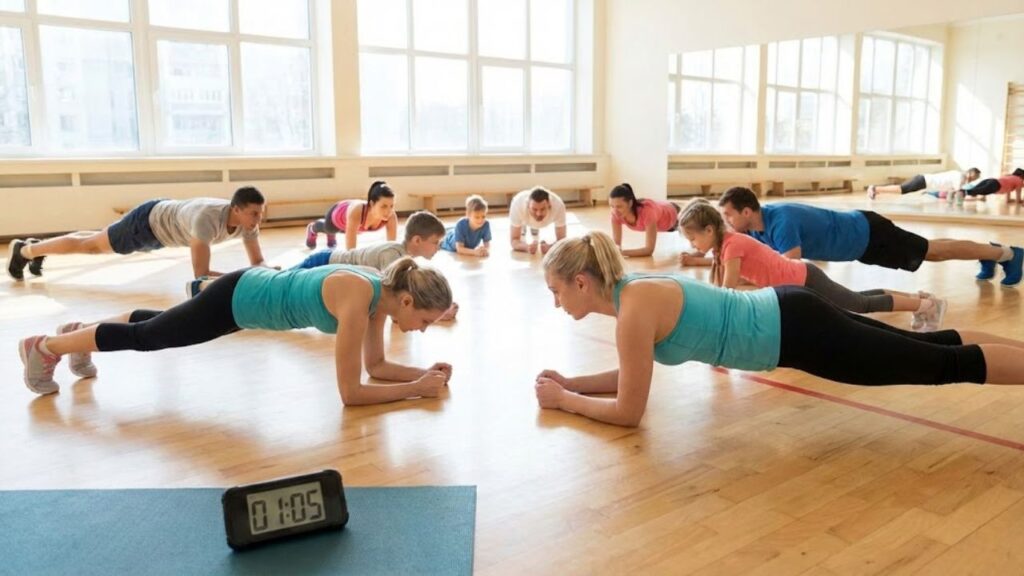
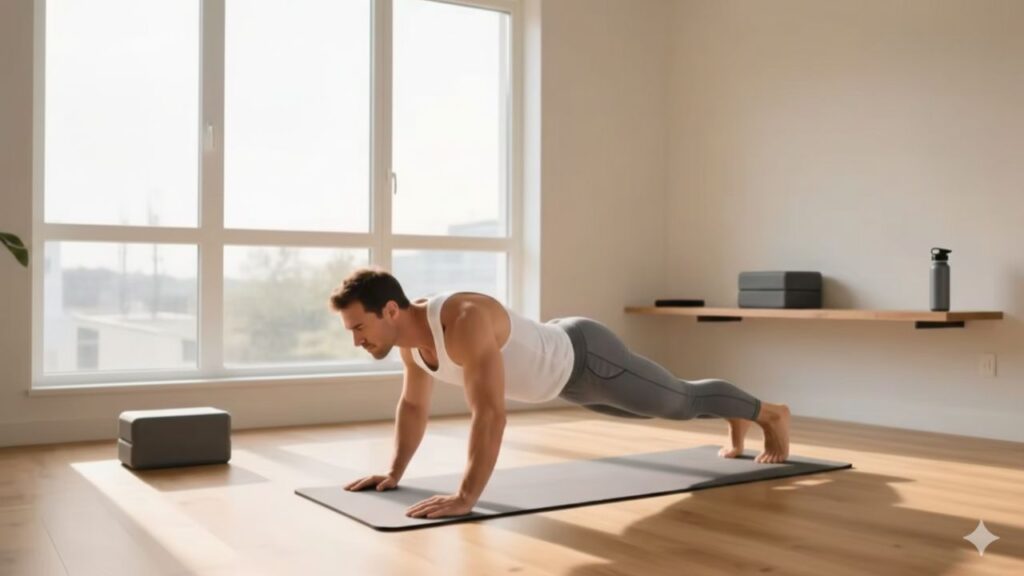
The 1-minute plank is an easy core workout that you do every day by holding a push-up position on your forearms and toes for 60 seconds. It works your lower back glutes, shoulders, transverse abdominis, rectus abdominis, and obliques. This exercise doesn’t need any equipment and doesn’t take much time, so it’s good for adults of all fitness levels.
 Goodbye to the angled bob : the “anti-ageing” cut that restores volume to thinning hair after 55
Why the 1-Minute Daily Plank Is Getting More and More Popular
Due to more time spent sitting and on screens, many people are looking for quick and easy ways to fix bad posture and weak muscles without having to go to the gym for long periods of time. The 1-minute plank is the perfect answer to this problem. People who are busy and want quick meaningful results like how simple and effective it is.

The 1-Minute Daily Plank Has These Important Benefits
- Low Barrier to Entry: You don’t need any equipment, a gym membership, or to learn anything new.
- Immediate Feedback You can feel your muscles working almost right away.
- Measurable Consistency Practicing for just one minute every day is enough to make it a habit.
Plank variations that work for you
There are many different types of planks, and each one has its own set of benefits. Pick the one that works best for you:
| Plank Type | Best For | Possible Problems |
|---|---|---|
| Forearm Plank (Standard) | Shoulder stability and core endurance | Wrist strain if form breaks down |
| Modified Knee Plank | Beginners joint sensitivity | Less activation of the core |
| High Plank (Hands) | Integrating the upper body | More weight on the wrist |
| Plank on the Side | Oblique focus and lateral stability | Balance challenge harder to time |
When to Pay Attention to Your Form
To see if your plank routine is working, keep an eye on the following:
- Quality of Form: Are you able to keep a straight line from your head to your heels?
- Are your abs glutes and shoulders working?
- Consistency Are you able to hold for the full 60 seconds every time?
- After working out, do your muscles feel tired, but not your joints?
Visible changes, like tighter abs may take 6 to 8 weeks, but functional improvements like standing taller and moving more easily, often happen sooner.
A Full Guide to How Long It Takes to Walk a Mile
The Good and Bad Things About the 1-Minute Plank
The 1-minute plank like any other exercise, has its pros and cons:
Pros
- Strengthens the core and supports the spine
- Improves body awareness and posture
- Doesn’t need any tools or space
- Daily discipline builds mental strength.
- Can be done at any time of day, like morning, noon, or night.
- Burns a small number of calories (about 2–5 per minute)
- No benefit to the heart
- There is a risk of strain if the form is wrong.
- Not enough for full-body fitness
How to Pick Your Plank Routine
Follow these steps to make a 1-minute plank habit that will last:
- Check your readiness: Can you hold a modified plank for 30 seconds without any pain?
- Choose a time: morning to set the mood or evening to let go of stress.
- Start changed if necessary: Use the knee plank version to boost your confidence.
- Pay attention to form: Make sure your elbows are under your shoulders and your body stays straight.
- Move forward slowly: Every week, add 10 seconds until you reach 60 seconds.
- Pair with movement: Do it while walking, stretching, or doing light resistance work.
How the 1-Minute Plank Compares to Other Exercises That Save Time
The 1-minute plank is a good addition to other short workouts This is how it stacks up:

Guide to the World Record for the 1 Mile Run: Quickest Times and Important Information
| Exercise | Strengths and Limits |
|---|---|
| Daily Plank for One Minute | Core strength posture and discipline Low metabolic demand |
| Five Minutes of Stretching Every Day | Relaxation joint health and flexibility Little gain in strength |
| 10 squats every hour | to build leg strength and improve circulation More difficult to remember |
| 2-Minute Wall Sit | Strengthens your quads and mental toughness A lot of pain not much carryover |
What Customers Are Saying
Good Feedback
“I stand up straighter now; I don’t slouch as much at my desk.”
“It only takes a minute.” I can’t say “no time” as an excuse anymore.
“My lower back feels supported when I do everyday things.”
Things People Often Complain About
“My wrists hurt after a few days, so I switched to fists or forearms.”
“I thought I’d see abs after two weeks, but nothing changed.”
“Most days I forgot, but tracking my habits helped.”
 The Ordinary serum called filler in a bottle gives skin smoother youthful appearance in your 40s
Conclusion: Who Should Give It a Shot and Why
The 1-minute daily plank is great for anyone who wants to improve their posture, strengthen their core, and get more exercise into their busy lives. It won’t replace full-body workouts or changes to your diet, but it is a great place to start making more progress. If you’re a normal user, start with 30 seconds, pay attention to your form, and slowly increase the time. The best results will come from being consistent and moving around every day in a balanced way.