I first noticed that my lashes were getting thinner on a normal morning I stood by the window with my coffee and watched the city wake up. I noticed that my eyes looked different when I looked in the mirror. They didn’t seem as clear or expressive as they used to. My eyebrows had also changed. They used to be thick and full of hair, but now they have small gaps where hair used to be. The change was small, not big. At first, you miss it, but then you realise something is wrong.
The Kind Way to Bring Your Lashes and Brows Back to Life
You may have noticed that your mascara doesn’t cover as many lashes or that your brow pencil has trouble filling in gaps. Like a thin border around a painting, lashes and brows frame the face. They might not tell us who we are, but they do affect how our features fit together. When they start to thin, it’s not about being vain; it’s a small loss for them. Touching your own face on purpose, like tracing your finger along your brow line or lash base, is a very personal thing. A small bottle of almond oil feels almost old-fashioned in a world where quick fixes are the norm. It feels like an heirloom next to your grandmother’s jewellery and handkerchiefs. There is a gentle strength in that pale golden liquid that nourishes and protects, and it comes from a long-standing ritual of care. Almond oil doesn’t promise results right away. It won’t make your lashes longer overnight or your brows fuller in a week. It does offer slow, subtle support: over time, it will moisturise, protect, and make your lashes and brows look fuller and softer. Think of it as a nightly ritual—a time to stop, reconnect, and take care of yourself.
How Almond Oil Helps Your Eyelashes and Eyebrows Stay Healthy
It’s helpful to know what almond oil can do before you start. Keratin makes up most of each lash and brow, and they grow from follicles that need food and a healthy environment. Almond oil can’t make new hair follicles, but it can help the ones you already have stay healthy. Vitamin E and fatty acids like oleic and linoleic acid are found in sweet almond oil, which is often used in beauty products. These nutrients help keep moisture in, which keeps delicate hairs from breaking and becoming brittle.

Vitamin E protects the delicate skin around your eyes from things like pollution and sun exposure that can cause stress. Almond oil protects hair and follicles, which helps lashes and brows stay strong. Over time, less breakage can make them look fuller and more even. How you put the oil on is also important. For example, gently massaging it along the lash line and brows can help blood flow, which brings more nutrients and oxygen to the follicles. This doesn’t guarantee that your hair will grow back a lot, but it does give it a gentle boost and set up a calming, helpful routine.

How to Pick the Best Almond Oil for Your Eyes
Quality is important when choosing almond oil, especially around your eyes. To keep its natural benefits and limit the number of additives, look for cold-pressed, unrefined, or virgin sweet almond oil. Almond oil of good quality should smell nutty and light and feel smooth and not sticky. If you are allergic to nuts, stay away from almond oil and talk to a dermatologist about other options like castor oil or squalane.
How to Make a Nightly Lash and Brow Routine
Step 1: Get your canvas ready
Your face should be clean and free of makeup. If you have mascara, brow pomade, or liner on your lashes or brows, the oil may not be able to get to them. Use a mild cleanser or a gentle, oil-free remover. Without rubbing or pulling, rinse and pat dry with a soft towel.
Step 2: Put oil on your lashes safely
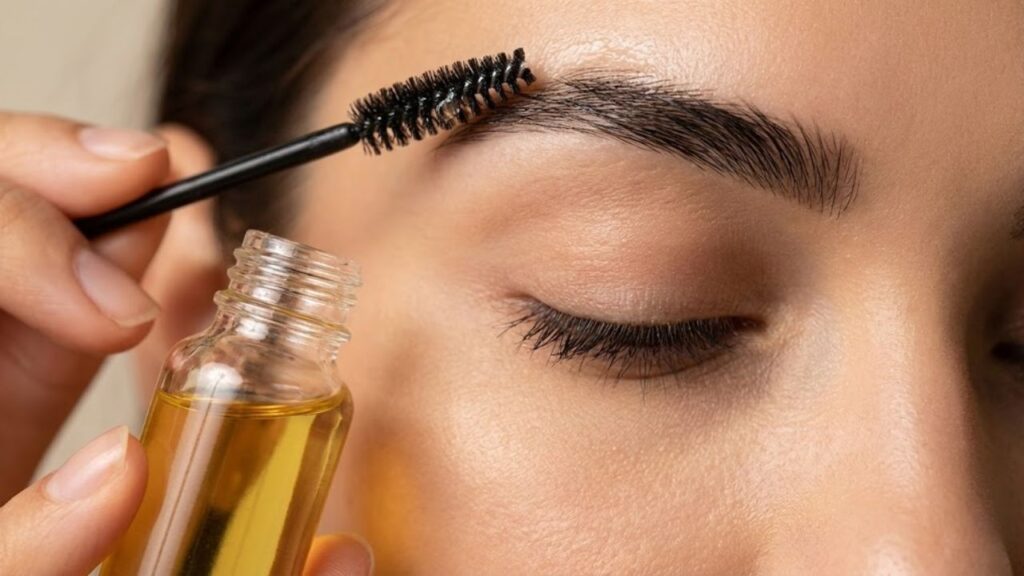
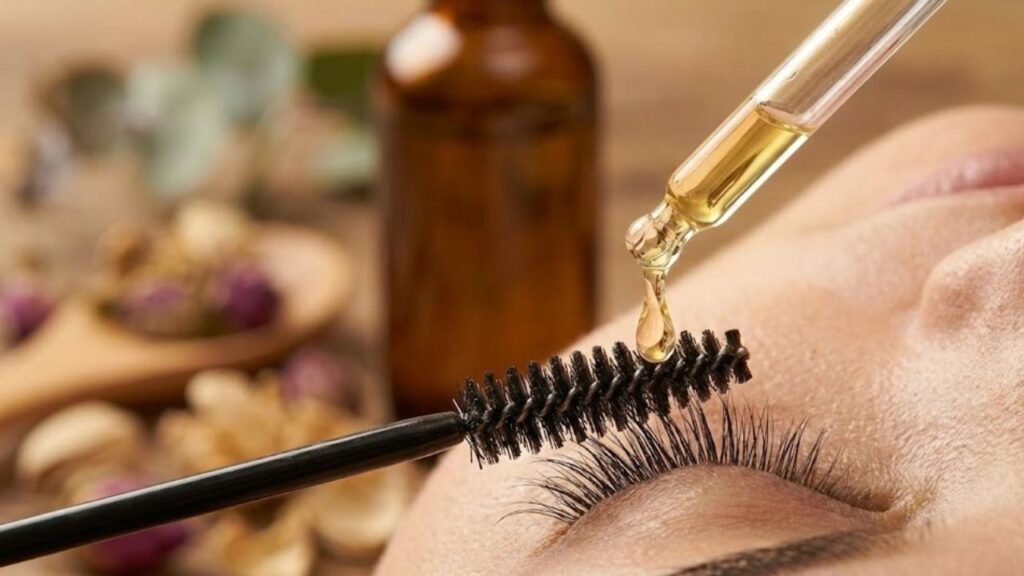
Use only a small amount of oil. A clean mascara wand, spoolie, or thin eyeliner brush is best. Just dip the tool in the oil lightly so that it is covered. Close one eye and gently brush along the lash line from the outer corner to the inner corner, paying more attention to the base than the waterline. If you don’t want to drip, don’t use too much oil. If you get a little bit of something in your eye, it’s usually not a big deal. But if it hurts, rinse it out with warm water.
Step 3: Take care of your brows
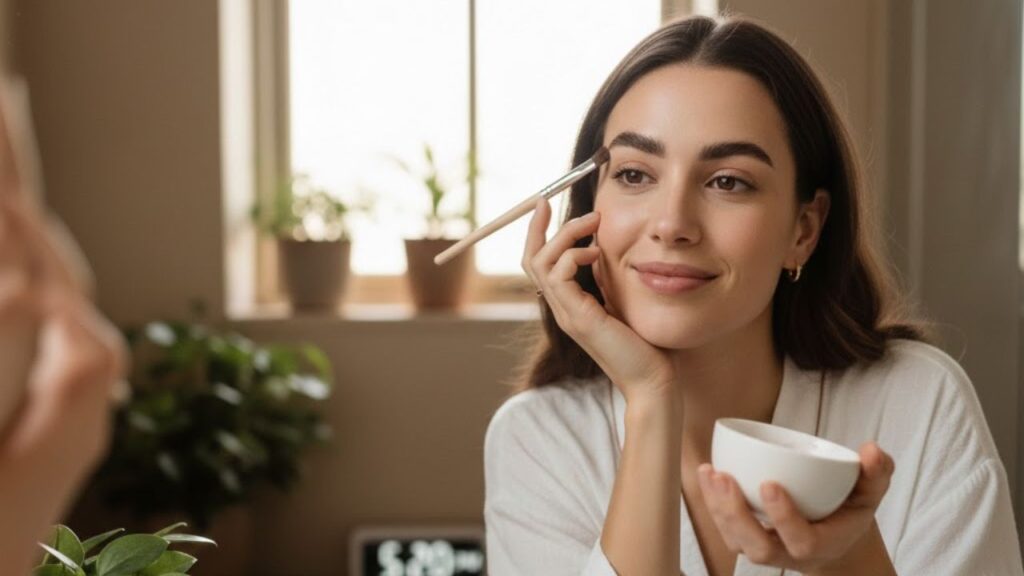
Eyebrows are less sensitive than lashes, but they still need to be treated with care. For both brows, use a clean spoolie or your ring finger with one or two drops of oil. Use small circular motions to massage the oil into the skin underneath, following the natural direction of hair growth. Over time, hydrated skin makes it easier for brow hairs to grow healthier and softer.
 Goodbye Hair Dye for Grey Hair: What to Add to Your Conditioner for Natural Colour Revival
Step 4: Be patient and pick the right time.
Being consistent is very important. Use almond oil 4 to 6 times a week for at least 6 to 8 weeks. Some people see small changes in softness and less shedding in three to four weeks, while others may need up to three months to see any changes. If you need to, stop using the product to avoid irritation. Be gentle with your lashes and brows, and don’t use harsh treatments or pluck too much.
Expected Results: Changes in Texture, Timeline, and Other Small Things
It takes time for almond oil to work. Changes are often felt before they are seen. For example, lashes may become stronger and break less, making it easier to put on mascara. Brows may also feel softer and look a little fuller in areas where they are thin. Results come over time, focusing on hair that is healthy and well-nourished instead of a dramatic change overnight.
Time Period: Changes You Might See
| Time Period | Changes You Might See |
|---|---|
| Weeks 1 and 2 | Your lashes and brows may feel softer and have a slight natural shine. The skin around the eyebrows may look and feel more hydrated. |
| Weeks 3–4 | You can see less lash fallout, and your brows start to look neater and more balanced. Sparse areas may not be as easy to see. |
| Weeks 6–8 | The eye area may look fuller overall, with brows that are more consistent and dense, especially in areas that were weak before. |
| After three months | The best results can be seen: lashes look healthier and shinier, and brows get a naturally fuller, softer shape when you take good care of them. |
Mixing almond oil with other gentle ingredients
Almond oil works well with other mild oils, such as vitamin E or castor oil. Start with a little bit to see if your skin can handle the mixture. One common mix is one part castor oil to two parts sweet almond oil. The almond oil makes the mixture thinner so it’s easier to spread, and the castor oil adds health benefits. Keep blends in a clean container in a cool, dark place and use them up within a few months.
How to Use Almond Oil in Your Daily Life
After you wash your face at night, use almond oil. If you tend to get milia, stay away from the area under your eyes. If you’re using strong treatments like retinoids, don’t apply. If you’re using a lash serum, put it on first and let it dry before putting a thin layer of almond oil directly on the hairs.
Listening to Your Skin and Being Safe
Almond oil is usually safe, but you should always pay attention to how your skin reacts. Avoid putting the oil on places that are likely to get bumps or irritated. To keep your practice safe and effective, change how often you use it based on your comfort level and skincare routine.

Rethinking Beauty: Putting Care Before Correction
In a world of quick fixes using almond oil is a quiet, deliberate act. Every night, you can choose to care for your lashes and brows instead of fixing them by dipping a clean wand into golden oil and brushing it on. You might notice fuller lashes or softer brows over time, but the best part is the mindful, caring routine you make. Beauty is about loving and taking care of what you already have, which makes each night a small but important act of self-care.