
The first time you notice extra strands resting on your pillow or gathering in the shower drain, something subtle shifts inside you. You pause with damp fingers touching your scalp, wondering when your hair began feeling lighter and thinner. A quiet concern appears, one you rarely share with anyone else, yet it is difficult to ignore. You may blame stress, seasonal weather, a new shampoo, or tightly styled hair. These explanations often feel easier than acknowledging that deeper changes may be happening beneath the surface.
Natural Home Care Approaches
Sometimes the most supportive solutions begin with simple habits and gentle home care. Natural treatments do not promise overnight transformation, but they work gradually by helping the scalp regain balance and nourishment. With patience and consistency, these methods can support stronger roots and healthier strands over time.
Understanding the Signals Your Hair Sends
Hair quietly reflects daily life. It responds to long nights, missed meals, hurried routines, tight hairstyles, and harsh chemical products. It also mirrors hormonal changes, seasonal transitions, and the natural process of ageing. Often, before hair loss becomes noticeable, the body sends subtle signals asking for better nourishment, rest, and care. Instead of chasing quick solutions, many people are rediscovering slower, supportive remedies that work in harmony with the body.
Oil Rituals for Deep Root Nourishment
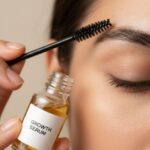
Oiling the hair has been practiced for generations as a calming and restorative ritual. Warm oil gently massaged into the scalp helps relax the mind while improving circulation. Coconut oil is known for reducing protein loss and protecting dry strands. Castor oil, thicker and richer, is commonly used in small amounts to support scalp hydration. Almond, sesame, and olive oils also provide nourishment. Many people prefer combining oils, creating a blend that supports both scalp health and hair strength.
 6 Eye Shadow Primers That Keep Makeup Smooth Vibrant and Crease-Free From Morning to Night
The Importance of Regular Scalp Massage
Massaging the scalp is just as valuable as the oil itself. Using fingertips in slow circular motions encourages better blood circulation, helping oxygen and nutrients reach the follicles. Starting from the hairline and moving toward the back of the scalp gently stimulates the skin beneath the hair. Even five to ten minutes of massage several times each week can help improve scalp vitality. Beyond the physical benefits, this small practice helps release stress, which can quietly influence hair fall.
Herbal Infused Oils for Extra Support
For those who enjoy deeper care rituals, oils can be infused with herbs at home. Ingredients such as rosemary, curry leaves, hibiscus flowers, and fenugreek seeds are often used. These herbs are gently warmed with oil and allowed to steep so their natural compounds blend into the mixture. Rosemary is often associated with improved circulation, while hibiscus and fenugreek help condition and strengthen hair. The process takes time, but the result is a personalised oil that feels both nourishing and grounding.
Simple Kitchen Remedies That Support Hair Health
Many supportive ingredients are already present in the kitchen. Yogurt, eggs, seeds, and aloe vera can contribute to scalp balance and hair strength. While these remedies do not provide instant results, they promote consistency and mindful care. Preparing them by hand reconnects hair care with simple self-care habits.
Fenugreek Seeds for Hair Strength
Fenugreek seeds are traditionally soaked overnight and blended into a smooth paste before applying to the scalp. These tiny seeds contain proteins and natural compounds that support hair resilience and texture. When used once or twice weekly for short periods, fenugreek masks may help reduce shedding while improving softness.
Aloe Vera for Scalp Balance
Aloe vera is valued for its cooling and soothing properties. Fresh aloe gel applied directly to the scalp can calm irritation, balance oil levels, and remove buildup that may block follicles. Leaving the gel on the scalp for twenty to thirty minutes provides gentle nourishment and encourages a healthier scalp environment.

Protein Masks from Everyday Foods
Hair exposed to heat, sun, and pollution often benefits from occasional protein reinforcement. Masks made from egg and plain yogurt temporarily strengthen the hair shaft, helping reduce breakage and improve smoothness. These masks are best applied to damp hair and rinsed with cool water.
The Deeper Connection Between Health and Hair
Hair health is closely connected with overall well-being. Nutrient deficiencies, ongoing stress, hormonal changes, and poor sleep often appear first through increased hair shedding. While topical treatments help support the scalp, internal nourishment remains essential. Balanced meals rich in protein, iron, zinc, and healthy fats provide the building blocks needed for strong hair growth.
The Role of Stress in Hair Loss
Extended periods of stress or illness can trigger delayed shedding, where hair enters a resting phase before falling months later. Gentle stress-management practices such as stretching, breathing exercises, quality sleep, and reduced screen exposure help the body restore balance. As stress levels stabilise, hair growth cycles often begin to recover gradually.
Daily Habits That Protect Hair
Small everyday choices strongly influence hair strength. Using mild shampoos, avoiding excessive washing, and focusing cleansing on the scalp help maintain natural oils. Conditioning the hair lengths reduces friction and dryness. Limiting heat styling, wearing loose hairstyles, and using smooth pillowcases can prevent unnecessary breakage.
Essential Nutrients That Support Hair Health
| Nutrient | Role in Hair Health | Common Daily Food Sources |
|---|---|---|
| Protein | Supports keratin production which gives hair its strength | Lentils, eggs, fish, paneer, tofu, nuts, seeds |
| Iron | Helps carry oxygen to hair follicles and supports growth cycles | Spinach, beetroot, kidney beans, lentils, pumpkin seeds |
| Biotin & B Vitamins | Assist energy production and follicle renewal | Whole grains, eggs, almonds, leafy vegetables |
| Omega-3 Fatty Acids | Maintain scalp moisture and reduce inflammation | Flaxseeds, chia seeds, walnuts, oily fish |
| Zinc & Selenium | Support tissue repair and protect hair follicles | Nuts, seeds, legumes, whole grains, dairy |
Gentle Detangling for Reduced Breakage
How hair is handled daily makes a significant difference. Detangling slowly from the ends upward with a wide-tooth comb helps minimise unnecessary hair loss. Applying a small amount of oil or leave-in conditioner reduces friction and protects fragile strands.
Building a Simple Weekly Hair Care Routine
A sustainable routine does not need to be complicated. Regular oil massage a few times each week, a nourishing hair mask once weekly, balanced nutrition, and stress-relief habits together support long-term hair strength. Over time, many people notice reduced shedding, smoother texture, and new growth.

Developing a Healthier Relationship with Hair Care
Natural remedies encourage patience and awareness rather than instant results. Each person’s hair responds differently, making observation important. By choosing gentle ingredients and mindful rituals, hair care becomes more than a routine. It becomes a quiet practice of self-care that supports both personal well-being and healthier hair from root to tip.
 Goodbye Hair Dye for Grey Hair: The Conditioner Mix That Restores Natural Colour Gradually