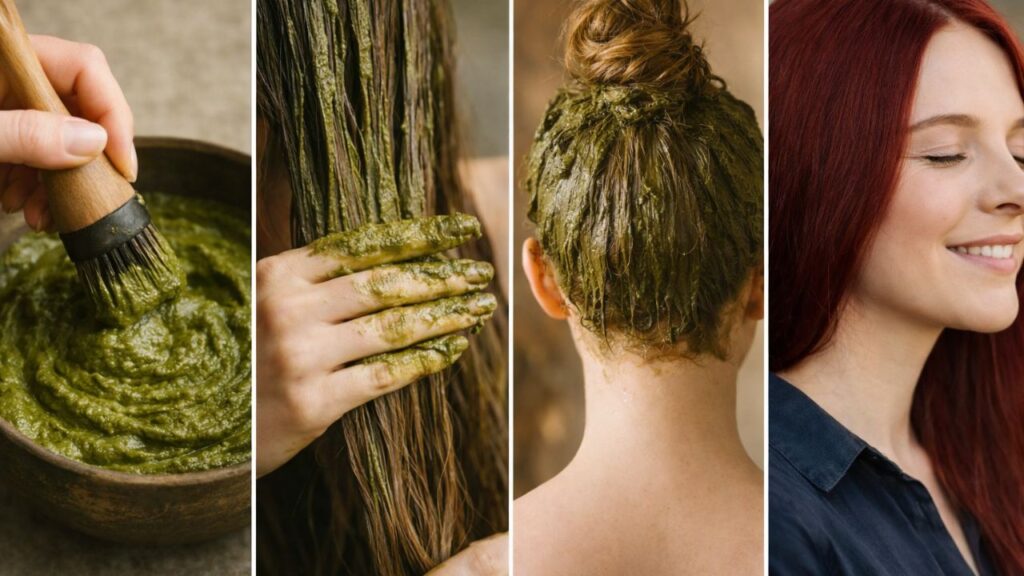
Henna based hair dye recipes are becoming a go-to choice for people who want rich, vibrant color without exposing their hair to harsh chemicals. Unlike synthetic dyes, henna works with your natural hair structure, coating each strand and enhancing shine while delivering beautiful tones. From deep auburn to warm brown hues, these plant-powered blends offer a safer and more nourishing alternative. If you’re looking for a gentle, time-tested way to refresh your look, henna might be the natural solution your hair has been waiting for.
Natural Henna Hair Dye Recipes for Long-Lasting Shine
One of the biggest reasons people switch to henna is its ability to provide chemical-free coloring while improving hair texture. A simple recipe includes pure henna powder mixed with warm water and a splash of lemon juice for better dye release. Let the paste rest for several hours before applying it evenly from roots to ends. As it sits, henna binds to the hair’s keratin, creating long-lasting shine and a richer tone over time. Many users also notice improved scalp health because henna has natural soothing properties. The result is not just color, but stronger hair strands that feel thicker and healthier after every application.
Customizing Henna Based Hair Color Recipes Naturally
Henna doesn’t have to mean just one shade. By blending it with other plant powders like indigo or cassia, you can create custom color blends ranging from soft copper to deep brown. Adding brewed tea or coffee can slightly deepen the final result, while beetroot juice may enhance red undertones. These plant-based ingredients allow you to experiment safely without damaging your hair. The beauty of henna lies in its gradual color buildup, meaning each application intensifies the tone naturally. Because there are no harsh additives, you avoid the risk of dryness and breakage often caused by synthetic dyes, achieving naturally vibrant tones with every use.
Benefits of Choosing Henna Hair Dye Without Chemical Damage
Traditional hair dyes often contain ammonia and peroxide, which can weaken hair over time. Henna offers a gentle hair solution that conditions as it colors. It forms a protective layer around each strand, leading to enhanced natural gloss and reduced frizz. Many people also appreciate that it supports breakage reduction when used regularly. Because it strengthens the hair shaft instead of stripping it, henna is ideal for those seeking safer beauty routines. Over time, you may find your hair feels fuller, smoother, and more resilient—proof that vibrant color doesn’t have to come at the cost of hair health.
Why Henna Based Hair Dye Recipes Remain Popular
Henna has stood the test of time because it offers more than just color—it delivers care. With consistent use, many people experience visible hair transformation as their strands become shinier and stronger. The process may require patience compared to quick chemical dyes, but the payoff is worth it. Since henna works in harmony with your natural pigment, the outcome looks multidimensional rather than flat. Its botanical coloring method appeals to those who value cleaner beauty options. Ultimately, choosing henna means embracing a holistic hair approach that prioritizes health while still achieving rich, eye-catching tones.
| Ingredient | Purpose in Recipe | Color Impact |
|---|---|---|
| Pure Henna Powder | Main natural dye | Red to auburn tones |
| Indigo Powder | Darkening agent | Brown to black shades |
| Cassia Powder | Conditioning boost | Golden highlights |
| Brewed Coffee or Tea | Liquid mixer | Deeper warm tones |
| Lemon Juice | Dye release enhancer | Brighter red finish |
Frequently Asked Questions (FAQs)
1. How long does henna hair dye last?
Henna color typically lasts four to six weeks and fades gradually without harsh lines.
2. Can henna fully cover gray hair?

Yes, henna can effectively cover gray hair, often leaving it with vibrant copper or auburn tones.
3. Is henna safe for sensitive scalps?
Pure henna is generally gentle and soothing, but a patch test is always recommended.
4. Can I use henna over chemically dyed hair?
 The French nuclear giant exports its expertise to the Middle East’s first atomic plant: Barakah
It’s possible, but you should wait until chemical treatments fade and always test a small section first.