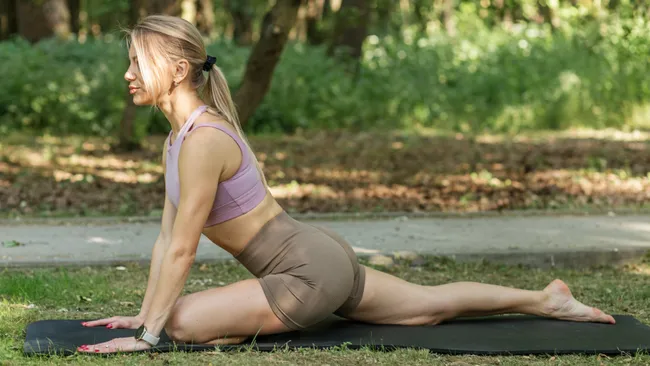
When a mobility coach says, “The hips don’t lie, but they definitely do tricks,” they’re pointing to something most of us feel but don’t fully understand: tight, stiff hips can quietly sabotage everything from squats to simple walks. If you want truly “liquid” hip mobility, you need more than random stretches. You need smart, controlled movement that improves strength, stability, and range at the same time. Below are three powerful moves that can transform your hips from rusty hinges into smooth, fluid joint motion machines.
Move 1: Deep Squat for Liquid Hip Mobility
The deep squat is a foundational move for building liquid hip mobility. Instead of forcing depth, focus on slow, controlled descents and gentle shifts at the bottom. This encourages active range control rather than passive flexibility. Keep your chest lifted and knees tracking over toes to create balanced hip alignment. Spending 30–60 seconds in a supported squat helps nourish the joint through dynamic joint loading, improving circulation and resilience. Over time, this move enhances everyday movements like sitting, lifting, and climbing stairs without discomfort.
Move 2: 90/90 Rotations to Improve Hip Mobility
If your hips feel stuck when you twist or pivot, 90/90 rotations are essential for improving smooth hip rotation. Sit with both knees bent at 90 degrees and gently rotate from side to side without using your hands if possible. This strengthens the smaller stabilizers responsible for rotational strength gains. Move slowly and breathe steadily to build controlled mobility practice rather than rushing through reps. With consistency, you’ll notice easier turns during workouts and better athletic movement patterns in sports or daily life.
 Goodbye Hair Dye for Grey Hair: What to Add to Your Conditioner for Natural Colour Revival
Move 3: Hip CARs for Advanced Hip Mobility Control
Controlled Articular Rotations (CARs) take hip mobility to the next level by training full joint circles under tension. Stand tall, brace your core, and slowly draw the biggest circle possible with one knee without shifting your torso. This builds joint capsule strength while expanding usable motion. The goal isn’t speed but precision and mind muscle awareness. Practicing CARs daily helps reduce stiffness, reinforces injury prevention habits, and creates that “liquid” feeling people chase in yoga or strength training.

Why Liquid Hip Mobility Matters
True hip freedom isn’t about extreme splits; it’s about usable, pain-free motion. When you combine strength with flexibility, you develop resilient movement capacity that supports your lower back, knees, and posture. These three exercises work together to improve everyday functional strength while protecting against wear and tear. Think of mobility as maintenance for your body’s engine. With regular practice, you’ll experience noticeable stiffness reduction and more confidence in workouts. Over time, this consistent effort leads to long term joint health that keeps you active for years.
| Exercise | Main Benefit | Recommended Time/Reps | Skill Level |
|---|---|---|---|
| Deep Squat Hold | Improves hip depth and stability | 30–60 seconds hold | Beginner |
| 90/90 Rotations | Enhances rotational control | 8–10 reps each side | Beginner–Intermediate |
| Hip CARs | Builds joint control and strength | 5 slow circles each direction | Intermediate |
| Weekly Frequency | Consistency for best results | 3–5 times per week | All Levels |
Frequently Asked Questions (FAQs)

1. How long does it take to improve hip mobility?
With consistent practice, most people notice better movement and less stiffness within 2–4 weeks.
2. Can beginners perform these hip mobility exercises?
Yes, all three moves can be modified to suit beginners and gradually progressed.
3. Should hip mobility be done daily?
Light mobility work can be done daily, especially low-intensity drills like CARs and 90/90 rotations.
 Goodbye Hair Dye for Grey Hair: The Simple Conditioner Add In That Revives Natural Colour Gradually
4. Will hip mobility reduce lower back pain?
Improving hip function often reduces strain on the lower back, which may ease discomfort.