ray hair often marks a turning point. Some people proudly embrace it, while others prefer to soften its appearance in a natural way. Across the world, more individuals are searching for alternatives that help them look refreshed without relying on harsh chemical dyes. This growing interest reflects a wider shift in attitudes toward aging and beauty. Instead of masking every silver strand with aggressive treatments, many now choose methods that protect hair health. Traditional dyes frequently contain ammonia and other strong agents that strip moisture and weaken strands over time. Repeated use can leave hair dry, brittle, and prone to breakage. In contrast, modern gentle approaches focus on gradual blending, nourishment, and shine. Rather than fighting natural texture, these solutions work with it, enhancing overall appearance while maintaining softness and strength.
The Science Behind Grey Hair and Its Visual Impact
Hair does not instantly turn grey. Each strand grows from a follicle in the scalp, where pigment-producing cells called melanocytes add color during formation. Melanin determines natural hair shade. With aging, genetics, stress, and lifestyle influences, melanocyte activity slows or stops. As a result, new strands grow with little or no pigment, appearing grey or white. Grey hair is not faded old hair; it is newly formed hair without melanin.
Hair protein, keratin, naturally carries a pale yellow undertone. When melanin declines, this base tone becomes more visible, especially under bright lighting. Aging also reduces natural scalp oils, leading to dryness and increased frizz. This is why grey hair can feel coarser and appear less smooth. Even a few white strands against darker hair create contrast around the face, emphasizing shadows and fine lines. Often, the change in texture and shine affects appearance more than color alone.

Why Traditional Hair Dye Is Losing Appeal
For decades, permanent dye has been the primary solution for covering grey hair. These products lift the hair cuticle using ammonia or similar chemicals, allowing artificial pigment to penetrate deeply. While the initial finish may look polished, frequent applications can weaken strands—particularly delicate grey hair. Damage to the cuticle often results in dryness, tangling, and irritation for sensitive scalps.
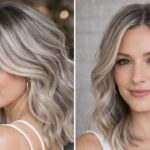
Maintenance is another drawback. As hair grows, regrowth lines become noticeable within weeks, requiring constant touch-ups. Today’s beauty preferences favor low-maintenance, softer results that preserve natural dimension. Instead of solid, uniform color, many now seek subtle blending that enhances rather than conceals.
Natural Darkening From Kitchen Remedies to Gentle Treatments
Plant-based and food-derived color boosters are gaining popularity as milder alternatives. Unlike permanent dye, these treatments do not alter the internal structure of hair. Instead, they create a light, translucent coating that gradually deepens tone and boosts shine. Among these natural options, cocoa powder has become a standout ingredient.
Cocoa contains natural pigments and antioxidants that gently enhance light to medium brown shades. On grey strands, it softens brightness, allowing them to blend more harmoniously with surrounding hair. Rather than delivering dramatic transformation, cocoa acts as a tinted conditioning treatment that improves texture and glow over time.
How Cocoa Helps Soften Grey Hair
Cocoa-based mixtures lightly coat the hair shaft, creating a soft brown tint that fades gradually with washing. When blended with conditioners or natural oils, cocoa helps lock in moisture and smooth the outer layer of hair. Many users observe that grey strands become shinier, less wiry, and easier to style after repeated use. The result is subtle enhancement rather than full coverage, offering a balanced, natural-looking finish.
A Simple At-Home Cocoa Treatment
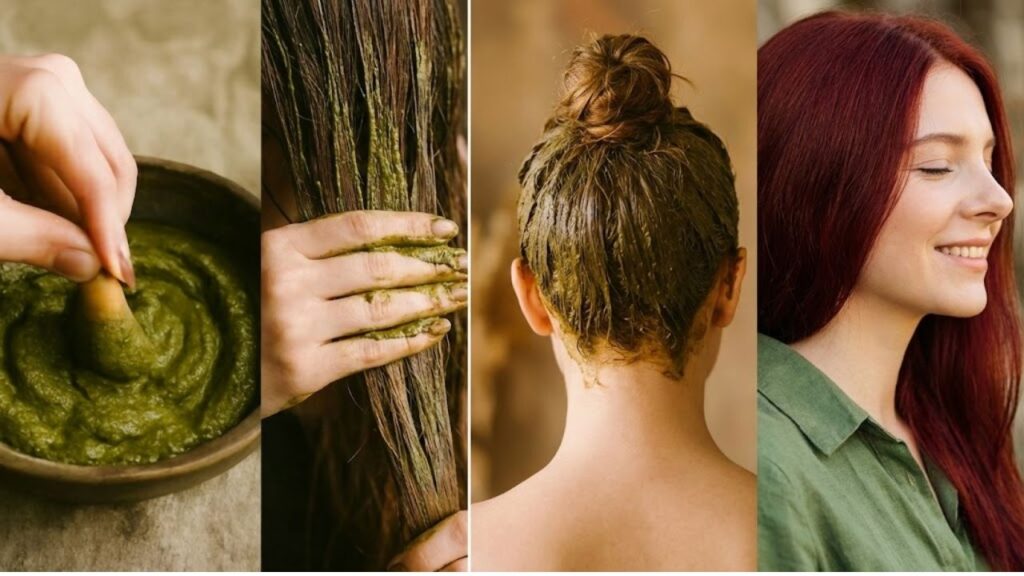
For short to medium hair, combine one tablespoon of pure, unsweetened cocoa powder with a generous amount of lightweight conditioner. Mix until smooth and evenly blended.
Apply the mixture to freshly washed, towel-dried hair. Focus on visible grey areas such as temples, partings, and the hairline. Use a wide-tooth comb to distribute evenly. Leave it on for 15 to 20 minutes before rinsing with lukewarm water. Avoid shampooing immediately afterward, as this can wash away surface color.

| Natural Hair Colour | Result After Cocoa Application | Recommended Frequency |
|---|---|---|
| Light Brown | Warmer tone with faster grey blending | 1–2 times per week |
| Medium Brown | Richer depth with softened grey strands | Once weekly |
| Dark Brown / Black | Added shine with minimal tone change | Every 7–10 days |
| Blonde | Possible uneven or dull tone | Patch test recommended |
Can Cocoa Treatments Create a More Youthful Look?
Grey hair alone does not determine age. Style, posture, skin health, and overall grooming contribute significantly to appearance. However, strong contrast between dark and white strands can intensify facial shadows. By gently reducing this contrast, cocoa treatments create a softer, more balanced look.
Healthy-looking hair is defined by shine, hydration, and smooth movement rather than total grey coverage. Reflective strands frame the face more attractively and minimize frizz, enhancing brightness both in real life and in photographs.
Where Natural Methods Work Best
Natural color enhancers such as cocoa, coffee, black tea, and sage are most effective for individuals with moderate grey who prefer blending instead of complete coverage. These options are ideal for gradual change and warmer undertones. They require patience, as results build over time rather than appearing instantly.
Even natural treatments may cause sensitivity in some individuals, so performing a patch test is essential. Occasional use of a mild clarifying shampoo prevents buildup and maintains shine.
How This Trend Reflects Modern Beauty Ideals
The popularity of cocoa-based and plant-inspired treatments highlights changing perceptions of beauty. Perfectly uniform hair color is no longer considered the only symbol of youth. Blended greys and soft transitions are increasingly embraced in fashion and social media.
Many now combine subtle tinting with thoughtful haircuts, scalp care, and balanced nutrition. While supplements cannot reverse greying, nutrients such as omega-3 fatty acids, iron, zinc, and B vitamins support healthy growth of new strands.
Complementary Gentle Alternatives
Cocoa treatments can be paired with black tea or coffee rinses for deeper tone or with herbal infusions like sage and rosemary for mild shading and scalp freshness. Rotating methods helps prevent overly warm or flat results.
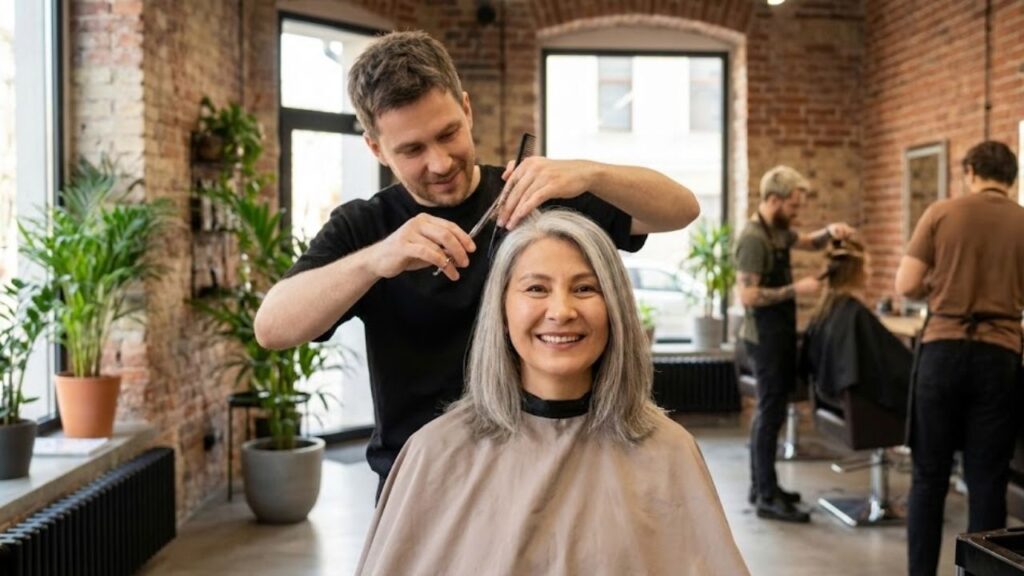
Professional colorists also offer grey-blending techniques using low-impact dyes combined with plant-based glosses. Maintaining these results at home with cocoa or tea masks can extend time between salon visits and reduce chemical exposure. Testing any new method on a small hidden section ensures safe and predictable results.
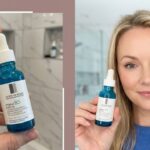 The Ordinary New Serum Nicknamed Filler in a Bottle Gave My Skin a Youthful Look in My 40s