Grey strands often signal a change in how you dress. Some people love them, while others like to make them look less harsh in a way that feels natural and easy. People all over the world are moving away from harsh chemical dyes and looking for ways to hide their greys while still looking fresh. People are becoming more interested in gentler ways to colour their hair. This is part of a bigger change in how people think about beauty and ageing today.
What Makes Hair Turn Grey and How It Changes Your Looks
Your hair doesn’t suddenly change colour overnight. Each strand grows from a follicle in the scalp, where special pigment cells called melanocytes give the hair its colour as it grows. Melanin is the main pigment that gives your skin its natural colour. As time goes on, things like getting older, genetics, long-term stress, and lifestyle choices can make these cells stop or slow down making pigment. When this happens, new hair grows in and doesn’t have much melanin, making it look grey or white. So, grey hair is new hair that doesn’t have any pigment, not hair that has faded over time.
Keratin, the protein that makes up hair, has a natural pale yellow colour. This underlying tone becomes more visible when melanin goes away, especially in bright light. Also, as people get older, their scalps tend to make less natural oil, which keeps hair smooth and shiny. When there is less oil in the hair, it feels coarser, looks duller, and frizzes more easily. Changes in texture also change how hair bends and settles, which is why grey hair often looks wiry or hard to manage.

A few bright white strands in dark hair can make a big difference around the face. This contrast might make shadows, dark circles under the eyes, and fine lines stand out, which can make features look more tired. For a lot of people, these changes in how things look are more important than the colour change itself.
 Goodbye Hair Dye for Grey Hair: The Simple Conditioner Add-In That Restores Natural Colour Gradually
Why people are no longer using traditional hair dye
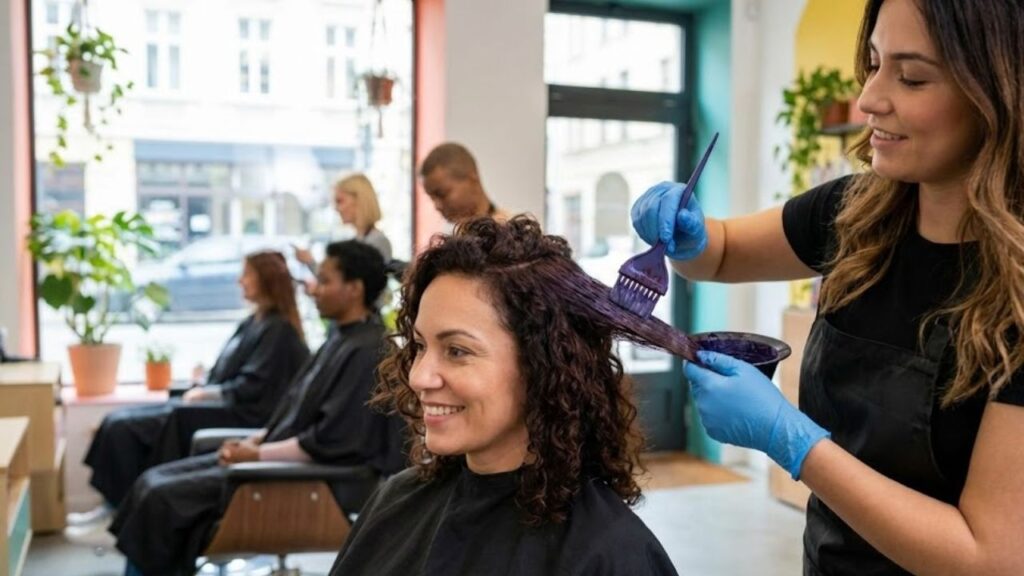
For many years, the only way to deal with grey hair was with permanent dye. Ammonia or other chemicals in these products open up the hair cuticle, which lets colour in through a process called oxidation. The first time you use it, your hair may look sleek, but using it again and again can make it weaker, especially the grey strands that are already weak. If your cuticles are damaged, your hair will become dry, tangled, and break. If your scalp is sensitive, it may itch or become irritated.
Another problem is keeping it up. Permanent dyes make a clear line of regrowth every few weeks, so you have to touch them up often. As tastes in beauty change, more and more people are choosing softer, less permanent options that keep natural depth and exposure to chemicals to a minimum. The goal is no longer perfect coverage, but a soft enhancement that looks more real.
The Increasing Popularity of Natural Darkening Methods
As part of this gentler approach, plant-based and kitchen-inspired colour boosters have become popular. These choices won’t bleach your hair or change the way it grows inside. Instead, they sit on top of the surface and slowly build up a thin layer of colour while making it shinier. Cocoa powder has gotten a lot of attention among these ingredients.
Cocoa has natural pigments and polyphenols that can slowly darken light to medium brown tones. It helps soften the stark whiteness of grey strands so they look more natural with the hair around them. Cocoa doesn’t work as a permanent dye; instead, it works as a tinted conditioning treatment that makes colour and texture better over time.
How Cocoa Softens Grey Hair Gently
Cocoa-based products cover the hair shaft with a soft brown veil that slowly fades away with washing. Cocoa also helps keep moisture in when mixed with conditioners or oils, which helps smooth the cuticle. Many people say that grey hair looks shinier, feels softer, and is easier to style when they use it regularly. The effect is small, so the overall tone is more balanced instead of full coverage.
A Simple Cocoa Treatment You Can Do at Home
This simple mix is good for sensitive scalps and routines that don’t take much time. For hair that is short to medium length, mix one tablespoon of pure, unsweetened cocoa powder with a lot of a light, oil-free conditioner. Stir until the mixture is smooth and has a consistent colour.
Apply to clean, towel-dried hair, paying special attention to the temples, parting, and hairline, where the greys are most noticeable. Use a comb with wide teeth to spread the mixture out evenly. Let it sit for 15 to 20 minutes, then rinse it off with warm water. Don’t shampoo right away, because this would wash away most of the surface pigment.

Expected Results Based on the Colour of Your Hair
- Hair that is light brown: Apply once or twice a week to see a warmer tone and faster blending of greys.
- Medium brown hair: Use once a week to add depth with naturally mixed greys.
- Hair that is dark brown or black: Extra shine with a little warmth; colour change is very small every 7 to 10 days.
- If you have blonde hair, the tone may look uneven or dull. It’s best to do a patch test first or not use it at all.
Can softening grey hair make you look younger?
Having grey hair doesn’t mean you’re old. Things like your haircut, skin condition, posture, and clothes all matter. However, a strong contrast between dark hair and bright white strands can make fine lines and shadows on the face stand out more. Cocoa-based treatments may help you look more rested and balanced by lowering this contrast.
To make your hair look younger, you don’t always have to get rid of the grey. Instead, you should keep it shiny, hydrated, and in shape. Soft, shiny hair frames the face in a way that brightens the eyes and lifts the features in a subtle way. Even a little less frizz around the face can make a big difference in how skin looks in person and on camera.
When Natural Colour Methods Are Most Effective
People with 40–50% grey hair who want blending instead of full coverage should use natural colour adjusters like cocoa, coffee, black tea, or sage. They are good for people who like slow changes, warmer colours, and little maintenance. People who expect big changes after just one use may be disappointed because these methods depend on being consistent and patient.
These treatments are natural, but they do come with some risks. People who are sensitive to cocoa may have reactions to it, so it’s important to do a patch test before using it all the way. There may also be a build-up of product, so using a mild clarifying shampoo every few weeks helps keep hair light and shiny.
How This Trend Is Changing What Is Beautiful
The rise in popularity of cocoa and other similar methods shows that beauty standards are changing. Having a perfectly even colour is no longer the only sign of youth. In fashion and on social media, blended greys, sheer coverage, and soft tints are becoming more common. This encourages people to be themselves instead of following strict rules.
A lot of people now soften their greys instead of getting rid of them. They do this by using natural colour methods along with smart haircuts, scalp care, and a balanced diet. Supplements can’t stop hair from turning grey, but omega-3s, iron, zinc, and B vitamins can help new hair grow stronger and better.
Other Soft Things to Use with Cocoa
Some people use cocoa treatments with black tea or coffee rinses to make their hair darker, or sage and rosemary infusions to add a little colour and freshness to their scalp. Changing these natural treatments around helps keep the colour from getting too warm or flat.

It can also help to get professional advice. A lot of colourists now focus on blending grey hair with low-impact dyes and plant-based glosses. Using cocoa or tea masks at home to keep your results means you can go longer between salon visits and lower the amount of chemicals you use. The safest way to find out how your hair will react is still to test it on a small, hidden area.