
A red light is where you first see a white hair in the reflection of a car window. You lean your head to the side, pull the strand forward, and there it is: a thin silver thread that wasn’t there last month. You play hide-and-seek with your roots for a while, dye your hair in the bathroom, make appointments between meetings and only take selfies from ‘the good side’. One day, though, you see a woman on the tube with a perfect salt-and-pepper mane that is shiny and well-groomed, and you feel something change. It could be that the grey isn’t the problem. It could be how it’s coming in. That’s where the smart colour trick “High-Low” balayage comes in. A colorist’s way to avoid having to touch up the roots all the time or go full silver overnight. A small but important change in hair.
Why salt-and-pepper hair looks cool all of a sudden
If you go to any salon right now, you’ll see a small but striking group of women in their 30s, 40s, 50s, and beyond who are proud of their natural salt-and-pepper hair. No scarf hiding the roots and no frantic “cover my grey!” requests. They want shine, depth, and movement instead. Colourists will tell you this in a soft, conspiratorial voice: grey is no longer a problem; it’s a blank slate. What used to be rushed into hiding is now being shaped, brightened, and framed. It’s not just fashion that has changed; it’s also how you see those stubborn roots in the mirror.
Claire*, a hairdresser in Paris who has been doing grey transitions for ten years, sees it every week. One client, who was 47 years old, came in with two centimetres of silver at the roots and a flat dark brown length. The classic “helmet” effect. She was sick of having to touch up her nails every month and worrying about how the humidity would affect her vacation photos. They picked a High-Low balayage, which has some brighter, cooler pieces to match the natural white and some deeper veils to make the line of demarcation less sharp. Three months later, the client came back, but not for emergency coverage. They just wanted a gloss. She laughed and said, “My coworkers keep asking me if I changed my hair.” “They don’t understand that I just stopped fighting my hair.”
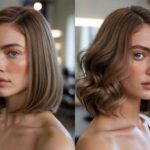
The contrast is what makes salt-and-pepper hair so strong. When you put dark strands next to white ones, it gives your hair instant depth, almost like built-in highlights. But that same contrast can look harsh when grey only shows up at the roots and the rest of the hair is dyed the same colour. That’s why traditional all-over colour feels like a treadmill: the more you cover, the sharper the line where the hair grows back. Instead of getting rid of the contrast, high-low balayage plays with it. The method mixes your natural grey with carefully made light and shadow, so your hair tells a story instead of showing a fight. The goal isn’t to look younger at all costs; it’s to look like a better version of yourself.
 The Summer I Turned Pretty: this is the haircut to ask your hairdresser for to get Belly’s look
What “high-low” balayage really does to your grey hair
High-Low balayage is exactly what it sounds like: a mix of lighter and slightly darker colours painted freehand through your hair, working with the salt-and-pepper colour you already have. The “high” pieces grab the white and silver strands, making them look planned and almost glowing. The “low” pieces add soft depth to areas where your natural base feels too flat or where the grey clumps together. You don’t get a solid colour helmet; instead, you get a gradient, like when the sun shines through your hair. To do this, the hairdresser looks at how your hair grows from the roots: where the grey is thicker, where it’s almost gone, and how it frames your face. Then the brush goes along with that map.
Claire loves the story of a 55-year-old lawyer who came to her with the classic problem: “If I stop dyeing, I’ll look old.” If I keep going, I look fake. Her hair was 70% grey at the temples and 30% grey on the rest of her head. She had dyed it dark brown for twenty years. They began with a very soft High-Low balayage, which included very fine light streaks around the face and a few cooler beige strands in the middle. Then, thin lowlights that were a little ashier than her base to soften the harsh line. Her friends thought she had “gone blonder” after the first session. Six months later, she looked mostly natural, with only a few painted pieces to keep the look. The grey didn’t go away; it finally had some company.
This method buys you time from a technical point of view. Roots don’t clash with a single solid shade when they grow in because the hair around them is already different. The eye sees a mix of tones, not a line that separates them. You go to the salon less often, sometimes every four weeks and sometimes every three or four months. Your hair also doesn’t get as damaged from colouring it all the time. There is another small benefit: High-Low balayage lets you see how you feel about seeing more grey without having to stop right away. You can let the natural salt and pepper take the lead, and the balayage will quietly support it in the background.
How to ask your hairdresser for the best salt-and-pepper “High-Low”
The most important step is the consultation, which happens before the colour even touches your head. Come with hair that is clean, dry, and easy to see your natural texture. No heavy oils or slick buns. Sit down and say what you want to get away from: the root panic every month, the too-dark lengths, and the “shoe polish” effect on your parting. Then say something like, “I want to blend my grey, not hide it.” I heard about balayage with high and low lights. Can we make light and dark colours that go well with my salt-and-pepper? Don’t just show pictures of standard blond balayage; show pictures of hair with grey in it. The right colourist will get excited and start pointing at your temples and crown, telling you where to put light pieces and where to leave your natural tone alone.
A lot of people come in whispering, “I’m going grey, fix it,” and leave with hair that is darker than when they came in. That’s the trick. Listen to your gut if a stylist insists on full coverage “to look younger.” You are not a problem that needs to be solved. Another common mistake is to ask for a lot more blonde hair all at once, thinking it will cover up the grey. That often makes hair feel like straw because it is dry and overprocessed. Salt and pepper need space, respect, and care. The emotional part is important too. We’ve all had that moment when the mirror seems to judge more than reflect. A good colourist will help you through that instead of just putting in a strong dye and ignoring your doubts.

Claire says, “High-Low balayage is like good makeup.” “You don’t notice the technique; you just see that the person looks well-rested, bright, and strangely at ease with themselves.” She says, “Trust me, zero grey is not the sexiest thing.” “It’s hair that softly tells the truth.”
Scientists used to think that a brain parasite that affects up to one-third of people was inactive, but it isn’t.
“I’m 63 and I didn’t understand why I was stiff in the morning”: what my body really needed
Psychologists say that people who never make their bed have this rare and desirable trait.
Banana peels in the garden: they only help plants if you put them in this exact spot.
Heavy snow is expected to start tonight, and officials are telling drivers to stay home while businesses try to keep things running as usual.
 Goodbye to the angled bob : the “anti-ageing” cut that restores volume to thinning hair after 55
- Make a “mood board” with 3 to 5 pictures of salt-and-pepper hair that you like, not pictures of famous blondes.
- Before the stylist starts, ask them exactly where they plan to put the light and dark pieces.
- Start with a light first session; you can always add more light later.
- Every six to eight weeks, you should plan on getting a toner or gloss to keep the grey bright and not yellow.
- Keep this simple truth in mind: no one really sticks to a 4-week root schedule for long.
Living with salt and pepper: more than just in the salon
After the High-Low balayage is done, there is a small change in everyday life. Your hair looks softer under bright bathroom lights. During the day, the silver catches the sun instead of being too bright against the flat dye. You might tie it up less and let it fall over your shoulders during video calls instead of rushing to hide your part. Some mornings are still weird. You might see a new white streak on some days and think, “That looks kind of cool,” even though you weren’t expecting it. This is the quiet work of a good grey transition: every time you pass a reflective surface, it changes the story in your head, not just the colour.

Main pointValue for the reader in detail
| High-Low balayage mixes greyThere are both light and dark pieces painted around natural salt and pepper. | Less visible roots, a smoother transition, and a softer contrast |
| Less work on the rootsVisits to the salon every three to four months instead of every month | Saves time and money, and makes regrowth less stressful. |
| Placement that is unique to youColour goes with your own grey pattern and face shape. | A more flattering, natural result that still feels like you |