There has been a rise in interest in non-invasive, self-guided ways to help with fat loss lately, especially those based on holistic traditions. Acupressure may be able to help you deal with cravings and stop eating when you’re stressed in a natural way. Auricular (ear) acupressure and targeted point stimulation have become more popular as complementary tools in the past year. People often use key points like Shen Men, Ren 6, and ST36 to help with digestion, control their appetite, and boost energy flow. Acupressure alone won’t make you lose a lot of weight, but doing it every day along with eating right and moving around can help you stick to healthy habits. You don’t need to think too much about this if you’re a normal user. Just start with one or two well-researched points and apply firm, circular pressure for 1–2 minutes, 2–3 times a day.
Acupressure is a technique derived from Traditional Chinese Medicine (TCM) that involves applying physical pressure to specific points on the body, believed to align energy pathways (meridians). When it comes to losing weight, it’s not about directly burning fat; it’s about supporting behaviours and physiological states that make it easier to lose weight. These include controlling hunger, lowering stress, and making digestion work better.
Common uses include pressing ear points with your fingers, stimulating areas of the abdomen or legs, or using tools like seed tapes or acupressure slippers. It doesn’t need any special equipment to start, and you can do it at home. You can even do it while doing other things, like stretching in the morning or sitting at your desk.

The Rise in Popularity of Acupressure
More and more people are looking into mind-body practices as a way to stay healthy in the long term. Acupressure is a simple way to affect internal balance that doesn’t require a lot of effort, unlike strict diets or intense workouts. The appeal lies in its simplicity and alignment with self-care philosophies—especially among those wary of pharmaceutical aids or invasive procedures.

This increase is also a sign of bigger cultural changes toward wellness that is preventive and holistic. Stress and emotional eating are still big problems, so people looking for gentle, long-term solutions like acupressure are drawn to techniques that work on both the body and the mind. For example, research into auricular acupressure suggests that it may help lower body mass index and waist circumference when used with changes to one’s lifestyle.
Methods and Variations
Different acupressure techniques have different levels of accessibility, consistency, and user commitment. Here is a list of common methods:
| Method | Advantages | Potential Drawbacks |
|---|---|---|
| Manual Finger Pressure | No cost, immediate access, full control over pressure and timing | Requires discipline; easy to skip without routine |
| Auricular Seed Therapy | Continuous stimulation throughout the day; discreet | May irritate sensitive skin; seeds can fall off |
| Acupressure Slippers | Hands-free; integrates into walking or standing tasks | The first cost is between $30 and $60, and they might not fit all foot types well. |
You don’t need to think too much about this if you’re a normal user. Most people can get by with just manual pressure. Tools can help make things more consistent, but they aren’t necessary.
Important Features and Specs to Look At
If you’re thinking about using acupressure to help you lose weight, pay attention to these measurable things:
- Point Accuracy: Are you aiming at well-known places, like ST36 or Ren 6? Misplacement makes things less effective.
- Pressure Duration: Try to hold each point for 1 to 3 minutes. Shorter durations may not trigger response.
- Frequency: Daily application yields better results than sporadic use.
- Consistency with Lifestyle: Choose a method that fits naturally into your routine.
Effectiveness isn’t measured in pounds lost but in reduced cravings, improved meal awareness, or lower perceived stress levels.
| Aspect | Advantages | Limitations |
|---|---|---|
| Accessibility | Low barrier to entry; can be done anywhere | Results are small and slow to happen. |
| Safety | Not invasive; very little risk when done right | Not suitable for pregnant individuals or those with foot injuries using slippers |
| Integration | Complements diet and exercise without added time burden | Does not replace calorie management or physical activity |
It works best as a behavioral aid—not a standalone solution. If you’re a typical user, you don’t need to overthink this: treat it as a mindfulness anchor, not a metabolic shortcut.
How to Choose an Acupressure Method
Use this step-by-step guide to pick the right method:
- Find out what your main goal is: Do you want to control your cravings? Less stress? Digestive support?
- Match to a point:
- Hunger/Shen Men (ear) → appetite suppression
- Ren 6 (abdomen) → energy and digestion
- ST36 (leg) → vitality and gut health
- Pick a delivery method: Start with finger pressure before investing in tools.
- Set a routine: Tie sessions to existing habits (e.g., after brushing teeth).
- Avoid overcomplication: Don’t target more than 3 points daily at first.
Avoid: Buying expensive kits without trying basic techniques first. Also, don’t expect things to change quickly; this is about building good habits, not changing them.

Insights and cost analysis
Most of the best acupressure techniques are free. All you need to use your fingers is time and practice. Some users, on the other hand, choose helpful tools:
- Auricular Seeds: ~$10–$15 for a pack (reusable for weeks)
- Acupressure Slippers: ~$35–$60 depending on design and materials
Budget-wise, free methods deliver comparable benefits if applied consistently. Spending more doesn’t guarantee better outcomes. This piece isn’t for keyword collectors. It’s for people who will actually use the product.
Better Solutions & Competitor Analysis
Acupressure is easy to use, but other self-regulation techniques can help you reach the same goals:
| Technique | Best For | Potential Issues |
|---|---|---|
| Acupressure | Appetite signals and stress control | Subtle effects; requires patience |
| Mindful Eating | Portion control, emotional awareness | Needs cognitive effort |
| Walking After Meals | Blood sugar regulation, digestion | Time-dependent |
Each supports fat loss indirectly. Acupressure is great for passive integration, like pressing a point while working, but it doesn’t have a direct effect on metabolism. For better results, do it with mindful eating.
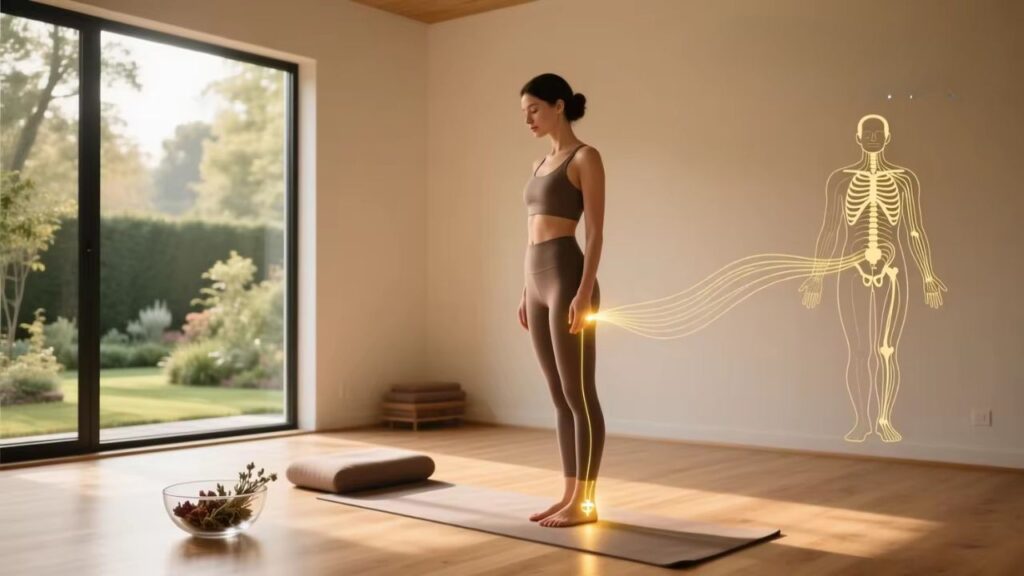
The ear (Shen Men), the abdomen (Ren 6), and the leg (ST36) are all common acupressure points for losing weight.
Putting together customer feedback
Users frequently report:
- Easier craving management, especially mid-afternoon or evening snacking
- Better ability to control eating urges
- Little fat loss can be seen when used alone
- At first, it was hard to find the right points without help.
Maintenance, Safety & Legal Considerations
Maintenance is minimal: wash hands before practice, clean tools regularly, and replace adhesive seeds weekly. For slippers, follow manufacturer care instructions.
Things to think about when it comes to safety are:
- Don’t put too much pressure on yourself while you’re pregnant.
- Don’t use foot-based methods if you have open sores, neuropathy, or severe plantar fasciitis.
- Always start slowly and build up pressure over time.
There are no laws that stop people from using acupressure on themselves. You don’t need a certification to do it yourself.

In conclusion
Acupressure is a good way to get gentle, long-lasting help with managing your appetite and stress. Be consistent, use points that are backed by evidence like Shen Men and ST36, and combine it with being aware of your diet and getting some exercise. If you’re a normal user, you don’t need to think too much about this. Just start by putting pressure on one or two points with your fingers every day. Not intensity, but repetition brings results.