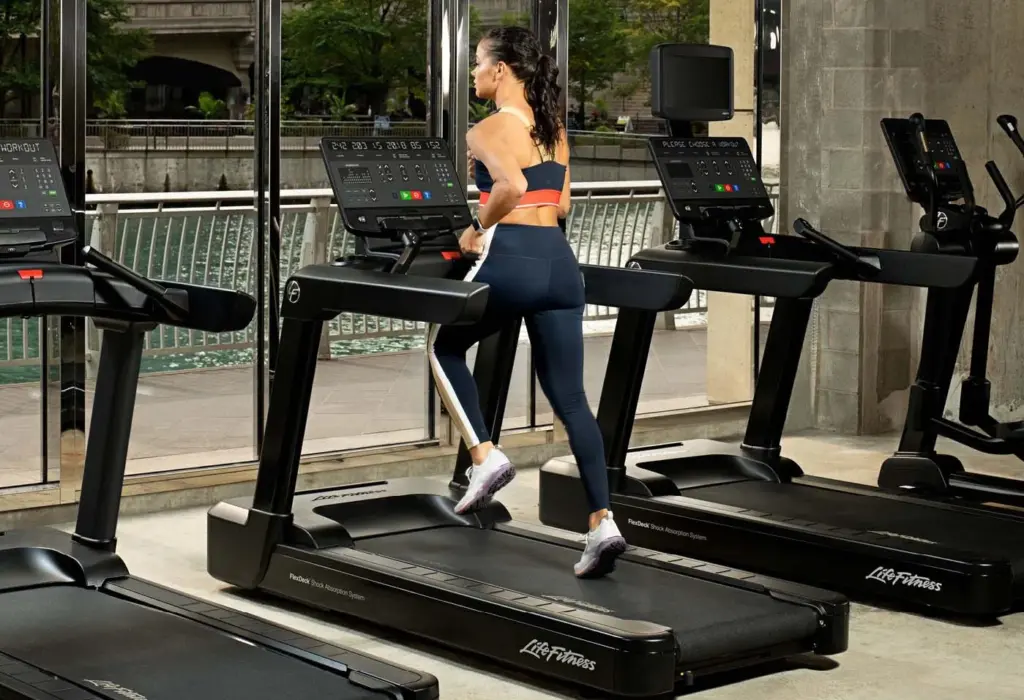
The 12-3-30 walking workout is a good option if you want a low-impact, time-efficient cardio routine that helps you build endurance and stay active. It involves walking on a treadmill for 30 minutes at 3 mph with a 12% incline. This method has become more popular over the past year as an easy way for people to get regular exercise without putting a lot of stress on their joints. It’s not a quick fix or a miracle cure, but if you do it regularly, it can help your heart and lower body get stronger. If you’re a normal user, you don’t need to overthink this. Just start with modifications if you need to, focus on your form, and make sure you’re consistent over intensity.
What was the biggest mistake Trying to do the whole 12-3-30 on the first day. The second one? Thinking it will change your body all by itself. The real limit? Not the numbers on the screen, but daily sustainability. This isn’t for people who collect keywords. It’s for people who will really use the product.
The 12-3-30 Walking Workout is
The 12-3-30 walking workout is a planned treadmill workout that includes a 30-minute walk at 3 miles per hour (4.8 km/h) with a 12% incline. Even though the name says you have to do it 12 times or only three days a week, that’s not true. It only has to do with the machine settings. It was first popularised on social media, and now fitness groups are talking about it as a long-term way to do steady-state cardio 1.

People who want to get into the habit of moving every day, improve their walking endurance, or add low-impact exercise to their routine often use this workout. This is especially true for people who don’t want to run because of joint pain or a history of injuries. It’s not meant for elite athletes; it’s meant for people who want to work out consistently and at a moderate level over time.

The main measurable results are better cardiovascular efficiency and lower body muscular endurance, especially in the glutes, hamstrings, and calves. People often think of these as weight loss results. The steep incline makes it harder, like walking up a hill, which naturally uses more muscle fibres than walking on flat ground.
Why the 12-3-30 Workout Is Getting More Popular
There has been more interest in low-impact, equipment-based workouts lately. This is partly because people are becoming more aware of how to protect their joints and stick with their exercise plans for the long term. The 12-3-30 method fits this trend perfectly because it doesn’t require a lot of skill, doesn’t involve heavy lifting, and can be done inside no matter what the weather is like.
Another thing is that it’s simple. The 12-3-30 gives you clear guidelines in a time when training programs are complicated and there is too much data. You choose two numbers: speed and incline. Then you walk. No intervals, no reps, and no timed sprints. That clarity makes it easier to stick with because it cuts down on mental friction.
Also, a lot of people say they feel good about themselves after finishing the full 30 minutes. Finishing a set challenge, even if you set it for yourself, can be good for your mental health. That feeling of control is more important to people who are getting back into shape after being inactive than the number of calories they burn.
Methods and Differences
The standard 12-3-30 format is well-known, but there are many variations that work for people with different fitness levels and goals.
Differences, Benefits, and Possible Problems
| Standard 12-3-30 | Clear structure, steady load, and easy to see how you’re doing | It might be too hard for beginners, and if you’re tired, you might not do it right. |
|---|---|---|
| 8-3-30 (less steep) | Easier to get to; lets you focus on your breathing and posture | Fewer initial gains in activating the glutes and hamstrings |
| Interval incline (for example, switch between 6% and 3%) | Balances intensity; might make heart rate variability better | Rhythm is less predictable, and it’s harder to keep the flow going. |
| At a 12% incline, the speed is slower (2.5 mph). | Keeps resistance while making it feel less hard | More time is needed to burn the same amount of energy. |
When it’s important to care: If you’re new to incline walking or have trouble moving, starting with a modified version will keep you from getting hurt or burnt out. When you don’t need to overthink it: Once you’ve built up your basic endurance, small changes in speed or incline won’t have a big effect on the results. If you use this a lot, you don’t need to think too much about it. Consistency is much more important than optimisation.
Important Features and Specifications to Look At
To see if the 12-3-30 workout is right for you, think about these things that can be measured:
- Duration The core is 30 minutes of continuous movement. Shorter sessions might still help, but the overall effect is less.
- Incline Level 12% is steep, like climbing a hill. Lower percentages (8–10%) still have benefits but are less stressful.
- Speed A brisk walk is 3 mph. Slower speeds make time under tension longer but lower the demand on the heart a little bit.
- Heart Rate Zone Most people stay in zone 3 (70–80% max HR), which is the best zone for building aerobic fitness.
- Perceived Exertion It should feel hard but doable. It’s probably too intense if you can’t talk in short sentences.
When it’s worth it: Keeping an eye on these specs helps you stay in a range that is good for you—not too easy or too hard. When you don’t have to think too hard about it: It’s normal for your pace or effort to change from day to day. You don’t need to be exact to get results. You don’t need to think too much about this if you’re a normal user.
Using the incline settings on a treadmill for walking workouts to lose weight
Walking on an incline burns more calories and works more muscles than walking on a flat surface.
Pros and Cons
Pros Doesn’t hurt your joints, builds strength in your lower body, boosts your stamina, and is easy to fit into your daily schedule.
Cons It involves doing the same thing over and over again, it doesn’t work your upper body very much, you could hit a plateau if you don’t change things up, and you need access to a treadmill.
Best for people who are just starting to get used to being active, people who work in an office and want to move more, people who are recovering from being inactive, or anyone who likes predictable routines.

Not as good for People who want to quickly gain strength, get in shape all over their body, or improve their performance in a specific sport. Also not great if you can’t always get to the treadmill.
A guide to making the choice of your 12-3-30 approach
Use this checklist to make the workout your own in a safe way:
- Check your current level of fitness: Are you able to walk for more than 20 minutes without getting tired? If not, start with a 15–20 minute walk at a 5–7% incline.
- Check to see if the treadmill is available: It’s important to be able to get to it often. If you have to share or don’t have a lot of time, shorter daily walks might be more realistic.
- Set up the right form: Stand up straight, engage your core, swing your arms naturally, and don’t lean on handrails unless you need to.
- Start by making changes: Start with 8-3-20, which is 8% incline, 3 mph, and 20 minutes. Then, slowly increase the time and incline.
- Don’t make these mistakes: holding onto the rails (which makes it less effective), rushing into 12%, skipping the warm-up and cool-down, or ignoring pain signals.
- Keep track of subjective feedback: every week, write down how your energy levels, joint comfort, and mood change, not just how much you work out.
When it matters: Form and frequency are more important than hitting exact numbers. Don’t worry too much about missing a day or changing the incline by 1%. Progress doesn’t happen in a straight line. You don’t need to think too much about this if you’re a normal user.
Things to think about for maintenance, safety, and the law
The first step to safety is to wear shoes that support your feet and have good cushioning and heel stability. Don’t wear socks or shoes with flat soles, as these make you more likely to slip and strain.
Always start with a 5-minute warm-up walking flat at 2.5–3 mph and end with a cooldown. Stopping suddenly can make you feel dizzy or cramp. Stay hydrated, especially in gyms with climate control, where sweat evaporation hides fluid loss.
Pay attention to what your body is saying. You should expect to feel some discomfort, but not sharp pain. If you feel joint locking, numbness, or pressure in your chest, stop right away. The 12-3-30 is low risk, but any kind of physical activity comes with risks that come from moving.
No legal disclaimers can take the place of personal responsibility. Follow the safety rules that equipment makers give you. Gyms may have rules about how to use their facilities. Please follow the rules that are posted.
Putting together customer feedback
When you look at a lot of user experiences, you can see that there are some common themes:
A lot of praise:
- “It made me feel like I had done something good, even when I didn’t want to.”
- “My legs feel stronger and my breathing got better in two weeks.”
- “Simple to remember—no planning needed.”
Some common complaints are:
- “It got boring quickly, so I had to add music or podcasts.”
- “I couldn’t keep 12% without holding the rails.”
- “I didn’t see any changes until I ate better.”
This is true in a bigger sense: sustainability depends on enjoyment and fitting into daily life, not just how the body is designed.
Conclusion: Who Should Give the 12-3-30 a Shot?
The 12-3-30 workout is a good choice if you want a simple, repeatable way to get moving every day and build up your walking endurance. It’s especially helpful for people who are getting back into shape, have sensitive joints, or want to start doing cardio without too much trouble.
This should be just one part of a bigger program if you want to improve your overall strength, agility, or athletic performance.

If you need to, start with a modified version. Make sure your form is good, and try to be consistent. It takes months of hard work to get results, not just one session. This piece isn’t for people who collect keywords. It’s for people who will really use the product.