Recently, more individuals have adopted simple, time-efficient exercises like the daily 1-minute plank to build core strength without requiring any equipment or a gym. So, how soon can you expect results from doing a 1-minute plank every day? The general answer: Most users start noticing enhanced stability and muscle endurance in 2-3 weeks, and visible changes in posture and abdominal definition within 4-6 weeks. This routine works well for beginners and those maintaining their fitness level, provided that the form is maintained and progression is introduced once the exercise becomes easier.
About the 1-Minute Daily Plank
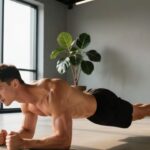
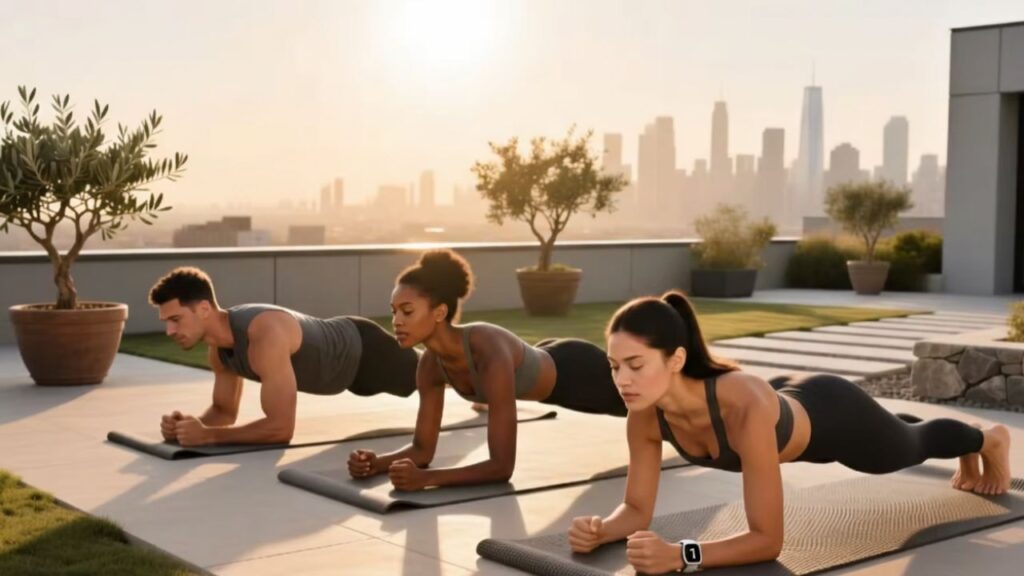
The 1-minute daily plank is a minimalist core training strategy in which individuals perform a front plank for 60 seconds every day. This isometric exercise targets several muscle groups, including the transverse abdominis, rectus abdominis, obliques, shoulders, and glutes, by holding a push-up-like position with the elbows on the ground.
This approach appeals to those seeking low-time-commitment routines, especially office workers, beginners, or those recovering from a sedentary lifestyle. It’s often promoted as part of a “30-day challenge,” claiming benefits like flatter abs, improved posture, and reduced back discomfort. However, these outcomes are heavily reliant on execution quality and individual starting points.
The plank itself isn’t a magical exercise; it is consistency, proper form, and gradual progression that yield results.

Why the 1-Minute Plank Is Gaining Popularity
Over the past year, short-form fitness content has become increasingly popular on platforms like YouTube and Reddit, highlighting micro-workouts that fit into busy schedules. The 1-minute plank aligns well with this trend because it requires no equipment, takes under two minutes (including setup), and can be done at home, in a hotel room, or even before bed.
People are motivated by three emotional drivers: simplicity, control, and immediate feedback. They seek fitness strategies that are achievable, not overwhelming. Holding a plank provides real-time biofeedback—shaking indicates effort, while stillness signals progress. This tangible sense of improvement keeps people motivated and adherent to the practice.
Approaches and Differences
While the standard front plank is the most common, there are several variations, each offering different levels of challenge and accessibility.
| Variation | Benefits | Potential Drawbacks | Best For |
|---|---|---|---|
| Front Plank (Forearm) | Builds core stability, easy for beginners | Risk of sagging hips or neck strain if form is poor | Beginners, daily maintenance |
| Side Plank | Targets obliques and lateral stability, reduces lower back strain | Less intuitive balance, harder to ensure equal effort on both sides | Intermediate users, posture correction |
| High Plank (Hand-supported) | Engages more shoulder stabilizers, transitions well into movement | Greater wrist pressure, risk of elbow hyperextension | Users doing push-ups or dynamic movements |
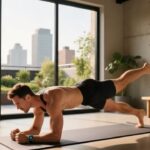
| Plank with Leg Lift | Increases glute activation and anti-rotation demand | Higher coordination needed; may affect spinal alignment | Advanced users seeking progression |
When to care: Choosing the right variation matters most once you plateau or feel discomfort in your joints. When not to overthink it: If you’re a beginner, any correctly performed plank is better than none.
Key Features to Track
To evaluate the effectiveness of your 1-minute plank routine, track the following measurable indicators:
- Form Quality: Are you keeping a neutral spine? Avoid sagging or raising the hips.
- Endurance Progression: Can you hold longer than 60 seconds comfortably?
- Postural Awareness: Do you notice yourself standing taller throughout the day?
- Muscle Engagement: Can you feel the burn in your core, not just your arms or shoulders?
- Daily Function: Do you experience less lower back fatigue after sitting or lifting?
These metrics are more significant than aesthetic changes. Visible abdominal definition relies primarily on body fat percentage, which the plank alone won’t change. However, improved muscle tone and posture can create a leaner look—even without fat loss.
Pros and Cons of the 1-Minute Plank
Pros:
- Time-efficient: Under 2 minutes including setup.
- No equipment needed: Can be done anywhere.
- Functional strength: Improves stability for everyday movements.
- Beginner-friendly: Easier to master than complex exercises.
- Supports posture: Counters the effects of sitting for long periods.
Cons:
- Limited muscle growth: Isometric holds increase endurance, not muscle size.
- Plateaus quickly: Progress slows after 4-6 weeks unless intensity increases.
- Form-dependent: Poor technique shifts the load to wrists, shoulders, or lower back.
- No calorie-burning spike: Not effective for fat loss on its own.
- Doesn’t replace full-body workouts: Lacks cardiovascular benefits.
Choosing the Right Plank Strategy
Selecting the best plank approach depends on your goals, fitness level, and lifestyle. Use the following guide:
- Define Your Goal: Is it better posture, core endurance, back comfort, or visible abs? Only the first three are supported by planking alone.
- Assess Current Ability: Can you hold a plank for 30 seconds with good form? If yes, the 1-minute plank is sustainable.
- Choose Variation: Start with the forearm plank. After 2-3 weeks, add side planks to target obliques.
- Integrate It into Your Schedule: Tie it to an existing habit, such as after brushing your teeth or before coffee.
- Plan for Progression: Once 60 seconds feels easy, extend the duration or add dynamic elements.
Common Mistakes to Avoid
- Letting your hips drop or rise too high.
- Holding your breath instead of breathing steadily.
- Focusing only on time and ignoring form decay.
- Expecting belly fat loss from planks alone.
Customer Feedback
Across forums like Reddit and Quora, users consistently report early wins, such as feeling “tighter,” standing straighter, and experiencing less back pain. Many describe completing a 30-day challenge and noticing improvements in workout performance—especially in unrelated activities like running or carrying groceries.
However, some complaints include boredom, shoulder fatigue, and a lack of visible progress after week 4. A few users admitted to poor form—continuing the plank despite hip sagging to “finish the minute.” Others expected faster results, leading to disappointment.
Maintenance and Safety Considerations
To maintain benefits, continue planking or replace it with similar activities like Pilates or swimming. Stop planking entirely, and core endurance will decrease within 2-3 weeks.
Form is critical for safety. If you feel sharp pain, stop immediately. Modify the plank on your knees if wrist or shoulder discomfort arises. Pregnant individuals should consult a professional before continuing planking, as isometric abdominal pressure may not be suitable in later pregnancy stages.
Conclusion: When the 1-Minute Plank Works
The 1-minute plank is an effective exercise for improving core stability, posture, and daily movement confidence for beginners and intermediates. Expect noticeable improvements in 2–6 weeks, particularly in endurance and awareness.
However, for advanced strength, visible abs, or athletic performance, the plank alone won’t suffice. Progress beyond 60 seconds, incorporate variations, or combine planks with other training methods.