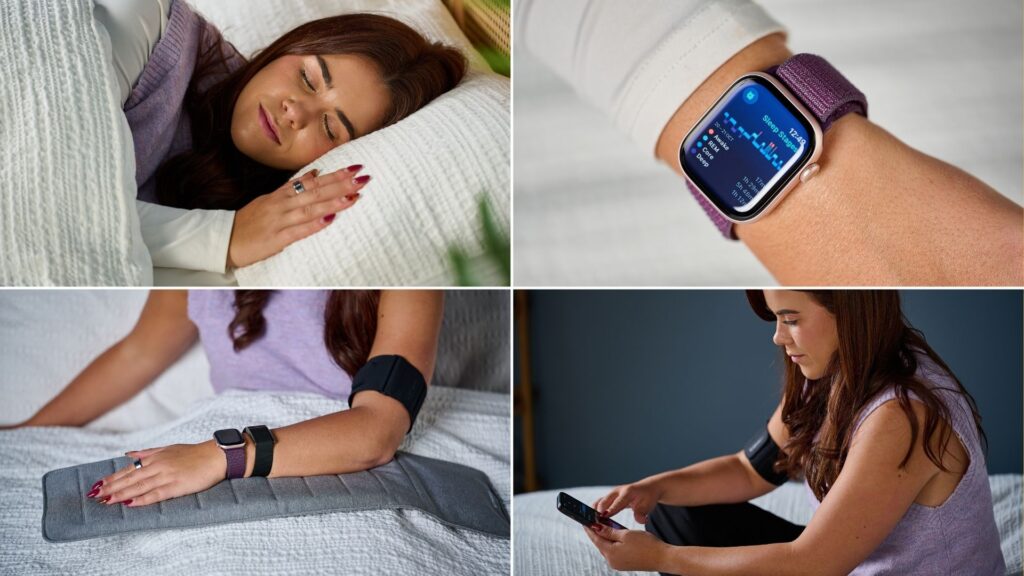
For most people, walking 1 mile takes between 15 and 22 minutes at a moderate pace of about 3 miles per hour. If you’re a typical user, you don’t need to overthink this. Recently, more individuals have started tracking their daily walks as part of a sustainable fitness routine, driven by wearable tech and growing awareness of low-impact exercise benefits. Whether you’re aiming for general movement or building endurance, understanding average times, influencing factors, and realistic improvement strategies helps avoid common pitfalls like overestimating progress or misjudging effort.
What You Should Know About Walking 1 Mile
The question “how long to walk 1 mile” isn’t just about timing—it’s about understanding your personal fitness baseline. This guide addresses the practical reality of walking duration based on real-world data, not idealized standards. It’s suitable for anyone incorporating walking into daily life, such as commuters, office workers, parents with strollers, or beginners on a fitness journey.
Walking 1 mile is often used as a benchmark because it’s achievable, requires no equipment, and integrates easily into routines. It provides cardiovascular health benefits and promotes mental clarity without strain. Over the past year, public interest in walking has grown, thanks in part to the rise of smartwatches and apps that track steps and pace, making time-per-mile a visible metric.

Why Tracking Walking Time Is Becoming Popular
Walking has shifted from being seen as “just moving” to a recognized form of mindful movement and foundational fitness. People are now more interested in sustainable habits and the benefits of low-impact exercise. Walking 1 mile a day is promoted not just for weight loss but for energy regulation, stress reduction, and joint mobility.

With wearable devices now automatically estimating pace and distance, people can get immediate feedback. Questions like “how long should it take to walk 1 mile?” have become common search queries. This shift is not because people are racing, but because they want to track their progress and ensure they’re on track.
Walking Paces That Shape Your Experience
Walking speed is the defining factor of your walking experience. Below are three primary walking approaches, each catering to different goals:
| Walking Pace | Time per Mile | Speed (mph) | Best For |
|---|---|---|---|
| Fast/Brisk Walking | 11–15 min | 4–4.5 mph | Cardiovascular fitness, time-efficient workouts |
| Moderate Walking | 15–22 min | 2.5–4 mph | Daily habit, joint-friendly movement |
| Leisurely Stroll | 24–30+ min | 2–2.5 mph | Recovery, mindfulness, companionship |
Key Features to Track for Your Walking Progress
To assess your walking performance or set meaningful goals, consider focusing on the following measurable indicators:
- Pace (min/mile or mph): This is the most accurate reflection of your effort. Track it using a GPS watch or smartphone app.
- Heart Rate Zone: Moderate effort typically falls within 50–70% of your maximum heart rate.
- Perceived Exertion: Can you talk comfortably? If yes, you’re likely in the moderate range.
- Stride Length: Taller individuals naturally cover more ground, but shorter strides with a higher cadence can improve efficiency.
Who Benefits from Walking 1 Mile?
Pros: Walking has a low injury risk, improves circulation, enhances mood, and is accessible to nearly all fitness levels.
Cons: Progress may be slower compared to running, and results may feel subtle without consistent tracking.
Best suited for:
- Beginners looking to establish movement habits
- People managing fatigue or joint sensitivity
- Those seeking a mental reset during workdays
Less effective for:
- Rapid calorie deficit goals (unless the volume of walking is significantly increased)
- High-performance athletes needing intense physical stimulus
How to Choose Your Ideal Walking Strategy
Choosing how fast or how far to walk depends on your fitness goals. Use the following guide to help decide:

- Define your purpose: Is it health maintenance, stress relief, or fitness progression?
- Assess your current ability: Can you walk 1 mile continuously? Start there, regardless of time.
- Select your pace: Use the table above to match your goal with a target pace range.
- Track consistently: Use a timer or fitness tracker for 1–2 weeks to establish a baseline.
- Adjust gradually: Aim to reduce your walking time by 1–2 minutes over 4 weeks through better form or interval walking.
Common Mistakes to Avoid:
- Comparing your time to elite walkers or runners
- Trying to rush improvements in under a week
- Ignoring terrain differences (e.g., treadmill vs. hills)
Costs of Walking and Optional Tools
Walking is one of the lowest-cost forms of physical activity. No gym membership or special gear is required, but investing in supportive footwear ($60–$130) can prevent discomfort and improve efficiency, especially with regular walking.
Optional Tools:
- Fitness tracker ($100–$250): Tracks pace, distance, and heart rate.
- Walking apps (Free–$10/year): Help map routes and log progress.
- Treadmill ($500+): Useful for indoor walking, especially during extreme weather.
Alternatives to Walking
While walking 1 mile is highly accessible, some alternatives offer complementary benefits:
| Activity | Advantages | Drawbacks | Estimated Budget |
|---|---|---|---|
| Cycling | Higher cardio output, faster coverage | Requires bike, maintenance, and safe routes | $300+ |
| Swimming | Full-body, zero impact, joint-friendly | Access to pool, coordination required | $30–$80/month |
| Strength Training | Builds muscle, boosts metabolism | Learning curve, equipment required | $0–$100 (home)/$50+/month (gym) |
Customer Feedback
Frequent Positives:
- “I didn’t realize how calming a daily mile could be.”
- “My step tracker motivated me to gradually improve my time.”
- “No soreness, but I feel stronger after a few weeks.”
Common Frustrations:
- “It feels too easy—I’m not sure if it’s doing anything.”
- “Weather keeps me from going outside consistently.”
- “I plateaued and stopped seeing changes.”
Maintenance, Safety, and Legal Considerations
Safety Tips:
- Walk facing traffic if on roads.
- Wear reflective gear at night.
- Stay hydrated, especially in warm weather.
No legal restrictions apply to walking in public spaces, but be mindful of local laws and private property regulations.

Conclusion: When to Prioritize Pace—and When Not To
If you’re seeking a sustainable, low-risk way to stay active, walking 1 mile at a comfortable pace is an excellent choice. Focus on consistency and gradual improvements over time. If you’re just starting out, aim to complete the walk, not focus on the time. Progress comes from regular practice, not perfection.