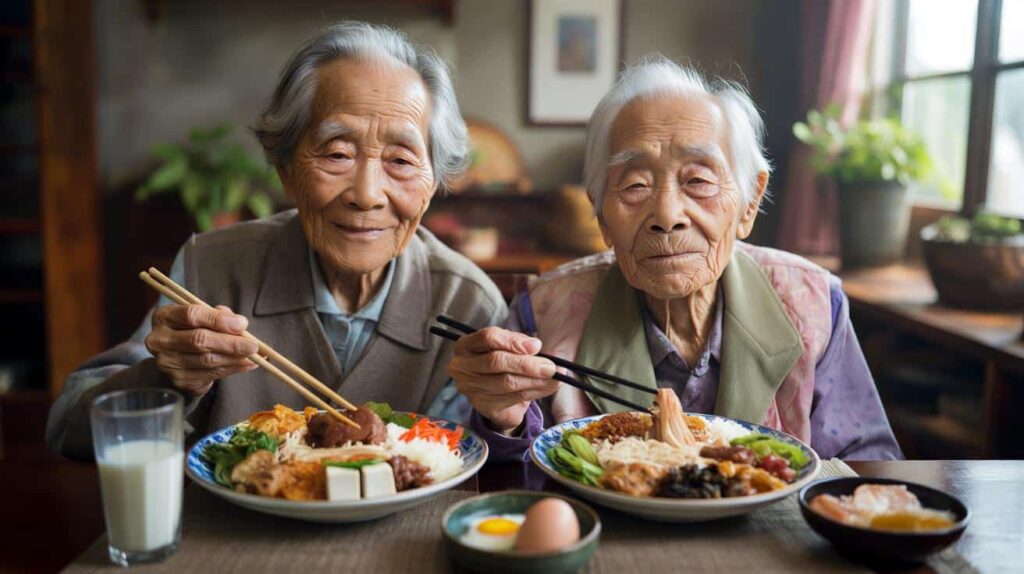
A new study suggests that older adults who incorporate some meat in their diet might have better chances of reaching 100 years of age, compared to those who completely eliminate meat from their meals. The outcome, however, varies depending on body weight, health status, and the type of “no meat” diet followed.
Study Findings: What the Research Reveals
The research was based on data from the Chinese Longitudinal Healthy Longevity Survey, which has tracked older adults across China since the late 1990s. The study examined over 5,000 individuals aged 80 and above, tracking who went on to become centenarians.
Upon analyzing eating habits, a noticeable pattern emerged: those who avoided meat were less likely, on average, to become centenarians. At first glance, this appears to challenge the notion that plant-based diets are linked to longer life and better health. However, the results were more complex upon further examination.

The Role of Body Weight
When body weight was factored in, the picture changed significantly. The lower chances of reaching 100 were only observed in underweight individuals who also did not eat meat. Among those who had a healthy weight, avoiding meat did not seem to affect their likelihood of living to 100.
This suggests that it isn’t about the absence of meat but rather about ensuring the body gets enough calories and nutrients when already in a fragile state.
How Aging Alters Nutritional Needs
Much of the research around diet and longevity has focused on middle-aged or younger adults. For these groups, plant-based diets are often associated with lower risks of heart disease, stroke, type 2 diabetes, and obesity. This is due to their high fiber content and lower saturated fat.
However, as individuals reach the age of 80, nutritional needs shift. Energy demands decrease due to less physical activity and muscle loss. Appetite tends to decrease, and changes in teeth, digestion, and taste often occur. At the same time, there is a higher need for protein, key vitamins, and minerals to maintain muscle mass, bone strength, and immune function.
By the time people reach their senior years, the focus of nutrition shifts from preventing long-term diseases to avoiding malnutrition, weakness, and rapid weight loss.
Where Plant-Based Diets Still Offer Benefits
The new findings do not diminish the well-established benefits of plant-based eating in younger adults. For those in their 30s, 40s, 50s, and even 60s, diets like the Mediterranean or vegetarian diet are linked with better heart health, lower blood pressure, and a reduced risk of several cancers.
The key difference is that dietary recommendations should not be static as individuals age. What helps prevent future heart attacks in midlife may not provide enough protein and calories for older adults who are frail, living alone, or struggling with appetite loss.
The Importance of Fish, Eggs, and Dairy
The study also explored older adults who avoided meat but consumed animal products like fish, eggs, or dairy. In this group, there was no apparent disadvantage in terms of reaching 100 years of age. These foods are rich in high-quality protein, vitamin B12, calcium, and vitamin D—nutrients crucial for muscle mass and bone health in older adults.
Even small amounts of these foods can significantly improve nutritional status in older age.
The “Obesity Paradox” in Older Adults
The findings align with the “obesity paradox” seen in other aging studies: while excess weight in midlife increases disease risk, a slightly higher body mass index in very old age is often linked with better survival. Being underweight at 80 or 90 is often an indicator of frailty or long-term health issues and signifies a lack of reserves if illness strikes.

Study Results: Diet, Weight, and Longevity
- Underweight + No meat: Lower chance of reaching 100
- Healthy weight + No meat: No clear difference from meat-eaters
- No meat but with fish, eggs, or dairy: Similar chances of reaching 100 as meat-eaters
Key Takeaways for Healthy Aging
The main takeaway is not that everyone over 80 should return to eating steak but that nutrition needs should align with one’s age and physical condition. In later life, the emphasis should be on keeping individuals strong enough to perform daily activities, like walking, climbing stairs, and recovering from illness. This means focusing on calorie intake, protein, and micronutrient consumption.
Critical Nutrients for Seniors
For older adults, certain nutrients become especially important:
- Protein – Helps preserve muscle mass and supports immune function.
- Vitamin B12 – Vital for red blood cells and nerve health; absorption decreases with age.
- Calcium – Essential for bone and tooth health.
- Vitamin D – Aids calcium absorption and muscle function, often low in housebound individuals.
Meat, fish, eggs, and dairy naturally provide many of these nutrients, though plant-based eaters can meet these needs with proper food combinations, fortified products, or supplements.
Can Vegans Live to 100?
The study does not suggest that vegans or strict vegetarians cannot reach 100 but rather highlights that, in the specific case of underweight individuals, those avoiding meat may face a higher risk of not reaching centenarian status. This is an observational study, so it can’t conclusively state that avoiding meat causes lower odds of living longer.
Older adults on strict plant-based diets might differ in other factors—such as income, access to healthcare, and cultural habits—that could affect their lifespan.
Practical Advice for Older Adults
Older adults can still thrive on a plant-based diet with careful planning and support from dietitians, especially if they consume fortified foods or animal-derived products like dairy, eggs, and fish. However, some may find it easier to maintain weight and strength by including modest amounts of animal products.
Diet Recommendations for Different Age Groups
| Age Group | Diet Focus | Key Concern |
|---|---|---|
| 30–60 years | More plants, less processed meat, moderate portions | Preventing chronic disease and weight gain |
| 60–80 years | Plant-forward with enough protein at each meal | Protecting muscle and heart health |
| 80+ years | Energy-dense, protein-rich foods, flexible rules | Preventing frailty, falls, and unplanned weight loss |
Risks of Strict Diets in Very Old Age
Being too strict with diets at 85 or 90 years old can lead to:
- Loss of muscle mass and strength
- Higher risk of falls and fractures
- Slower recovery from illness or surgery
- Chronic undernutrition leading to low mood
On the other hand, strategic additions like a glass of milk, beans, a boiled egg, or extra olive oil can significantly boost both calories and nutrient density with minimal effort.
Finding the Balance: Plant-Based, Meat-Based, or Something In-Between?
For many, the most realistic “longevity diet” combines plant-based meals with small amounts of fish, eggs, dairy, or meat. This approach allows for the benefits of plant foods without compromising nutritional needs in later life.

The study suggests that after reaching 80 and beyond, slightly heavier weight and less restrictive diets may improve the chances of reaching 100. The key is adjusting dietary habits to match age-related changes in the body, finding balance early, and making adjustments as the years pass.