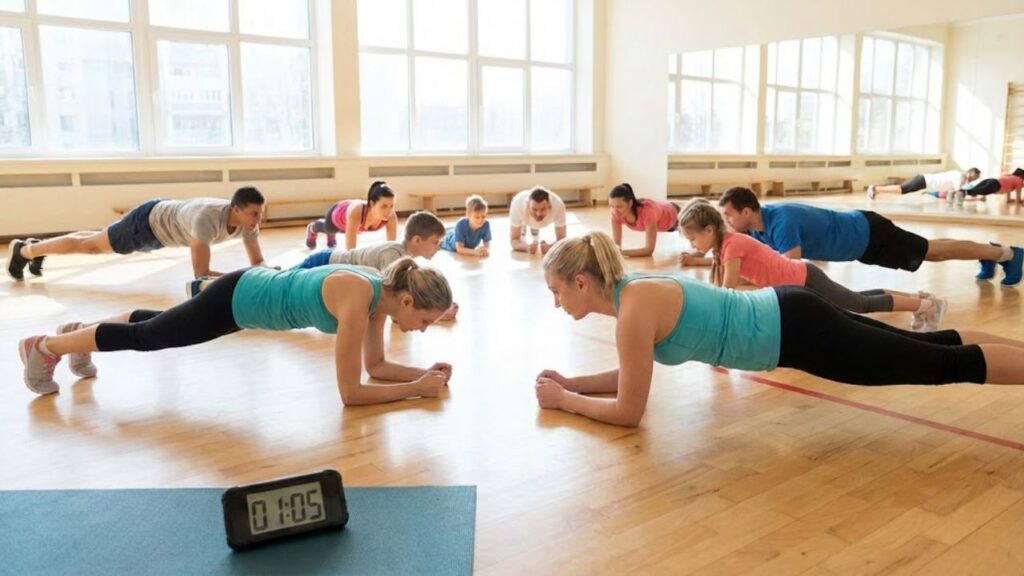
The floor feels cool under your forearms, your toes grip the mat, and your legs are engaged. As your breathing steadies and your core tightens, a question arises: “How long should I hold this plank?” Is it 10 seconds, 30, or that seemingly endless two minutes? While planks are an incredible workout, they are dynamic and their effectiveness evolves as we age. What feels manageable at 18 can feel challenging by 48 and even more demanding by 68. Your core supports your spine, protects your back, and allows for free movement—no matter your age. To determine the ideal plank hold duration, it’s important to assess how your body is functioning at the moment.
Understanding Plank Timing
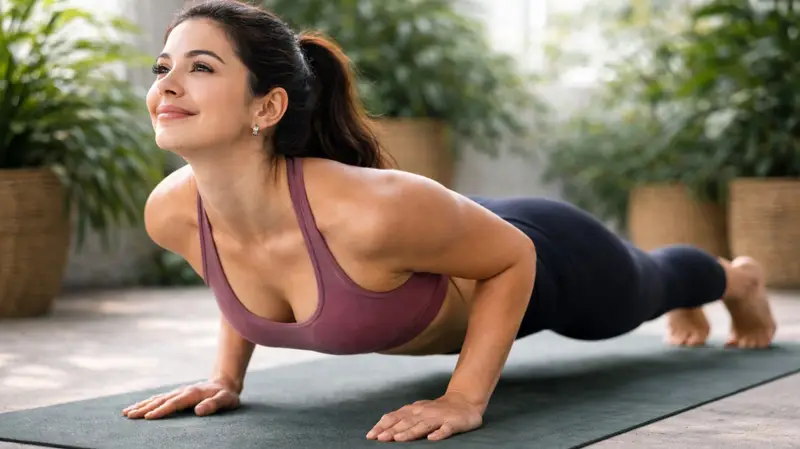
Unlike other intense workouts that rely on loud movements or heavy weights, planks are quiet yet effective. Your body forms a straight line, with your shoulders aligned over your elbows or wrists, heels extended back, and head naturally aligned. While planks might appear simple, internally, your body engages deeply. Stabilizing muscles, such as the transverse abdominis, tighten like a belt, the multifidus supports your spine, the diaphragm connects breath to effort, and the pelvic floor stabilizes from below. These muscles thrive with calm, controlled movements done regularly.
Why Quality Trumps Duration
While plank hold duration matters, it’s not the most important factor. A one-minute plank with bad form is less beneficial than a short, clean hold of just 20 seconds. Time is essential, but you should stop the moment your form begins to degrade—not when you’re feeling pain. This approach trains your body for optimal function, helping avoid unnecessary strain and injury.

The Myth of Long Planks
Fitness culture often celebrates extreme feats, like holding a plank for 2 minutes or completing long endurance challenges. However, these extended planks are less about building strength and more about enduring discomfort. Research and expert coaching suggest that short, controlled holds are far more effective for core strength and spinal health than long, occasional efforts. It’s about quality, not quantity.
 Plank Hold Timing Explained: The Ideal Plank Durations That Build Core Strength Based on Age
Adjusting to Your Age
As we age, the body’s response to exercise changes. Recovery slows, tissues stiffen, and balance requires more effort. A plank that was once easy may now feel difficult. This is a normal biological process, not a sign of weakness. For optimal results, it’s better to focus on flexibility and proper form than adhere strictly to one-size-fits-all guidelines.
Plank Hold Timing by Age Group
- Teenagers (13-19): 20–40 seconds, 2–4 sets, 2–4 days/week
- 20s–30s: 30–60 seconds, 2–4 sets, 3–5 days/week
- 40s: 20–45 seconds, 2–4 sets, 3–4 days/week
- 50s: 15–40 seconds, 2–3 sets, 2–4 days/week
- 60s–70s+: 10–30 seconds, 2–3 sets, 2–4 days/week
These ranges are simply guidelines. Listen to your body and adjust as needed.
Your 20s and 30s: The Strength Years
In your 20s and 30s, recovery is fast, tissues are strong, and your body adapts quickly. A hold lasting 30 to 60 seconds works best. At this stage, the primary risk is poor form—hips sagging, shoulders rising, or strain in your lower back. Shorter holds with controlled form are preferable to long, taxing efforts.

Your 40s: Stronger with Awareness
As you enter your 40s, your body begins to signal changes—old injuries or tightness may resurface. Planks in your 40s should last between 20 and 45 seconds, performed in multiple sets. Some days, a shorter hold might feel better; on others, you can push for a longer one. The key focus is on maintaining good posture and sustaining strength over time.
Your 50s and Beyond: Safe Strength
As you age, it’s essential to rethink what strength means. Muscle mass naturally decreases, and balance becomes trickier. However, planks remain valuable, even if the duration shortens. Holding a plank for 10 to 30 seconds with perfect form is incredibly effective. Consider modified planks, such as knee or incline variations, for added support. Each second spent in perfect alignment helps maintain your stability and posture.
Knowing When to Stop
Your body will tell you when it’s time to stop a plank. If your lower back sags, your shoulders become tense, your breath becomes shallow, or your face strains, it’s a clear sign to stop. Recognizing this moment is not about giving up; it’s about smart training. This approach helps your nervous system function optimally and avoids long-term breakdown.

Daily Planks: A Consistent Routine
You don’t need to go overboard with planks. Incorporating them at different times of the day—before coffee, after work, and before bed—can lead to impressive results over time. These small, steady efforts add up. It’s not about holding the longest plank; it’s about developing core strength, moving with confidence, and taking care of your body each day. Hold as long as it feels right, take a break, and repeat. This is how lasting core strength is built.