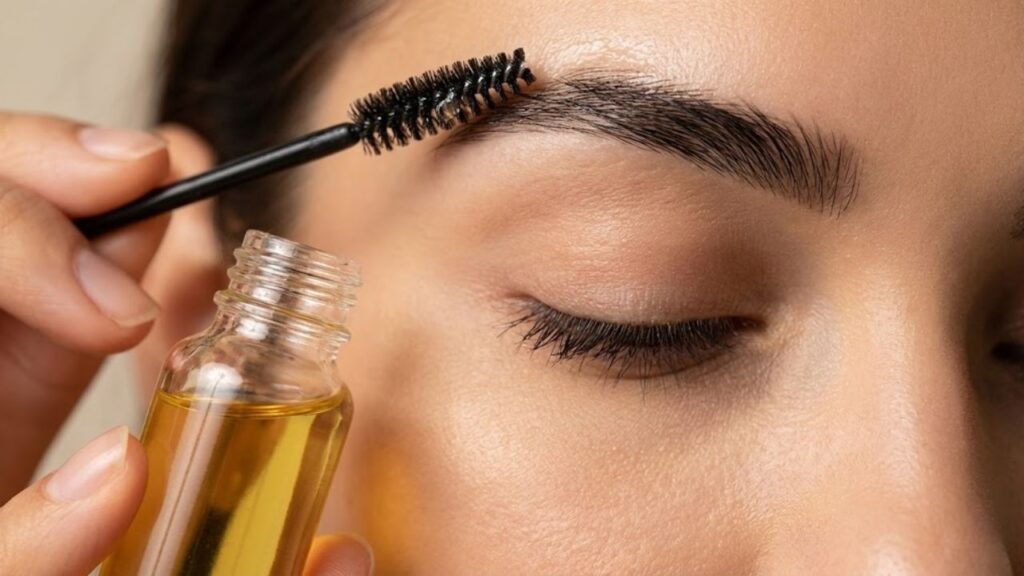
When you first hear the sound of your own eyelashes, it sounds like a quiet magic trick. On a windy night, if you lean close to a window or rub your eyes after a long day, you’ll hear it: a soft brush of sound, tiny bristles whispering against your skin. We usually forget about lashes and brows because they are so small and subtle. They look the same until one day. They don’t seem as full, dark, or bold as they did before. You stop and think, “When did my lashes get this sparse?” in the harsh light of the bathroom. My eyebrows used to be thicker. And all of a sudden, you’re looking for serums, pencils, gels, and anything else that promises big growth by next week.
The Slow Beauty of Ritual
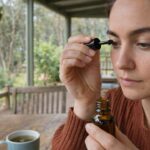
There is another way that is slower, quieter, and oddly satisfying. Castor oil is in a small amber bottle it. It is thick and golden and has a faint earthy smell not the shiny, silver-packaged “miracle serum,” but something that looks like it could be in a grandma’s medicine cabinet. Its story with lashes and brows isn’t very exciting; it’s just a simple plant oil made from castor bean seeds. It is based on being consistent, patient, and doing small things every day that feel like a kind of prayer for yourself.
Making a nightly routine
Think about the beat. The day is winding down, the house is quiet, and the screens are finally dim. You stand at the washbasin and do things you know how to do: warm water, soap and a towel. Makeup comes off like watercolour on paper. Then you get the extra minute you promised yourself. You reach for the bottle, roll the glass between your fingers, and watch the oil shine.
The Soft Science of Castor Oil
Many people are surprised by the texture of castor oil. It’s thick, like syrup, but when you warm it between your fingers, it loosens up and glides smoothly. Ricinoleic acid is the fatty acid that gives castor oil its weight and staying power. This is what makes it so rich. There isn’t much research on growth that is specific to lashes and brows, but what is known is useful: this oil keeps moisture in and protects delicate hairs from dryness, rubbing, and makeup stress. Think of each hair on your lashes and brows as a thread in a soft fabric. Every day, mascara, rubbing your eyes, makeup wipes, and harsh cleansers slowly break those threads. Castor oil doesn’t make new hair grow out of nowhere; it protects the hair you already have from breaking and falling out too soon.

The Strength of a Soft Massage
Touch is another quiet benefit. Putting on oil makes you more careful with your brows and lashes than usual. That gentle massage can help blood flow in the area and keep follicles healthy and comfortable, especially when it’s done as part of a soft routine every night.
How to Start a Brow and Lash Routine
Imagine the bathroom mirror, the quiet sound of a fan and the water going down the sink. This is where the ceremony starts step by step.
Step 1: Carefully take everything off
No mascara, brow gel or eyeliner left over on the lash line. Use warm water and a mild soap. Gently press a towel against your face—don’t pull—until your lashes and brows are clean and dry.
Step 2: Pick Easy Tools
You just need a clean mascara wand or cotton swab. If you use a wand more than once, wash it with mild soap every few days and let it dry completely. To avoid irritation, keep your tools clean for safety.
Step 3: Don’t dunk, pour
Put a small drop of castor oil on the back of your hand or a small dish instead of dipping tools into the bottle. This keeps the oil cleaner and less likely to get dirty.
 Lip Definition Trick: Liner Placement That Makes Lips Look Fuller Without Heavy Overlining
Step 4: Only use a little on your lashes
Lightly dip the wand and then wipe off the extra. Brush oil from the middle of your lashes to the tips while keeping one eye closed. Don’t soak the roots or waterline. Do the same thing to the other eye. If your lashes feel heavy, you’ve put on too much oil.
Step 5: Feed the Brows
With what you have left, gently comb oil through your brows in the direction they grow. You’re not styling; you’re just whispering food into each hair.
Seeing Change Over Time
Waiting is the hardest part. Natural routines don’t scream results. You might notice softness before length in the first few weeks. Lashes are less likely to break, brows are smoother, and makeup is easier to put on. There is no big reveal; just a quiet realisation one day: these feel better you might notice a little fullness after one to two months of gentle care. Not too much drama, but fewer gaps softer edges, and baby hairs that grow longer.
Daily Habits that Help the Ritual
Castor oil works best when used with other forms of care. Changes that are small matter:
- Only use lash curlers on clean lashes and not too often.
- To lower stress, take days off from wearing mascara and eye products.
- Don’t pluck your eyebrows too much and give them a break for growth.
- Use balm or oil cleansers to gently take off makeup without harsh chemicals.
- Feed your body from the inside out with healthy fats protein and water.
Making It Feel Like a Gift
When habits feel good, they stick around. Don’t make this ritual a chore; make it a break. Turn down the lights, enjoy the peace and quiet, and feel the oil’s weight in your hands. It’s not about being perfect; it’s about caring and being in a relationship.
Paying attention to your skin
You should even respect natural oils. Stop if you see redness, itching, or small bumps. Gently rinse and do it less often. Some people do well with castor oil every other night. Pick an oil that is pure and doesn’t have any scents. If you have sensitive eyes, talk to a professional for advice.
 9-Second Visual Challenge: Spot the 3 Differences Hidden in the Girl and Boy Shouting Image
Letting Your Natural Frame Come Back
Your face feels more like you when your lashes and brows get thicker. Some days, you might wear less makeup, use lighter touches, or skip products altogether. The change feels earned, like taking care of a small, private garden over time. Start with the most basic things.
 Spot the Difference Challenge: Test Observation Skills by Finding Changes in the Bear Puzzle Image