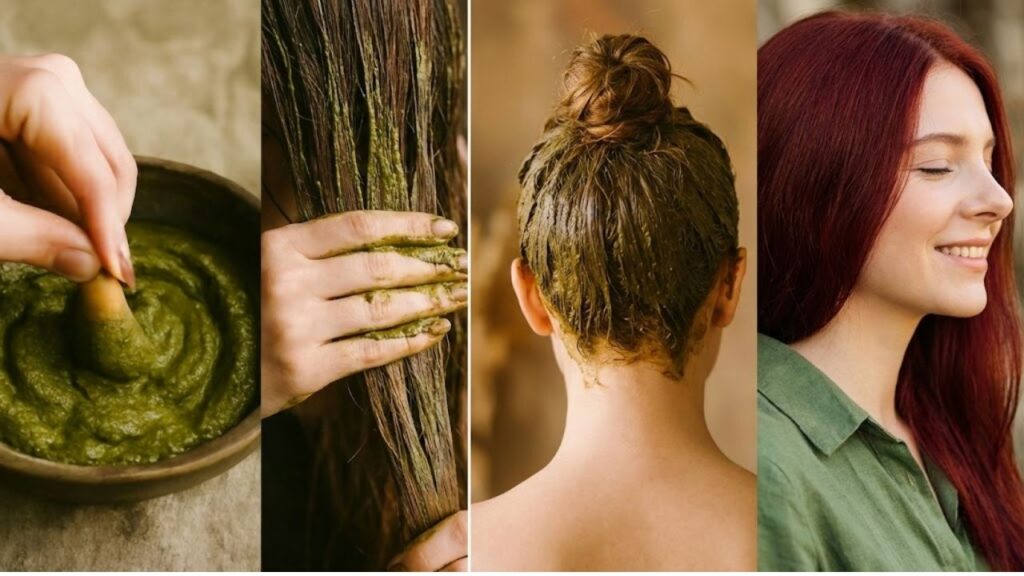
The first time I used henna to colour my hair, the entire kitchen carried a scent that reminded me of an old herbal shop. The air had the smell of damp earth and dried leaves, warm and unusual, almost like someone had poured hot water over fresh soil. A ceramic bowl sat on the counter filled with a thick, glossy green paste that looked like melted chocolate mixed with crushed plants. I paused for a moment with the spoon above the bowl, wondering if this muddy mixture could really compete with the bright boxes of chemical hair dye at the store. Eventually, I dipped the brush into the paste, parted my hair, and slowly spread it through my strands. The henna felt cool and heavy on my scalp, almost like a soothing face mask. It stained my fingers and hair, and later it completely changed how I viewed beauty and hair care.
Why Henna Still Feels Special in a Chemical World
Choosing hair dye in a modern store can feel overwhelming because of the strong chemical smells, bold promises, and tiny warning labels. Many people accept ammonia, peroxide, and synthetic ingredients as the price for achieving the perfect colour. Henna offers a completely different experience. It comes from the Lawsonia inermis plant and has been used for thousands of years to naturally colour hair, skin, and fabric. When mixed with warm liquid, the lawsone pigment slowly releases and binds with keratin in the hair. Instead of stripping the hair, henna coats each strand with a translucent layer of colour, leaving hair stronger, shinier, and healthier. The scent is earthy and natural, more like leaves and herbal tea than artificial perfume, turning hair colouring into a calm ritual instead of a rushed task.
Choosing Pure and High-Quality Henna
Quality is the most important factor when working with henna. Genuine henna should be a pure powder suitable for body art and completely free from metallic salts or synthetic dyes. Many problems occur with so-called “compound hennas,” which often contain hidden chemicals. Good henna feels soft and finely sifted, smells fresh and grassy, and never sparkles or carries an artificial scent. Freshness is also essential because henna gradually loses its staining power over time. Reading labels carefully and buying from responsible sources becomes part of the process. You are not simply buying a hair colour; you are choosing a plant grown in sunlight and soil, harvested carefully, and ground into powder. Treating henna as a natural product helps it perform better and gives the hair a deeper, richer appearance.
Creating a Simple Henna Application Kit
Using henna does not require expensive tools. A simple setup includes a bowl made of glass, ceramic, or stainless steel, a spoon, gloves, an applicator brush, plastic wrap, and an old towel. Reactive metals should always be avoided, and protective gloves and clothing are essential. More important than tools is patience. Henna works slowly, releasing its dye over several hours rather than minutes. The process feels more like preparing a slow-cooked recipe than applying instant chemical dye. Taking time with each step makes the experience more enjoyable and often leads to more satisfying results.
 The Ordinary New Serum Nicknamed Filler in a Bottle Gave My Skin a Youthful Look in My 40s
Traditional Henna Recipe for Warm Copper Shades
The most basic recipe creates warm copper tones. Mix pure henna powder with strong warm tea until the mixture reaches a yoghurt-like consistency. If your scalp tolerates mild acidity, a small amount of lemon juice or apple cider vinegar can be added to help release the dye. Allow the mixture to rest for four to eight hours until the colour deepens. Apply the paste to clean hair, wrap the hair securely, and leave it on for two to four hours. After rinsing, the colour may initially appear bright orange, but within a few days it gradually settles into a more natural copper or auburn shade depending on the original hair colour.
Creating Auburn and Brown Tones with Plant Blends
Henna shades can be softened or deepened by blending it with other plant powders. Mixing henna with amla reduces the brightness and produces cooler auburn tones while also improving hair texture. For brown or chocolate shades, the most reliable method is a two-step process. First apply henna to create a red base, then follow with indigo to darken the colour. This approach provides greater control and more consistent results, especially on light or medium hair. The combination can produce colours ranging from chestnut brown to almost black.
Common Natural Additions Used with Henna
Amla powder softens strong red tones into cooler auburn shades while also adding body and thickness to the hair.
Indigo powder deepens henna into dark brown or nearly black tones and is often used for covering grey hair.
Cassia, sometimes called neutral henna, adds a soft golden glow with minimal colour change, making it ideal for blonde or light hair types that want extra shine.
Coffee or black tea adds subtle depth and richness to the final shade, especially on medium to dark hair.
Chamomile tea brings gentle golden warmth and brightness to lighter hair colours.
Aloe vera gel improves moisture and creates a smoother paste, making it beneficial for dry or curly hair.
Essential oils such as lavender or rosemary improve the scent and may help soothe or stimulate the scalp.
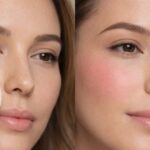 Blush after powder technique creates softer more natural makeup finish loved by professional artists
Henna Gloss for Subtle Colour and Shine
A henna gloss is a gentle option for those who prefer a softer result. It is made by mixing a small amount of prepared henna paste with a silicone-free conditioner and applying it like a hair mask. The mixture is left on the hair for about forty-five to ninety minutes before rinsing. This method adds light warmth, soft highlights, and extra shine without dramatically changing the hair colour. It also serves as a simple way to experiment with henna before committing to a full treatment.
Building Your Ideal Shade Through Layers
Henna colour develops gradually. Each application deepens the tone while adding shine and richness. Light hair often becomes golden copper, medium hair can shift toward chestnut or auburn, and dark hair usually reveals subtle red reflections in sunlight. Grey strands do not disappear entirely but instead transform into warm highlights that blend naturally with the rest of the hair. Because henna fades slowly, it is best to begin with lighter applications and gradually deepen the colour over time.
Safety Steps, Patch Tests, and Hair History
Even natural dyes require caution. A patch test should always be performed before every application. Apply a small amount of paste to the skin, rinse it away, and observe the area for twenty-four to forty-eight hours. If your hair has previously been treated with chemical dyes, especially those containing metallic salts, extra care is necessary. Pure henna is generally safe, but low-quality products may cause unpredictable reactions. Protect the hairline with oil, keep the room ventilated, and allow enough time for the process so you do not rush.
Aftercare and Long-Lasting Results
Rinsing henna can take patience, but warm water and gentle massaging usually remove the paste completely. Many people avoid shampooing for the first twenty-four hours so the colour can fully develop. Over the next few days the shade deepens and stabilises. Henna colour tends to last a long time, especially when hair is washed gently and harsh sulphates are avoided. Occasional root touch-ups or gloss treatments help maintain an even colour while keeping the hair strong and glossy.
The Natural Strength of Plant-Based Hair Colour
Henna works with the natural qualities of the hair rather than fighting against them. Grey strands become highlights, and subtle colour variations create a more natural look. Choosing henna is often a quiet decision to step away from harsh chemicals and unrealistic beauty standards. It encourages patience, connection with natural ingredients, and a slower approach to self-care. The final result may not resemble a perfectly uniform salon shade, but it becomes a living colour that shifts with light, time, and nature.