People often talk about rebuilding muscle after 55 as if it’s something completely different from building muscle earlier in life. In reality, the body doesn’t see a difference. At any age, muscles respond to tension, effort, and repeated movement. When you challenge them consistently, they adapt and grow stronger. The approach simply becomes smarter with age, focusing on joint-friendly movement and balanced training volume, while the core principles remain exactly the same.
Why Compound Exercises Matter More After 55
Most of the real progress comes from compound exercises. Movements that involve several joints and large muscle groups create far more stimulation than exercises that isolate a single muscle. These exercises force your body to move, stabilize, and generate power all at once. This type of training not only rebuilds muscle but also improves balance, coordination, and overall movement quality.
Another important factor people overlook is repetition range. Too few reps often fail to challenge the muscle long enough, while too many can increase fatigue and slow recovery. A moderate range, usually around 8 to 12 repetitions per set, creates an effective balance. This allows you to train consistently without excessive soreness, which becomes especially important as recovery naturally changes with age.

Consistency is what ties everything together. Training doesn’t have to leave you exhausted every day. What matters is showing up regularly, performing controlled and effective repetitions, and letting progress build gradually over time. The exercises below are excellent for restoring strength and maintaining muscle function after 55.
Push-Ups
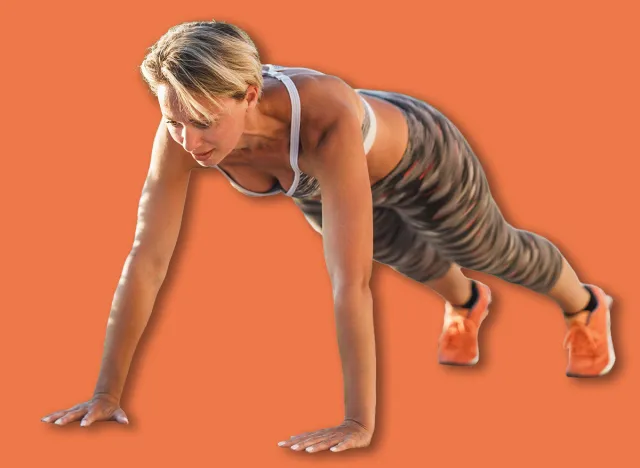
Push-ups remain one of the most effective upper-body exercises you can perform anywhere. They strengthen the chest, shoulders, and arms while forcing the core to stay engaged during every repetition. Each rep improves shoulder stability and trunk control, which plays a big role in posture and joint health. Push-ups are also easy to modify, making them perfect for consistent daily practice.
How to Do It:
Place your hands directly under your shoulders and move into a plank position.
Brace your core and squeeze your glutes to stabilize your body.
Lower yourself slowly toward the floor with control.
Keep your elbows at a comfortable angle from your torso.
Push through your hands to return to the starting position.
Lunges
Lunges train each leg individually, helping improve balance, coordination, and joint stability. They strengthen the hips, thighs, and core while correcting strength differences between both legs. This movement closely mirrors everyday actions such as climbing stairs or stepping forward, which makes it extremely functional. When performed with good technique, lunges also help maintain healthy knee and hip mobility.
How to Do It:
Stand upright with your feet about hip-width apart.
Step one foot forward while keeping your torso tall.
Lower your body until both knees bend comfortably.
Push through the front heel to return to standing.
Alternate legs with each repetition.
Pull-Ups
Pull-ups are excellent for restoring pulling strength that naturally declines with age. They strengthen the upper back, arms, and shoulders while improving overall posture. Even assisted versions provide a powerful muscle-building stimulus. Pull-ups also develop grip strength, which is extremely useful for everyday tasks.
How to Do It:
Grip a pull-up bar with your palms facing toward you.
Hang while keeping your shoulders engaged.
Pull your chest upward toward the bar.
Pause briefly at the top of the movement.
Lower yourself slowly and under control.
Deadlifts
Deadlifts are one of the best exercises for rebuilding strength in the hips and lower back. They teach proper lifting mechanics, which helps protect the spine during daily activities. Because this exercise recruits several major muscle groups at once, it is both efficient and highly effective. Deadlifts also strengthen the core and improve grip endurance.
Muscles worked: glutes, hamstrings, lower back, and core.
How to Do It:
Stand with your feet about hip-width apart.
Hinge at your hips while keeping your spine neutral.
Grip the weight firmly.
Drive through your heels to stand upright.
Lower the weight back down slowly and with control.
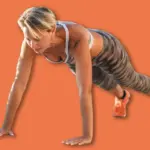 5 daily exercises trainers say rebuild muscle strength faster than gym routines after age 55
Squats
Squats are one of the most valuable lower-body exercises for maintaining strength and independence after 55. They strengthen the hips, thighs, and core while improving coordination and mobility. Squats also train the body to perform daily tasks like sitting down, standing up, and lifting objects safely. Practicing squats regularly helps maintain stability and confidence in movement.
Muscles worked: quadriceps, hamstrings, glutes, and core.
How to Do It:
Stand with your feet slightly wider than hip-width apart.
Push your hips back while lowering your body.
Keep your chest lifted as you descend.
Drive through your heels to return to standing.
Fully extend your hips at the top of the movement.
Habits That Help Restore Muscle After 55
Training alone isn’t enough to rebuild muscle effectively. Daily habits that support recovery and adaptation play a major role. Muscle restoration happens gradually through consistent effort and smart lifestyle choices. The goal is steady progress that can be maintained long term.
Protein intake: Include protein with every meal to support muscle repair and recovery.
Quality repetitions: Focus on controlled, precise movements rather than simply lifting heavier weights.
Training frequency: Short, consistent workouts performed regularly are more effective than occasional long sessions.
Recovery routines: Gentle movement, stretching, and mobility exercises help maintain consistency and prevent stiffness.
Patience: Muscle rebuilding takes time. Consistent effort over weeks and months produces reliable results.

When these habits are combined with the right exercises, rebuilding muscle after 55 becomes a realistic and sustainable process.