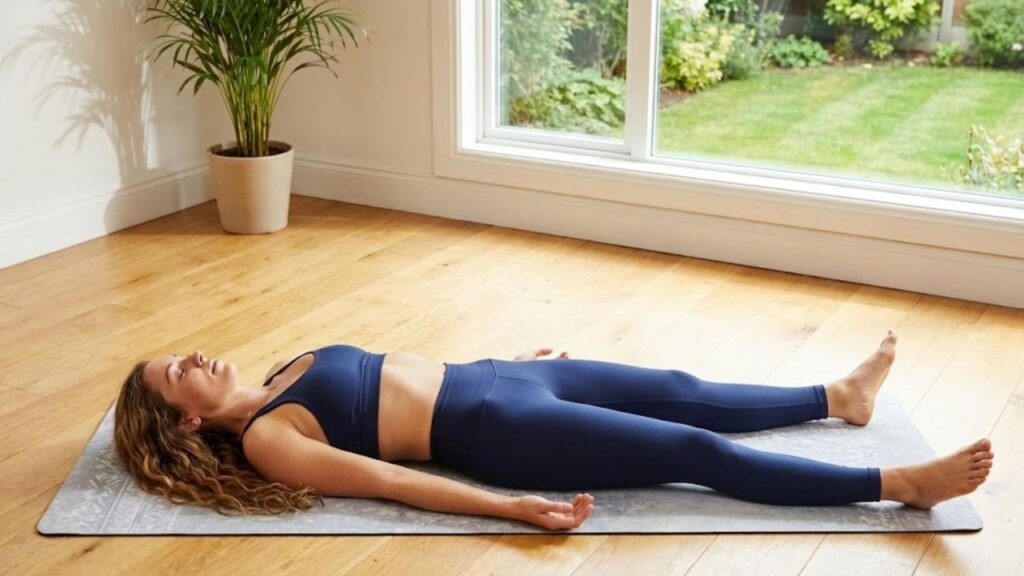
A lot of people have trouble sleeping well these days. We spend too much time on screens and dealing with stress. Our daily lives are all over the place, and our minds never seem to stop racing. When night falls, all of this makes it very hard to relax. This is a problem that can be fixed with yoga. Before bed, you don’t have to do anything hard or intense. The opposite is actually better. Slow stretches and gentle movements are what really help you sleep.
Three easy yoga poses
You need to relax your body and calm down your nervous system. You should also tell your brain to stop thinking and start resting. I’m going to show you three yoga poses that are great for sleeping. They help you breathe more slowly and relax the muscles that are the most tense. They also help calm down all the thoughts that are racing around in your head. You don’t need to have done yoga before to do these poses. You can do them right before you go to bed in your bedroom
How yoga can help you sleep better
A nervous system that won’t calm down is a common cause of sleep problems. It’s almost impossible to fall asleep when your body is always on high alert. Gentle yoga can help your body go from being stressed to being relaxed. Slow stretches help to loosen up tight areas in your hips, lower back, and spine, which are where stress usually builds up. Breathing exercises make your heart beat slower and prepare your mind for sleep. Calming yoga on a regular basis can help you sleep longer, wake up less often during the night, and feel more rested in the morning.

Legs Up the Wall
Legs Up the Wall is a great yoga pose that helps you relax before bed. It is gentle and healing, and you don’t have to do much to do it. How to do it: Sit next to a wall and slowly lie down on your back while lifting your legs. Get your hips closer to the wall, but stay in a position that feels good. Let your arms hang down at your sides with your palms facing up. Take a deep breath and close your eyes. Why it helps you sleep: This pose naturally slows down your heart rate and makes you breathe more deeply. It makes you feel less physically tired and gives you a sense of safety and support all over your body. How long to stay: Stay in this position for 2 to 5 minutes while breathing slowly through your nose. If your lower back feels tight, try moving your hips a little farther away from the wall or bending your knees a little to let go of the tension.

Seated Forward Bend
The Seated Forward Bend is a relaxing pose that stretches your back and helps you focus on yourself.
How to do it: Sit on the floor and put your legs out in front of you. Breathe in and straighten your back. Take a deep breath and slowly bend forward from your hips. If it feels better, you can keep your knees slightly bent. Let your head and neck hang loose.
Why it helps you sleep: Bending forward naturally calms your mind. This pose loosens up your lower back and the backs of your legs, which helps your body relax before bed.
Stay in this position for 1 to 2 minutes and breathe slowly.
If you need more comfort, put a pillow on top of your legs or a folded blanket under your hips.
Pose of the Dead
Corpse Pose is a common pose at the end of yoga classes that helps you relax deeply and clear your mind. How to do it: Put your body flat on the ground and lie on your back. Let your feet naturally fall apart and put your arms at your sides. Close your eyes and let your body relax into the floor or bed.
Why it helps you sleep: This position lets your body and mind relax completely. It lets go of any muscle tension that is still there and helps you clear your mind so you can fall asleep more easily. How long to stay: You should stay in this pose for 3 to 7 minutes, or until you feel completely relaxed. Tip: Pay attention to your breathing and slowly count each breath out from one to ten.
How to do these poses as part of your bedtime routine
You should practise these poses in a quiet place with low lighting for the best results. Don’t look at screens or bright lights right before you start. You can follow this simple order. A quick bedtime routine: Do Seated Forward Bend first, then Legs Up the Wall, and finally Corpse Pose. The whole routine will take about 7 to 10 minutes. Instead of worrying about how far you can stretch, focus on breathing slowly.
Breathing method to help you sleep better
Yoga and Breath Awareness Together When you do yoga and pay attention to your breathing at the same time, you get more out of your practice. One easy way to do this is to breathe in while counting to four and then out while counting to six. When you breathe out for longer than you breathe in, your brain gets a signal that it’s time to relax and calm down. As you practise make sure your breathing stays easy and gentle, not forced or strained.
Easy habits that help you sleep better
When you do yoga with good evening routines, you get better results. Eat dinner at least two hours before you plan to go to bed. Don’t drink caffeine in the late hours. For the best sleep your bedroom should be cool and dark. Try to get into bed at the same time every night. You can see big changes over time by doing just one simple pose every day.

Who should be careful
If you have high blood pressure, circulation problems, or a spinal injury, take it easy and don’t stay in inverted positions for long periods of time. Pregnant women should change how they do forward bends and talk to a doctor if they aren’t sure. You don’t need to take medicine or follow complicated routines to get better sleep. A few minutes of gentle yoga can help your body relax on its own. These three poses are simple, useful, and something you can do every night. I can make you a full 10- or 15-minute sleep yoga routine that fits your bedtime if you want.