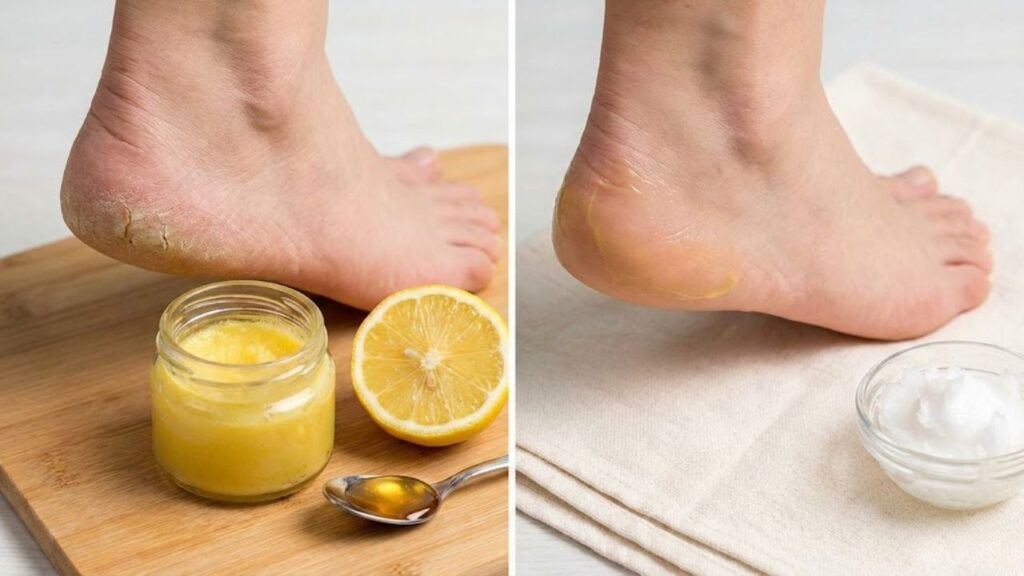
Cracked Heels often begin so quietly that most people barely notice them. At first the cracks appear as faint white lines stretching across the heel, similar to patterns you might see on dry ground after the water disappears. In the beginning they rarely cause pain so it is easy to ignore them. Many people assume the dryness came from walking barefoot at home or from wearing open sandals too often. Over time however things slowly change. One morning when you step on the floor after waking up you may feel a rough sensation under your heel along with a slight sting. The tiny cracks that once seemed harmless may now feel deeper and slightly tender. Sometimes the rough edges even catch on your socks.
Quick Healing Routine for Dry Cracked Heels
A small realization usually follows that your feet need attention. Cracked heels rarely appear overnight. They develop gradually while we stay busy with daily routines. Often we only notice them once the discomfort begins to interfere with walking or standing. Every step then becomes a reminder that our feet have been working hard without proper care. Our heels carry the weight of our bodies throughout long days of movement. The encouraging part is that you do not always need expensive treatments to restore comfort. Many helpful remedies already exist inside your kitchen cabinets. Common household ingredients stored in jars and bottles can provide gentle relief. Caring for your heels can become a calming end-of-day habit. Simple combinations of oil, honey, milk and salt can soften rough skin and help small cracks recover naturally over time.
The Message Behind Dry Cracked Heels
Your heels experience more pressure than most parts of your body. Every step places impact directly on them especially when you walk long distances or stand for extended periods. Because heels are not easily visible we often forget to check their condition. You might feel rough skin during a shower but quickly move on without treating it. Over time the skin records everything it experiences. Cracked heels often develop when skin loses moisture while facing repeated pressure and friction. Walking barefoot on hard floors, wearing thin-soled footwear or open-back sandals can all contribute to dryness and splitting.

Environmental factors also play a role. Hot showers, cold weather and indoor heating systems slowly remove moisture from the skin. Heel skin is naturally thick so it can absorb pressure while walking. However when it becomes excessively dry it loses flexibility. Instead of bending smoothly it begins to split and form visible cracks. Fortunately the skin has a natural ability to repair itself. When you support that process with hydration, protection and gentle care the recovery can happen faster than many people expect.

Simple Kitchen Ingredients That Support Heel Care
Many everyday kitchen items contain properties that benefit dry skin. Oils used for cooking can also act as excellent moisturizers. Honey naturally attracts moisture and calms irritated areas. Milk and yogurt contain mild acids that soften rough layers of skin. Sugar and salt provide gentle exfoliation when combined with oils. Using these ingredients feels comforting because they are already familiar and easy to access. Understanding what each ingredient does can help you choose the right combination for your foot care routine.
| Natural Ingredient | Heel Care Benefits | Recommended Use |
|---|---|---|
| Olive Oil or Coconut Oil | Deeply hydrates dry skin and softens hardened heel areas | Night massage or base ingredient for homemade scrubs |
| Honey | Draws moisture into skin while calming irritation and supporting repair | Healing mask blended with warm milk or natural oil |
| Milk or Yogurt | Softens dead skin using gentle natural lactic acid | Foot soak or soothing softening mask |
| Sugar or Salt | Removes rough surface layers and smooths uneven skin texture | Exfoliating scrub used after soaking feet |
| Banana or Avocado | Provides vitamins and healthy fats for deep nourishment | Thick moisturizing mask for very dry heels |
A Relaxing Evening Care Routine for Cracked Heels
Think of this routine as a quiet moment at the end of your day. When your evening slows down you can spend a few minutes giving attention to your feet.
Step 1 Warm Milk and Salt Foot Soak
Fill a small basin with comfortably warm water. Add half a cup of milk, one or two spoons of salt and a small drizzle of olive oil. Place your feet into the mixture and allow them to soak for around ten to fifteen minutes. Warm water relaxes the skin while milk softens dry areas and oil begins restoring lost moisture.
Step 2 Gentle Exfoliating Scrub

Mix sugar or fine salt with olive oil or coconut oil to form a thick paste. Massage the mixture slowly onto your heels using gentle circular movements. Focus on rough areas but avoid aggressive scrubbing since sensitive skin responds better to mild pressure. After exfoliating rinse your feet with warm water.
Step 3 Honey and Yogurt Moisture Mask
Combine one tablespoon of honey with one tablespoon of yogurt and add a few drops of natural oil. Apply the mixture to cracked areas and allow it to rest on the skin for ten to fifteen minutes. This mask provides hydration while calming irritated skin. Rinse gently with water and pat your feet dry with a clean towel.
Overnight Oil Treatment for Deeper Repair
Before going to sleep apply warm olive oil or coconut oil generously to your heels. Massage it slowly into the skin for several minutes so the moisture absorbs properly. After applying the oil wear clean cotton socks. The socks help seal the moisture overnight while preventing the oil from spreading onto bedding. By morning the skin often feels noticeably softer and smoother.
Daily Habits That Prevent Heel Cracks
Once your heels recover it becomes easier to keep them healthy by following a few simple habits. Apply moisturizer after bathing, avoid extremely hot water and choose supportive footwear whenever possible. Staying hydrated throughout the day also supports skin health. When dryness begins to appear treating it early prevents deeper cracks from forming.

When Professional Care May Be Needed
Sometimes home remedies are not enough especially if heel cracks become deep, painful or begin to bleed. In such situations professional advice may be necessary. A doctor or podiatrist can examine the skin and determine whether an underlying condition is slowing the healing process. While natural remedies provide comfort, medical guidance ensures proper treatment when the situation becomes more serious. With the right care and attention most cracked heels gradually recover allowing your feet to remain comfortable and ready to support your daily activities.