Aromatherapy lotion for stress relief is a good option if you want a simple, sensory way to deal with daily stress. More and more people have started using scented moisturisers not just to keep their skin moist, but also as part of a mindful self-care routine. There has been more of a connection between skincare and mental health lately. For example, lotions with lavender or eucalyptus in them are more than just scented creams; they can also help you relax for a short time.
You don’t need to go after rare ingredients or expensive brands. Instead, think about how easy it is to fit into your routine, how consistent it is, and what scent you like best. If you’re a normal user, you don’t need to think too much about this. Just pick a lotion with calming essential oils like lavender, bergamot, or spearmint, stay away from heavy synthetics if you have sensitive skin, and use it carefully, like after a shower or before bed. This piece isn’t for people who collect keywords. It’s for people who will really use it.
Aromatherapy Lotion for Stress Relief: What You Need to Know
Aromatherapy lotion combines moisturising ingredients like essential oils that are known to help you relax. These lotions are different from regular body lotions because they are made to smell good, which is a direct link to the limbic system, which controls mood and emotion. Not to treat anxiety, but to help you take a break in the middle of a busy day.
Some common uses are:

- Nighttime wind-down: Putting on lotion with lavender or chamomile before bed.
- Midday reset: Rubbing a small amount on your wrists or neck during work breaks.
- Post-shower mindfulness: Using the lotion as a tactile, sensory ritual.
You can find these lotions in pump bottles, jars, and travel tubes. They may say “stress relief,” “calming,” or “relaxing” on them. The active part isn’t a drug; it’s a psychological one. The smell brings back memories, makes you think of things, and changes your breathing or focus in small ways.
The Rise of Aromatherapy Lotion
Recently, there has been a cultural shift toward incorporating wellness into daily life, which some people call “micro-self-care.” People aren’t waiting for spa days or therapy sessions to feel better. Instead, they’re making small, repeatable habits that make them feel safe and in control. Aromatherapy lotions are a great fit for this trend because they are easy to find, cheap, and don’t need any special training to use.
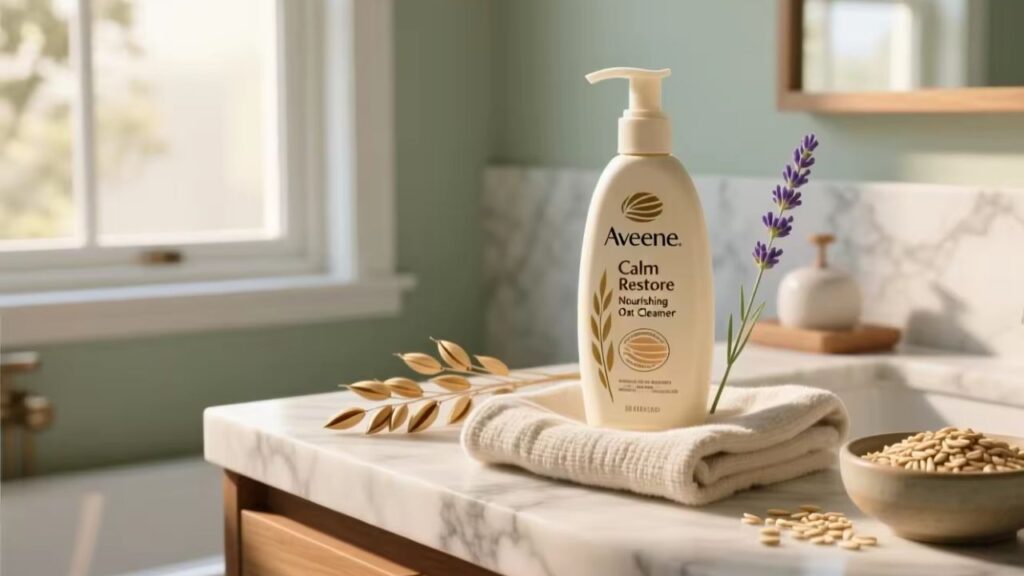
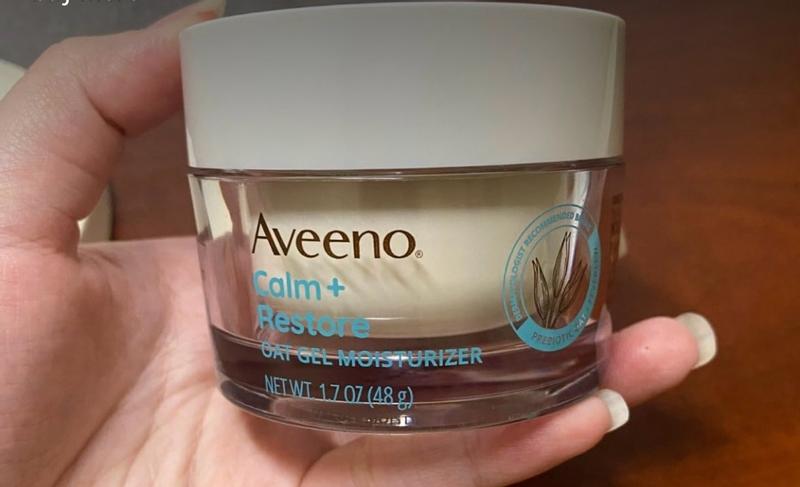
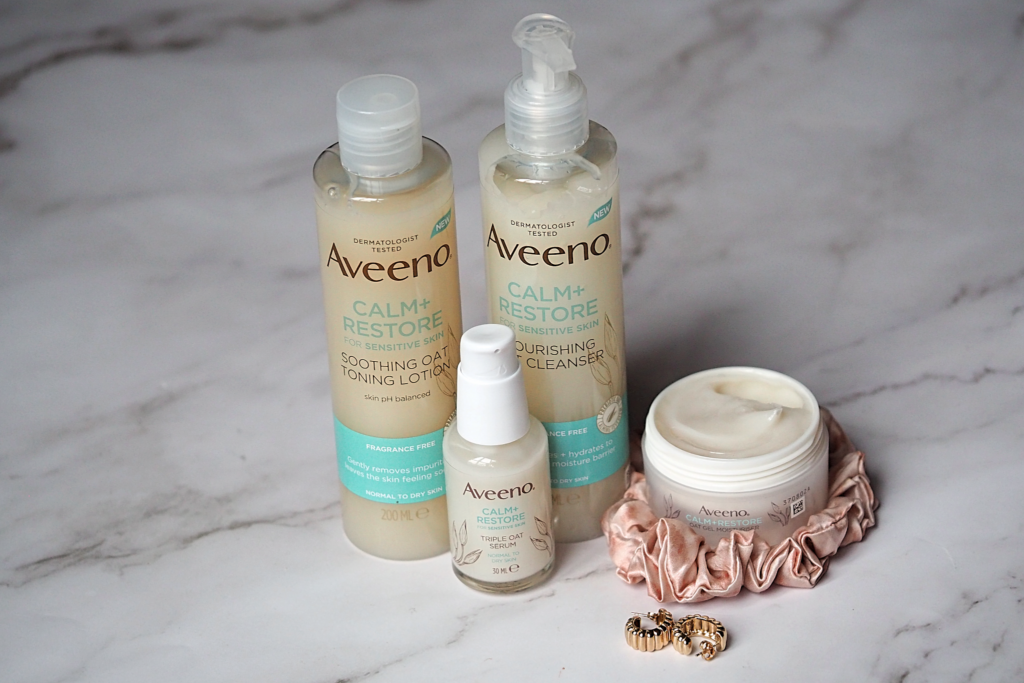
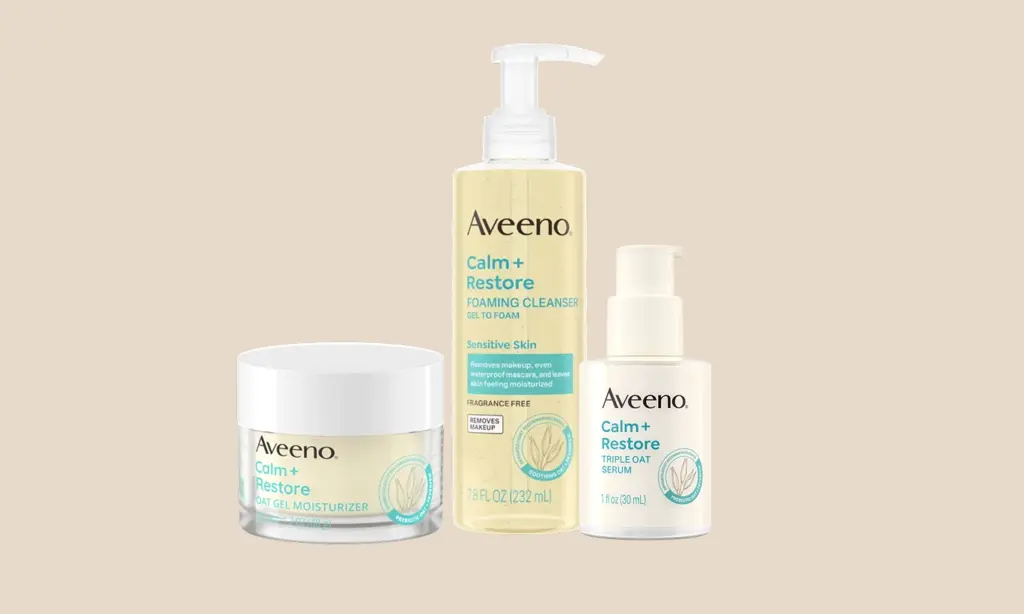
This rise isn’t just a rumour. According to retail data, brands like Bath & Body Works, Dr. Teal’s, and Aveeno 1 have seen more sales in personal care lines that focus on stress. Not all products work the same way, but the ritual itself is important. Putting on lotion slowly—feeling the texture, smelling the scent, and noticing the warmth—breaks the cycle of stress for a short time.
If you’re like most people, you don’t need to think too hard about this: popularity is based on real demand for useful tools, not marketing hype.
Different Ways and Approaches
Different stress-relief lotions work in different ways. Here are the main types that you can get:
| Type | How It Works | Pros | Cons |
|---|---|---|---|
| Uses of Lavender-Based Lotions | Lavandula angustifolia oil has been shown in many studies to help people relax. | Well-studied, nice smell, and not too greasy most of the time | Some people may be sensitive to it; not everyone likes floral notes. |
| Blends of eucalyptus and spearmint | A crisp, cool feeling that helps you stay calm and alert | Good for use during the day; it gives you energy but also calms you down. | Might be too strong for people with sensitive skin or noses |
| Formulas with CBD | Contains cannabidiol and works with the endocannabinoid system | Possibility of a more profound physiological effect 2. | Higher cost, different laws, and not enough long-term research |
| Calming Lotions Without Fragrance | Not scent, but texture and routine | Good for people who are sensitive to scents; simple design | Doesn’t help with aromatherapy; only works by forming habits |
If you are sensitive to smells, whether they are good or bad, it is important to choose the right category. If you just want to take a break from your day, any regular use of a product will help, even unscented cream if you use it on purpose.
Person rubbing olive oil into their hands
Massage makes aromatherapy more effective by adding a physical element to it and making it more relaxing.
Important Features and Specifications to Look At
When looking at different choices, pay attention to these measurable traits:
- Essential Oil Type: Lavender, bergamot, ylang-ylang, clary sage, and jasmine are the oils that are most closely linked to relaxation 3.
- Base Ingredients: Look for carriers that are good for your skin, like shea butter, aloe vera, vitamin E, or jojoba oil. These make your skin feel better and help the moisture last longer. If you have sensitive skin, stay away from parabens, phthalates, and artificial fragrances.
- Sustainability Markers: Labels that say “cruelty-free,” “organic,” or “fair-trade” may be in line with your values, but they don’t change how well the product works.
- Texture and Absorption: For daytime use, fast-absorbing formulas work best. For nighttime use, richer creams work best.
When it matters: if you have dry or sensitive skin, the base ingredients are more important than the scent. When you don’t need to think too much about it: if you only use it on your hands or arms once in a while, small changes in the formula won’t make a difference in how well it works.
Pros and Cons
Pros:
- Makes a habit of taking care of yourself that you can do over and over again
- Involves more than one sense (touch, smell) to make you more present
- Not as expensive as other health tools
- Most people don’t have any side effects when they use it on their skin.
Restrictions:
- Effects are small and don’t last long
- Not a replacement for professional mental health help
- People have very different preferences when it comes to scents.
- Some essential oils can irritate the skin.
Best for: people who want to add mindfulness to their daily lives without putting in a lot of effort. Not as helpful for people who want their mood to change right away or in a big way.
How to Pick Aromatherapy Lotion to Help You Relax
Use this step-by-step guide to help you make a good choice:

- Find out what your main use case is: Is it before sleep? Break at work? Cool down after working out? Match the scent to the time of day (for example, lavender for night and citrus for morning).
- Check to see if the ingredients are clear: Not just “fragrance,” but also the botanical name of essential oils is listed by reputable brands.
- Check to see if your skin is compatible: Put on a little bit first. Some essential oils, like citrus, can make you more sensitive to the sun.
- Put usability first: A lotion that you will use is better than one that is “perfect” but you don’t. Think about using pump bottles to make things easier.
- Don’t pay extra for “clinical strength” or “doctor-formulated” unless you can see proof that they work.
You don’t need to overthink this if you’re a normal user. Just start with a mid-range, well-reviewed option like Aveeno or Dr. Teal’s and see how your body reacts.
Hands pouring olive oil into a bowl for a massage
Using natural oils as carriers makes them better for the skin and helps the environment.
Insights and Cost Analysis
Prices vary a lot, but effectiveness doesn’t always go up with price:
| Brand Tier | Example Products | Average Price (8 oz) | Value Assessment |
|---|---|---|---|
| Money | Dr. Teal’s Simple Treasures | $3–10 | High quality; simple but effective formulas. |
| Middle | Aveeno, Bath & Body Works | $10–$20 | a good mix of quality and ease of access |
| Aveda, aromatherapy associates | – | $30–55 | niche appeal; high prices for branding and sourcing |
If you use lotion every day, the cost per ounce is important. Don’t overthink it: if you’re just testing the idea, start with a cheap one and only upgrade if you need to.
Finding Better Solutions and Analysing Competitors
Aromatherapy lotion is just one of many tools. Think about these other options:
| Solution | Best For | Possible Problems | Money |
|---|---|---|---|
| Lotion for aromatherapy | Daily use, skin and scent combo | temporary effect; scent fatigue possible | $–$$ |
| Essential Oil Diffuser | whole-room ambiance; passive exposure | less personal; needs equipment | $$ |
| Candle with a scent | Evening ritual, visual and smell cue | Risk of fire, soot, and shorter burn time | $–$$ |
| Oil for Massage | Deeper tactile engagement, partner use | can be greasy and messy to apply | $$ |
If you’re a typical user, you don’t need to think too hard about this: lotion is the best choice because it’s easy to use and carry.
Putting together customer feedback
Based on reviews from all retail sites:
A lot of praise:
- “The smell calms me down right away after work.”
- “Quickly absorbs without being sticky”
- “Softens my skin and calms my mind”
Common complaints:
- “The scent went away too quickly”
- “Too greasy to use during the day”
- “Didn’t see any change in stress levels”
This shows that expectations are important. People who see it as a sensory aid are happier than those who expect it to help them in some way.
Safety, maintenance, and legal issues
To keep the integrity of the essential oils, store lotions in a cool, dark place. Most of them last between 12 and 24 months. If you have allergies, you should do a patch test before using it all the way.
There are no rules that say what “stress relief” claims can be made for cosmetics, so labels are not medically checked. Products that contain CBD must follow the laws about hemp in the area where they are sold.
If you’re a normal user, you don’t need to think too much about this; just follow the normal skin care rules.
In conclusion
Aromatherapy lotion is a good option if you want to add calm to your day in a simple, sensory way. Choose one with scents that have been shown to calm people down, like lavender or bergamot. If you have sensitive skin, stay away from harsh additives. Use it regularly as part of a break, like before bed or after washing your hands. The lotion doesn’t help by itself; it’s the intention behind using it that helps.

Don’t expect miracles to happen. Do expect a moment of calm.