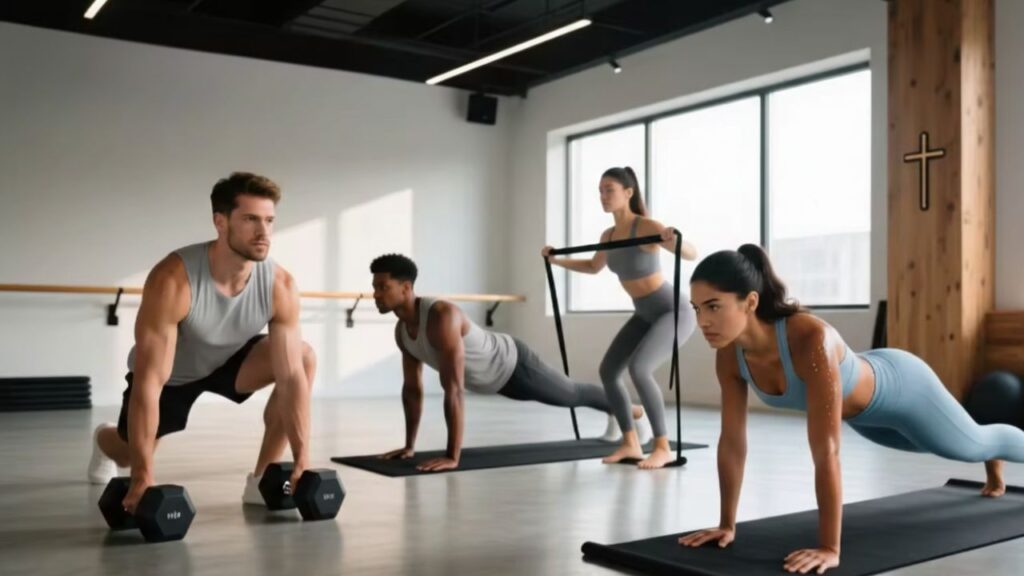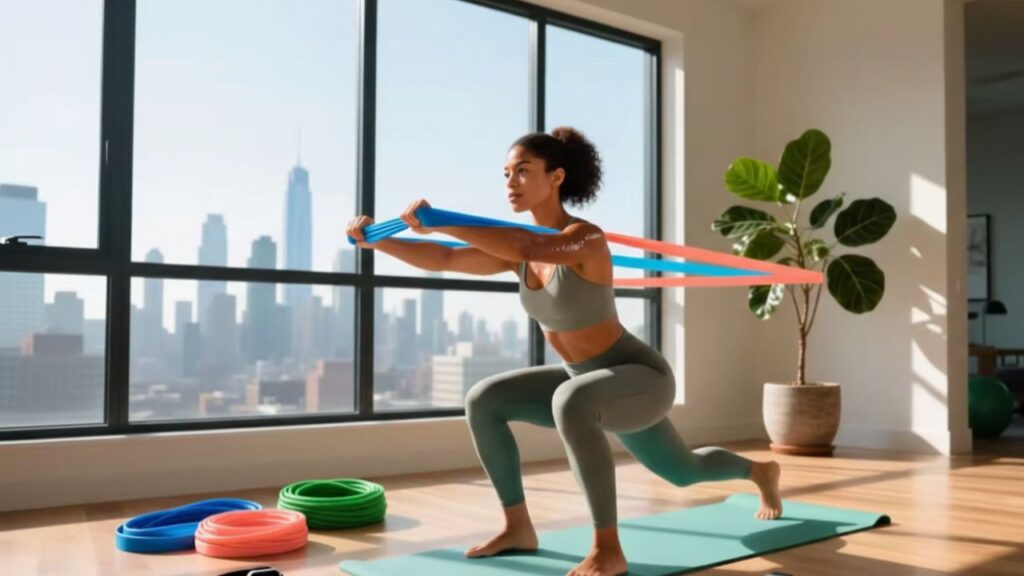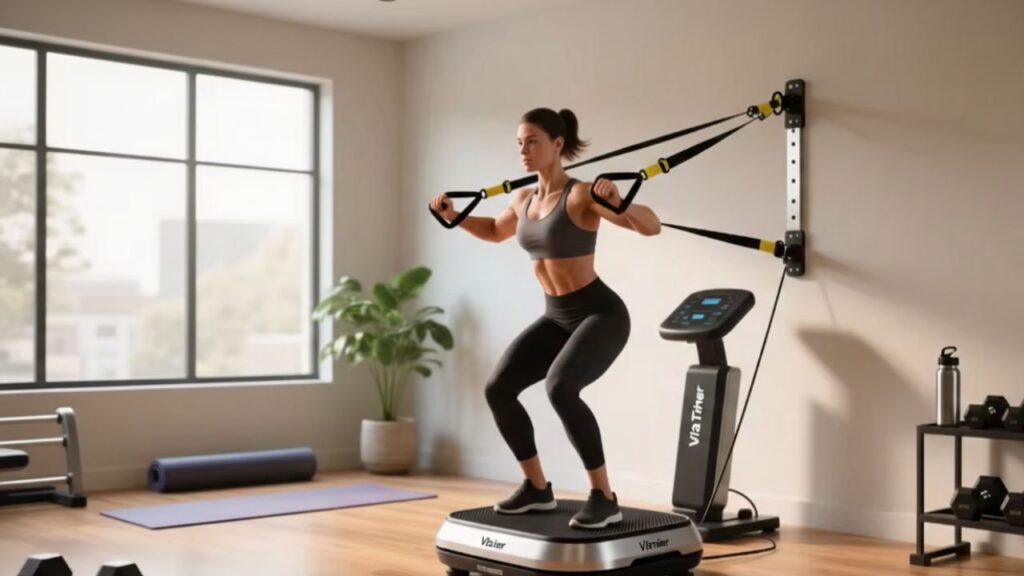
A 10-minute session on a vibration plate is roughly equivalent to walking 1,000–3,000 steps or burning 70–90 calories for an average adult, depending on weight and intensity. While it does not replace traditional cardio or strength training, it can enhance muscle activation and circulation, especially when combined with resistance bands or bodyweight exercises like squats and push-ups. This makes it a time-efficient option for individuals seeking low-impact movement, particularly those with joint sensitivities or limited mobility. However, results depend on consistent use and integration into a broader wellness plan that includes physical activity and balanced nutrition.
About 10 Minutes on a Vibration Plate
What does a 10-minute vibration plate workout involve? It typically includes standing, squatting, or performing dynamic movements on a platform that emits rapid vibrations, stimulating muscle contractions. These machines, such as models combining vibration with resistance bands, aim to increase neuromuscular engagement without high joint stress.
Common use cases:
- Warm-up enhancement: Activating muscles before a workout
- Recovery support: Promoting blood flow post-exercise
- Time-constrained routines: Delivering a compact stimulus for busy schedules
- Low-impact fitness: Offering movement options for those avoiding heavy loading
Why Vibration Plate Workouts Are Gaining Popularity
Modern lifestyles prioritize efficiency and accessibility. A 10-minute vibration plate workout appeals to users looking for science-backed, minimal-time interventions. Key drivers include:
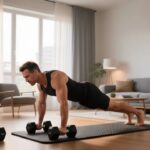
- Time efficiency: Busy individuals can achieve measurable physiological stimulation in under 15 minutes
- Home fitness integration: Compact units fit easily into small spaces, supporting consistent habits
- Low-impact appeal: Growing interest in sustainable, joint-friendly movement patterns
- Quantifiable feedback: Many devices sync with apps to track session duration and estimated output
Additionally, the concept of “exercise snacking”—short, frequent bursts of activity—aligns well with vibration training, making it a practical tool for sedentary populations aiming to increase daily movement.

Approaches and Differences
Different ways to use a vibration plate yield varying outcomes. Here’s a comparison of common methods:
| Method | Benefits | Limitations |
|---|---|---|
| Standing Only | Low effort, improves balance & circulation | Limited calorie burn, minimal strength gain |
| Static Poses (e.g., squat hold) | Enhanced muscle activation, endurance focus | May fatigue quickly, less cardiovascular effect |
| Dynamic Exercises (lunges, push-ups) | Higher calorie burn, full-body engagement | Requires stability, steeper learning curve |
| With Resistance Bands | Increased load, better strength adaptation | Coordination needed, risk of band snap if worn |
Key Features and Specifications to Evaluate
When assessing a device like a vibration plate with resistance bands, consider these measurable factors:
- Vibration frequency (Hz): Ranges from 20–50 Hz; higher frequencies increase muscle fiber recruitment
- Amplitude (mm): Distance the plate moves; affects intensity and comfort
- Motor power: Determines consistency across user weights and movement types
- Resistance band quality: Look for latex-free, multi-tension options with secure anchor points
- Programmability: Pre-set modes (e.g., warm-up, massage, training) add versatility
- Weight capacity: Must support your body weight plus added resistance safely
Pros and Cons
Advantages:
- Time-efficient: Delivers noticeable muscle engagement in short durations
- Low-impact: Gentle on joints, suitable for varied fitness levels
- Versatile pairing: Can be used with resistance bands, yoga, or stretching
- Mobility support: May aid in maintaining range of motion
Limitations:
- Not cardio replacement: Limited cardiovascular conditioning compared to running or cycling
- Supplemental role: Works best alongside other forms of exercise
- Learning curve: Proper form needed to avoid imbalance or strain
- Variable results: Outcomes depend on consistency, technique, and individual physiology
How to Choose the Right Vibration Plate Routine
Follow this step-by-step checklist to make informed decisions about incorporating vibration training:

- Define your goal: Is it muscle activation, recovery, or calorie expenditure? Match the method accordingly.
- Assess space and setup: Ensure enough room for safe movement, especially when using resistance bands.
- Test stability: Confirm the unit doesn’t shift during operation; non-slip surfaces are essential.
- Start slow: Begin with 5–10 minute sessions at lower frequencies to gauge tolerance.
- Incorporate movement: Avoid just standing; add squats, arm presses, or gentle jumps to boost effectiveness.
- Combine with resistance: Use bands to increase workload and stimulate more muscle groups.
- Avoid overuse: Limit sessions to 15–20 minutes per day to prevent overstimulation.
- Consult guidelines: Review user manuals and safety recommendations before regular use.
Insights & Cost Analysis
Vibration plates range widely in price based on features. While specific costs for a vibration plate with resistance bands may vary by retailer and region, general market insights show:
- Entry-level (basic vibration): $100–$200 — suitable for light use and simple routines
- Mid-tier (adjustable frequency + programs): $200–$400 — better motor durability and added functionality
- Premium (high amplitude, app connectivity): $400+ — often used in clinical or athletic settings
Better Solutions & Competitor Analysis
While standalone vibration plates serve a niche, integrating them into broader fitness strategies enhances outcomes. Consider how they compare to alternative tools:
| Solution | Best For | Potential Drawbacks |
|---|---|---|
| Vibration Plate + Bands | Low-impact activation, time efficiency | Limited cardio benefit, requires proper form |
| Mini Trampoline (Rebounding) | Lymphatic flow, fun cardio alternative | Higher impact, needs ceiling clearance |
| Portable Resistance Bands (Solo) | Strength, portability, affordability | No vibration stimulus, self-motivation needed |
| Bodyweight Circuit Training | Full fitness development, free | Time-intensive, requires discipline |
Customer Feedback Synthesis
Based on aggregated user experiences, common themes emerge:
Frequent Praise:
- “Great morning wake-up for stiff muscles”
- “Easy to use while watching TV—fits into my routine”
- “Noticeable improvement in leg tone after consistent use”
- “Love combining it with resistance bands for upper body work”
Common Complaints:
- “Hard to feel much benefit from just standing
- “Bands wore out quickly—need to replace often
- “Machine noise louder than expected
- “Didn’t see changes without diet and other exercise
Maintenance, Safety & Legal Considerations
Maintenance tips:
- Wipe down the platform after each use to prevent moisture buildup
- Inspect resistance bands regularly for cracks or fraying
- Keep firmware updated (if applicable) for smart models
- Store in a dry, temperature-controlled environment
Safety notes:

- Do not use barefoot if surface is abrasive; supportive footwear or socks recommended
- Avoid prolonged use beyond manufacturer guidelines
- Ensure clear space around the unit to prevent tripping
- Discontinue use if experiencing pain, numbness, or imbalance
Conclusion
If you need a time-efficient, low-impact way to activate muscles and support circulation, a 10-minute vibration plate session—especially when paired with resistance bands—can be a valuable addition to your routine. However, if your primary goals are cardiovascular fitness or significant strength gains, prioritize traditional training methods and use vibration as a complementary tool. Success depends not on the device alone, but on consistency, proper technique, and integration with overall healthy habits.