
Recently, immersive breathwork practices like 9D breathwork have become popular as quick ways to calm the nervous system and reset emotions. This method might be worth looking into if you want a structured way to reach deeper levels of calm and mental clarity through a combination of audio and breathing techniques. In the past year, more people have been interested in somatic self-regulation, which has made these methods easier to find, especially for people who are stressed out or want to become more self-aware without traditional meditation. The main idea is simple: use rhythmic diaphragmatic breathing and layered soundscapes (like binaural beats and guided prompts) to change the way your brain waves work and help your subconscious process things again. You don’t need to think too much about this if you’re a normal user. For most people, it’s not about having mystical experiences; it’s about making space between stimulus and response. If you have heart problems or are prone to anxiety attacks, though, be careful—this isn’t a way to relax passively. It can be a safe way to “reset” your mind when you’re tired.
About 9D Breathing
9D breathwork is a new practice that uses audio to guide you through deep, rhythmic breathing and multi-layered sound technology to change your physical and mental states. It is not like basic box breathing or mindfulness exercises; it is meant to be an immersive experience. It is usually delivered through headphones with binaural beats, solfeggio frequencies (often tuned to 432 Hz), subliminal affirmations, and vocal coaching cues.
“9D” doesn’t mean nine real dimensions; it means the combination of nine experiential layers: breath rhythm, sound frequency, hypnotic suggestion, guided visualisation, somatic awareness, neuro-linguistic programming, harmonic tuning, resonance fields, and subconscious anchoring. This fusion seeks to circumvent the analytical mind and activate more profound neural networks linked to emotion and memory.
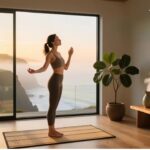
Most sessions last 20 to 30 minutes and consist of three rounds of continuous, circular breathing. During these rounds, you breathe deeply through your mouth and then exhale quickly without stopping. During the process, people often say they feel warm, tingly, emotional, or see things in their minds. People often use it for personal growth, wellness retreats, and resilience training programs where being able to handle your emotions is important.

Why 9D Breathwork Is Becoming More Popular
There has been a cultural shift toward embodied practices that can quickly change mood and focus. People don’t just want theoretical self-help anymore; they want tools they can use right away. That’s where 9D breathwork comes in.
Its rise is linked to more people becoming aware of how chronic stress, digital overload, and emotional suppression can mess up the nervous system. A lot of people find it hard to meditate while sitting down because it makes their minds race instead of calming them down. 9D breathwork, on the other hand, gives the busy mind something to do: follow the rhythm and track the sound layers. This, in a strange way, makes things still beneath the surface.
Another reason it’s popular is that it’s easy to get to. Users can have guided sessions at home with apps and pre-recorded audio journeys. You don’t need any special equipment or training besides headphones and a quiet place. Facilitated group events also offer healing spaces in the community, which make them seem even more effective because of the shared energy and integration circles that happen after the event.
Methods and Differences
All breathwork aims to regulate the autonomic nervous system, but the intensity and design of the methods differ greatly:
| Method | Primary Focus | Pros | Cons |
|---|---|---|---|
| Breathwork for Holotropic | Deep psychological exploration | Possibility of deep understanding and dealing with trauma | Needs a trained facilitator; high intensity; risk of being too much |
| Wim Hof’s Way | Cold exposure and breathing too fast | Increases energy, immune response, and discipline | Not good for heart problems; hard to learn |
| Breathing in a box (4-4-4-4) | Less stress, more focus | Easy to learn, safe, and simple. | Not very deep for emotional release. |
| 9D Breathwork | Audio-enhanced emotional reset | Uses neuroscience principles, has a guided structure, and can be scaled. | Might feel too stimulating; depends on tech |
The audio part of 9D breathwork is very well-made, which sets it apart from other types of breathwork. Holotropic only uses music and presence, but 9D uses specific frequencies to push brainwaves into theta states, which are linked to dreaming and deep relaxation. This makes it especially useful for people who do better with outside stimuli than with quiet.
When it matters: If you have trouble keeping your mind from racing while you meditate or want a way to reset your emotions that you can use again and again, the audio scaffolding in 9D breathwork can help.
If you just want to ground yourself every day, simpler techniques like diaphragmatic breathing or coherent breathing (5–6 breaths per minute) work just as well and don’t require any downloads or devices.
Important Features and Specs to Look At
Not all 9D breathwork programs are created equal. Here’s what to assess before committing:
- Audio Quality & Layering: Does the track integrate binaural beats cleanly? Are voice cues timed with breath cycles?
- Session Length: Most effective sessions range from 20–35 minutes. Shorter ones may lack depth; longer ones increase fatigue risk.
- Facilitation Style: Is the guide directive (“Breathe now”) or suggestive (“Let your breath flow”)? Directive styles work better for beginners.
- Integration Support: Do creators offer reflection prompts or journaling guides post-session?
- Scientific Grounding: While not clinically validated, reputable providers reference established concepts like polyvagal theory or entrainment.
When it’s worth caring about: For repeat users aiming for consistent results, session design directly impacts outcomes. Poorly mixed audio can distract or disorient.
When you don’t need to overthink it: For first-timers, any well-reviewed 9D journey from a credible source will suffice. Don’t obsess over specs initially—experience matters more than technical perfection.
Illustration showing mind-body connection during breathwork
Pros and Cons
Advantages
- Rapid Shifts: Users often report immediate changes in mood and energy after one session.
- Emotional Release: Can help discharge stored tension linked to unresolved stress patterns.
- Scalability: It’s available online, so anyone in the world can use it.
- Mental Clarity: Changes state quickly to help break rumination loops.
Limitations
- Risk of Overstimulation: Loud sounds and breathing can make some people feel dizzy or anxious.
- Tech Dependency: You need headphones and a playback device, which makes it less spontaneous than silent practices.
- Quality varies: There is no standard, so the quality depends a lot on the producer’s skill.
- Need for Integration: Insights can fade quickly if you don’t think about them.
You don’t need to think too hard about this if you’re a normal user. Most people think the benefits are better than the drawbacks, but only if they have realistic expectations and set personal limits.

A Guide to Choosing 9D Breathwork
Use this list to see if and how you should start doing 9D breathwork:
- Make sure you know what you want: Are you looking for stress relief, emotional processing, or better performance? Match the purpose to the type of program.
- Check for Sensitivity: Have you ever had panic attacks or heart problems? Talk to an expert first.
- Begin with Free Sessions: Listen to the introductory audios before you buy the full courses.
- Check the credentials of the facilitator: Look for experience in coaching, psychology, or trauma-informed practices.
- Test One Session: Pay attention to how you feel physically and emotionally. Did you feel calm or upset?
- Avoid these mistakes: using it instead of therapy, thinking that one session will change everything, and ignoring signs of discomfort during practice.
When it matters: If you plan to use 9D breathwork every week or lead groups, it’s worth your time to check out the sources.
When you don’t need to think about it too much: If you only plan to use it once in a while, choose a highly rated option and treat it like any other wellness tool, not a miracle cure.
Insights and Cost Breakdown
Prices vary a lot:
- Free intro sessions (YouTube, apps)
- $10–$30 for a single downloadable journey
- $99–$299 for full course access
- $50–$150 for each live group session
- $500 or more for certification programs
For most people, spending less than $50 on a starter bundle gives them enough material to see if it works. There isn’t much proof that more expensive programs work better. The quality of the content is more important than the price.
You don’t need to think about this too much if you’re a normal user. Start with free resources and only pay for them if you keep getting value from them.
Better Solutions and Competitor Research
| Best for | Possible Problem | Budget |
|---|---|---|
| 9D Breathwork: Quick emotional resets with audio immersion | can be too much; needs tech | $–$$ |
| Soma BreathBuilding a daily rhythm and integrating music | Less intense; slower progress | |
| Get to know Access Consciousness BarsHeartMath Coherence Training: Non-effort releasing of mental blocks | passive; limited self-application Requires buying a device | $$$ |
There isn’t one method that is better than the others. HeartMath is better at accuracy because it uses data, while 9D is better at immediacy and engagement. Soma Breath makes it easier to get in.
Putting together customer feedback
Across platforms, user sentiment shows common themes:
- People often say things like, “It felt like a mental reboot,” “It helped me cry after years of being numb,” and “It was great for breaking procrastination.”
- People often say things like “too loud/metallic sounds,” “made me anxious,” and “didn’t know what to do at first.”
A quiet room and good headphones are important for getting positive results, as is getting your mind ready. Negative reactions usually happen when expectations don’t match up or when someone is sensitive to sensory input.
Legal, safety, and maintenance issues
Most of the time, it’s safe, but there are some situations where you should be careful:
- Cardiovascular diseases (like arrhythmia and high blood pressure that can’t be controlled)
- Respiratory illnesses (like COPD and severe asthma)
- History of neurological disorders (for example, epilepsy or seizures)
- Pregnancy, especially the first trimester
- Psychiatric conditions that are currently active (like mania or psychosis)
When you breathe hard, it can change the pH of your blood and the balance of oxygen and carbon dioxide, which can make you feel lightheaded or give you muscle spasms. Always practise while lying down, and stop if you have chest pain, changes in vision, or extreme distress.
Providers usually ask for health disclosures and disclaimers. These aren’t just legal formalities; they show real health risks. You don’t need to think about this too much if you’re a normal user. But if you have health problems, safety should come before curiosity.

In conclusion
9D breathwork is a structured way to calm your nervous system that uses sound technology and rhythmic breathing to help you let go of emotions and clear your mind. It’s most helpful for people who have trouble being still but want to know themselves better. 9D breathwork could be a helpful tool for you if you need a way to break stress loops and get to calmer states that you can use again and again with the help of technology. But if you like things simple or are worried about your health, gentler breathing exercises might be better for you. Begin with small steps, pay attention to how you react, and add to your routine mindfully.