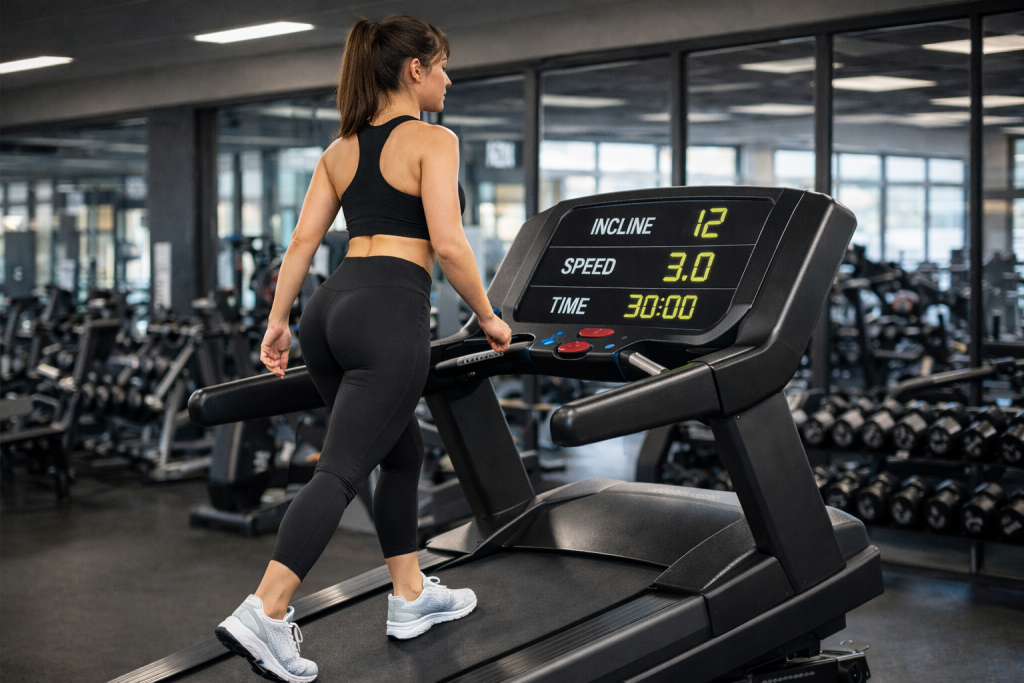
The total energy expenditure from an hour of resistance exercises like weightlifting, bodyweight movements, or machine-based routines can vary widely. Factors such as body weight, workout intensity, exercise selection, and rest periods all influence this number. While strength training burns fewer calories during the session compared to steady-state cardio, it offers prolonged metabolic benefits that extend beyond the workout itself.
Does 1 Hour of Weightlifting Help With Weight Loss?
This guide explores how dedicating one hour a day (or several times per week) to weightlifting contributes to weight loss. It delves into how muscle-building affects metabolism, compares calorie burn across activities, and offers practical strategies to optimize results through structured training and lifestyle habits.
Why Strength Training Is Gaining Popularity for Weight Management
More people are embracing strength training—not just for muscle gain, but also as an integral part of fat loss and long-term health. Traditional weight-loss advice has focused on cardio, but there is increasing awareness that building lean mass improves body composition more effectively than simply losing fat. Muscle tissue requires more energy at rest, meaning increasing muscle mass can elevate your resting metabolic rate (RMR), helping you burn more calories throughout the day—even while sitting or sleeping.

In addition, social media and fitness influencers have helped normalize weightlifting, making it more accessible for diverse populations, including women and older adults. The rise of home gyms and hybrid programs blending strength with high-intensity intervals has further popularized this exercise method.

Types of One-Hour Strength Training Workouts
Different types of strength training have varying outcomes in terms of calorie burn, muscle activation, and metabolic impact. Below are common approaches to a one-hour strength training session:
Full-Body Resistance Training
Targets all major muscle groups in a single session. Ideal for beginners and those looking for balanced development. This method burns a moderate amount of calories and triggers a systemic hormone response.
Split Routines (Upper/Lower Body)
Focuses on specific muscle groups on different days (e.g., upper body one day, lower body the next). While it allows higher volume for each muscle group, it may reduce the total calorie burn per session.
Circuit Training
Combines strength exercises with minimal rest, increasing heart rate and calorie expenditure both during and after the workout due to EPOC (Excess Post-Exercise Oxygen Consumption).
High-Intensity Interval Resistance Training (HIIRT)
Alternates between intense lifting bursts and short recovery periods. This approach maximizes the afterburn effect and cardiovascular demand.
Calorie Burn Estimates for Different Strength Training Styles
| Training Style | Calorie Burn (Est.) | Pros | Cons |
|---|---|---|---|
| Full-Body | 300–500 | Balanced, time-efficient, great for beginners | Limited specialization per muscle group |
| Split Routine | 250–450 | Allows focused growth, suitable for intermediates | Requires multiple weekly sessions for full coverage |
| Circuit Training | 400–600 | High calorie burn, improves endurance | Less optimal for maximal strength gains |
| HIIRT | 500–700 | Strong EPOC effect, efficient fat burner | Higher injury risk if form breaks down |
Key Metrics to Track for Strength Training and Weight Loss
When assessing the effectiveness of a one-hour strength training session for weight loss, consider these key indicators:
Resting Metabolic Rate (RMR): Track changes over time using indirect calorimetry or estimation formulas. An increase suggests improved metabolic efficiency.
Body Composition: Use methods like DEXA scans, bioelectrical impedance scales, or tape measurements to monitor fat loss versus muscle gain.
Workout Intensity: Measured by load (weight used), volume (sets × reps × weight), and effort (proximity to failure). Progressive overload is key for continued progress.
EPOC Duration: Elevated heart rate and mild soreness lasting 24–48 hours post-workout are signs of an extended calorie burn effect.
Nutritional Adherence: Use calorie tracking apps or food journals to ensure a consistent calorie deficit that aligns with your goals.

Pros and Cons of Strength Training for Weight Loss
Pros
- Promotes long-term fat loss by increasing muscle mass and RMR.
- Triggers EPOC, leading to continued calorie burn for up to 48 hours after exercise.
- Improves strength, posture, joint stability, and daily function.
- Preserves lean tissue during caloric restriction, unlike cardio-only approaches.
Cons
- Burns fewer calories immediately compared to running or cycling.
- Results may take longer to show—visible changes may require 4+ weeks.
- Proper technique is essential to avoid injury—there is a learning curve.
- Without dietary control, it may not be effective—poor diet undermines progress.
Choosing the Right Strength Training Plan for Weight Loss
To select an effective one-hour strength training program for fat loss, follow this guide:
Assess Your Experience Level: Beginners should start with full-body workouts 2–3 times weekly. Intermediates can adopt split routines or circuits.
Prioritize Compound Movements: Focus on squats, deadlifts, bench presses, rows, and overhead presses. These engage multiple muscle groups and burn more calories.
Adjust Volume and Rest: For fat loss, use moderate weights (60–75% 1RM), 3–4 sets of 8–12 reps, and 60-second rests to maintain metabolic stress.
Incorporate Supersets or Circuits: Pair non-competing exercises to keep your heart rate elevated and enhance calorie burn.
Track Progress: Log workouts, measure waist circumference, and adjust nutrition based on progress.
Strength Training for Weight Loss: Potential Pitfalls
Skipping warm-ups or cool-downs regularly.
Overtraining by lifting heavy weights every day without allowing adequate recovery.
Neglecting protein intake or overall calorie balance.
Expecting rapid scale changes without considering water retention or muscle gain.
Cost Breakdown of Strength Training
Strength training is an affordable method for weight management. Here’s a cost breakdown:
- Home Setup: Basic dumbbells ($50–$150), resistance bands ($20), and a mat ($30). Total: ~$100–$200 initial investment.
- Gym Membership: Costs range from $10–$50/month depending on the location and type of facility.
- Online Programs: Free or low-cost options available. Premium plans range from $10–$30/month.
- Personal Trainer: $40–$100 per session, useful for form correction, though not required long-term.
Better Solutions & Competitor Analysis
While strength training alone is powerful, combining it with other modalities may yield better results. Here are some comparisons:

| Approach | Suitability for Weight Loss | Potential Drawbacks |
|---|---|---|
| Strength Training Only | Good: builds muscle, boosts metabolism | Moderate calorie burn during session |
| Cardio Only (e.g., Running) | Fair: burns more calories acutely but doesn’t preserve muscle | Risk of muscle loss in calorie deficit |
| Combined Strength + Cardio | Best: maximizes fat loss while preserving muscle | Time-consuming, risk of overuse injuries |
| HIIT + Resistance | Excellent: high EPOC, efficient fat burning | Demands recovery; not ideal for beginners |
Conclusion
If you’re aiming for sustainable fat loss and improved body composition, a consistent strength training routine of one hour, performed 2–4 times per week, is an effective approach. It works best when combined with a balanced, calorie-conscious diet and adequate recovery. While it may not burn as many calories during the session as cardio, its long-term metabolic advantages make it a superior choice for lasting weight management.