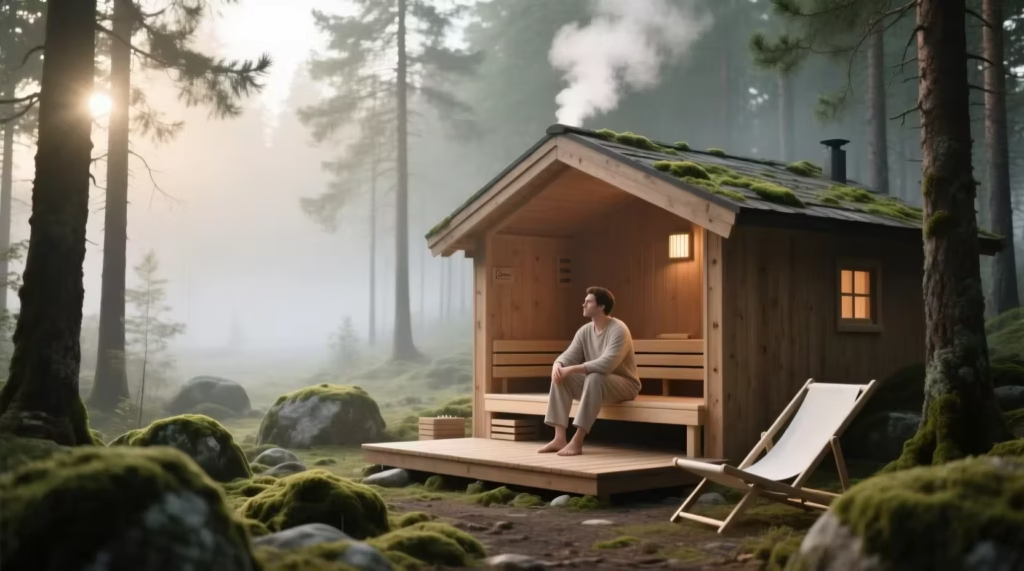
More and more people are putting up 1-person outdoor saunas as part of a planned self-care routine that includes nature, heat therapy, and mindfulness. If you’re thinking about getting one, here’s the main point: infrared models heat up faster and use less energy, while traditional wood-fired saunas are more like a ritual but need more upkeep. A pre-built infrared unit is the best choice for most people who want convenience and reliable access. But if you want to get more in touch with natural rhythms and like to do things by hand, a wood-burning model might be a better fit for your lifestyle 🌿. If you’re a normal user, you don’t need to think about this too much. Just focus on the quality of the insulation, the levels of EMF (for infrared), and the materials that can withstand the weather.
One-Person Outdoor Saunas
A 1-person outdoor sauna is a small, self-contained heat chamber that is meant to be used by one person in a backyard or garden. These are made to be outside and can handle rain, snow, and changes in temperature. They often use thermally modified wood, cedar, or composite cladding. They are private wellness spaces where people go to relax, recover from exercise, and reset their minds through regular heat sessions.
Some common uses are warming up in the morning when it’s cold, winding down at night after work, or adding it to a fitness recovery plan. These units work well in small yards, city patios, or country retreats, so they can be used even if you don’t have a lot of space. People like them because they let you be alone and separate your senses from the stress of everyday life, which bigger models with more people can’t always do.

Why more and more people are buying outdoor saunas for one person
Interest in personal wellness infrastructure has changed over the past year. Now, people are more interested in at-home solutions that help them stay consistent without requiring a lot of time or money. One-person outdoor saunas are appealing because they offer a full sauna experience without the need for family coordination or high operating costs. People are starting to see these units as more than just luxury items; they see them as tools for long-term self-control.

This trend shows that people are changing how they think about their health and happiness: it’s less about getting the most out of their performance and more about taking intentional breaks. A solo session gives you uninterrupted time to do breathwork, write in a journal, or just sit in silence—things that are good for mindfulness and emotional grounding. In many places, zoning rules for small buildings have also become more flexible, making it easier to install them.
Ways of doing things and differences
There are two main types of outdoor saunas for one person: infrared and traditional (with a wood or electric heater). Each one has its own set of priorities.
Infrared Saunas
How they work: Instead of heating the air, they use far-infrared panels to directly warm the body.
Time to warm up: 10 to 20 minutes.
Use less energy (usually 1.5–2 kW).
When it’s worth caring about: If you want short sessions, lower electricity bills, or live in an area where energy costs are high.
When you don’t need to think too hard about it: If you’re already used to using tech to help you with your health, like smartwatches or meditation apps.
Old-Fashioned Saunas
How they work: Electric or wood-burning stoves can heat the air and work best when the temperature is between 70 and 100 degrees Celsius.
Time to warm up: 30 to 60 minutes (longer for wood-fired).
Energy/fuel use: More electricity or a steady supply of firewood is needed.
When you should care: If you care about cultural authenticity, tactile rituals (like pouring water on stones), or being able to live off the grid.
When you don’t need to think too much about it: If you don’t light fires very often or like systems that are easy to set up and use.
A close-up look at infrared heating panels in a wooden sauna cabin
Infrared heating elements give you targeted warmth while using less energy and starting up faster.
Important Features and Specifications to Look At
When choosing a model, you need to look at more than just how it looks.
- For insulation, look for walls that are double-walled and have thermal breaks. Bad insulation makes things take longer to warm up and costs more to run.
- Infrared EMF levels: Choose claims of “ultra-low EMF” that have been tested by a third party. This article doesn’t talk about the health effects, but less exposure can help you feel better.
- Cedar and thermally modified pine are naturally resistant to rot and bugs. Don’t use untreated softwoods in wet areas.
- Ventilation: Adjustable intake and exhaust vents keep the air fresh and stop it from getting stuffy.
- Weatherproofing: Roof overhangs, sealed joints, and floors that are higher up help things last longer outside.
- Control interface: Bluetooth speakers aren’t necessary, but they do make things easier. Digital thermostats make things more accurate.
Good and Bad
| Factor | Benefits | Possible Downsides |
|---|---|---|
| Efficiency in Space | Fits in small yards and takes up little space. | Not much room to move or stretch |
| Privacy | Only you can use it; no scheduling conflicts | No social benefit for everyone |
| Cost of Running | Infrared: about $6 to $10 per month; wood-fired: ongoing fuel cost | |
| Upkeep | Electric models don’t need much care. | You need to clean out the ash and take care of the chimney on wood-burning stoves. |
| Putting it in place | Most are pre-fab, and some only need a flat surface. | You might need a GFCI outlet or an electrical permit. |
How to Pick an Outdoor Sauna for One Person
Use this step-by-step guide to help you make a choice you can be sure of:
- Find out what your main goal is. Is it to relieve stress every day? Recovery after working out? Ritual practice? This affects what kind of heater people like.
- Check your climate: areas with cold weather need better insulation, while areas with a lot of rain need tight seals and overhangs.
- Check to see if power is available: Infrared units need their own 110V or 220V circuit. No electricity? Think about using wood, but check the rules for burning in your area.
- Check your ability to put things together: DIY kits are cheaper but take 8–12 hours. Pre-assembled units come almost ready to use.
- Check the warranty and support: Look for structural coverage that lasts at least five years. Brands respond in very different ways.
Stay away from these common mistakes:

- Picking based only on price without looking at the insulation specs.
- Not following local building codes or rules from the HOA.
- Putting things too close to property lines or surfaces that can catch fire.
If you’re like most people, you don’t need to think too hard about this. Spend more on durability, not gimmicks.
A person leaving an outdoor sauna and stepping into a snowy landscape with a towel around their shoulders
Moving from hot to cool air outside makes contrast therapy work better and makes you more aware of your senses.
Cost Analysis and Insights
The initial investment can be very different:
| Type | Average Price Range (USD) | Monthly Estimate of Running Cost |
|---|---|---|
| Infrared (pre-built) | $4,500 to $9,000 | $6 to $12 |
| Wood-Fired (kit) | $3,000–$6,500 | $20+ for firewood |
| Electric heater (standard) | $4,000 to $7,500 | $10 to $18 |
| Basic DIY kits | $2,000 to $3,500 | $8 to $15 |
The upfront costs may seem high, but when you spread them out over 10 years, the daily cost of ownership drops below $1.50 for most models. When used regularly, these are similar to gym memberships or weekly massage subscriptions.
The real difference in cost comes from how people use them: infrared users tend to use them more often because it’s easier, which makes them seem more valuable. Users of wood-fired stoves say they are more satisfied with each session but use them less often.
Better Solutions and Analysis of Competitors
| Brand | Focus | Strengths | Possible Problems | Money |
|---|---|---|---|---|
| CedarBrook (DIY Insulated Kits) | Keeps heat in well; easy to put together | Customers have said that the response times for customer service are slow. | ||
| Almost Heaven (Wood-Fired) | High-quality work; a lot of support from the community | High prices and long wait times | High-end | |
| Nordica Sauna (Infrared) | Prices that are competitive; free shipping | Few ways to customize | Budget to mid |
There is no one brand that is always better than the others. The best choice depends on what you value most: speed, authenticity, or cost-effectiveness.
Putting together customer feedback
According to reviews and forum posts, users consistently praise:
- Sessions that are private and free of distractions 🌙
- Infrared units warm up quickly
- How long cedar construction lasts
- The therapeutic difference between a hot sauna and cool air
People often complain about
- Long wait times for custom builds
- Costs of setting up electricity that were not planned
- Hard to keep the temperature stable when it’s below zero
- Some cheap models promised too much EMF protection.
Safety, upkeep, and legal issues
Taking care of things properly makes them last longer and work safely:

- Cleaning: Use a mild vinegar solution to wipe down the benches once a month; stay away from strong chemicals.
- Care for wood: To keep it from drying out and cracking, apply natural oil every 6 to 12 months.
- For electrical safety, use a circuit with a GFCI and check the cords once a year.
- Fire safety: Keep at least 3 feet away from plants or buildings, especially if you burn wood.
- Zoning: Look at your city’s codes; some areas need permits for permanent buildings larger than 120 square feet.
- HOA rules: Before you place your order, make sure there are no restrictions on how it looks or where it goes.
Final Thoughts
Choose a well-insulated infrared model with low EMF output if you want to have heat sessions that are easy to do and fit into your modern life. A wood-fired traditional sauna is better if you want a mindful ritual that includes fire, patience, and being fully present. For most people, the infrared route offers better long-term consistency when it comes to time, budget, and ease of use. If you’re like most people, you don’t need to think too hard about this. Just start by making habits and then improve your gear.