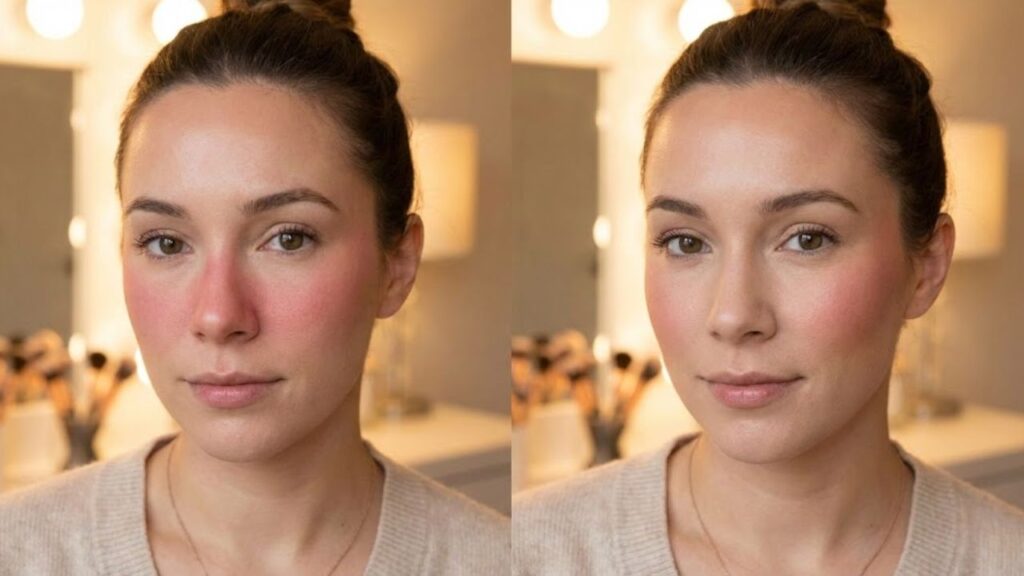
The blush after powder technique is quickly becoming a favorite among makeup lovers who want a softer, more natural-looking glow. Instead of applying blush before setting powder, this method flips the order to create a diffused, skin-like finish. The result? Cheeks that look gently flushed rather than overly sculpted or heavy. Whether you prefer minimal makeup or a full glam routine, this simple switch can completely transform your look. It’s an easy adjustment that delivers smoother blending and a beautifully balanced complexion.
Why the Blush After Powder Technique Looks More Natural
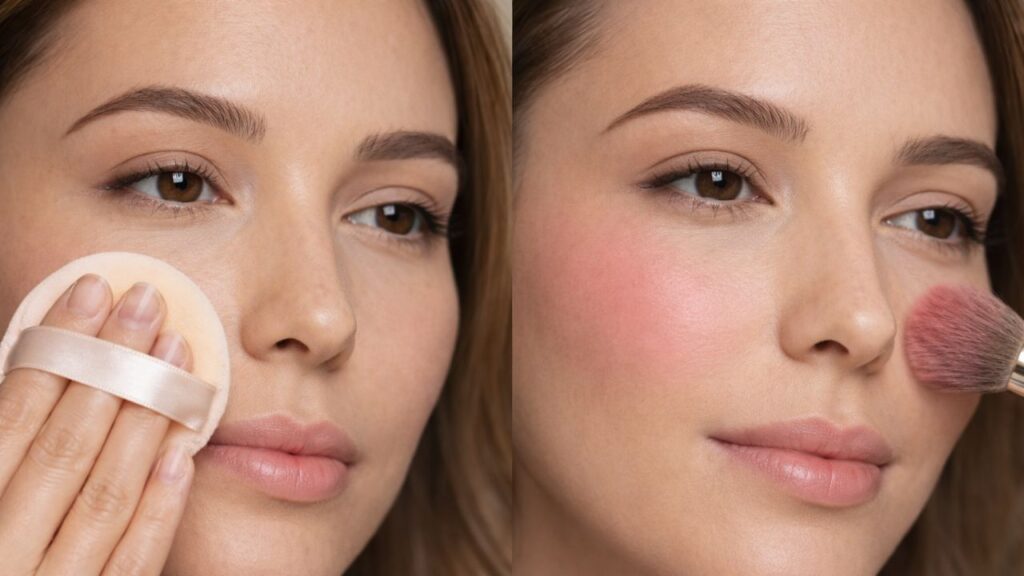
Applying blush after setting your base with powder allows the pigment to sit lightly on top of the skin rather than blending too deeply into foundation. This creates a soft focus glow that mimics a real flush. Powder acts as a subtle barrier, helping prevent patchiness and uneven color payoff. Many artists love this trick because it gives better control and avoids harsh lines. Instead of intense streaks, you get a diffused color payoff that blends effortlessly. The overall effect feels lighter, fresher, and closer to real skin texture, making it ideal for anyone chasing that natural makeup finish.
How to Master the Powder-First Blush Method
To get the best results, start with your usual base—foundation and concealer—then lightly set everything with a translucent powder. Once the skin feels smooth and matte, apply blush using a fluffy brush and gentle tapping motions. This ensures even pigment control and prevents over-application. Build the color gradually for a seamless cheek blend rather than packing it on all at once. A light hand is key here. Because the powder reduces slip, you’ll notice a smoother blending process and less risk of disturbing your base. The final look offers balanced face definition without overpowering the rest of your makeup.
Best Blush Formulas for a Softer Powder-Set Finish
Not all blushes perform the same over powder, so choosing the right formula matters. Finely milled powder blushes work beautifully because they layer smoothly and maintain a lightweight color layer. Satin or matte finishes tend to enhance that airy effect, while overly shimmery formulas can emphasize texture. If you prefer creams, opt for hybrid formulas designed for layered makeup routines. The goal is to achieve a natural flush effect that complements your complexion without looking heavy. When paired correctly, this technique leaves you with a soft matte base and a radiant yet understated glow.

Why This Technique Is Worth Trying
The blush after powder technique proves that small changes can make a big difference in your routine. By adjusting the order of application, you gain more control over intensity and blending. The finish looks refined, polished, and incredibly wearable for both everyday looks and special occasions. It helps reduce harsh edges and creates a complexion that appears smooth and effortless. If you’ve struggled with blotchy blush or overly pigmented cheeks, this method might be the solution. With a little practice, you’ll achieve effortless makeup results that enhance your features without overwhelming them.
| Step | Action | Purpose |
|---|---|---|
| 1 | Apply foundation & concealer | Create an even base |
| 2 | Set with translucent powder | Reduce shine and smooth texture |
| 3 | Apply blush lightly | Add controlled color |
| 4 | Blend edges gently | Achieve a soft finish |
| 5 | Finish with setting spray | Lock in makeup |
Frequently Asked Questions (FAQs)
1. Is blush after powder better for oily skin?
Yes, it helps control shine and prevents blush from becoming patchy.
2. Can I use cream blush over powder?

You can, but lightweight hybrid formulas work best to avoid lifting the base.
3. Does this technique make blush last longer?
Yes, the powder layer helps grip the pigment for extended wear.
4. Is this method suitable for beginners?

Absolutely, it offers better control and easier blending for a natural look.