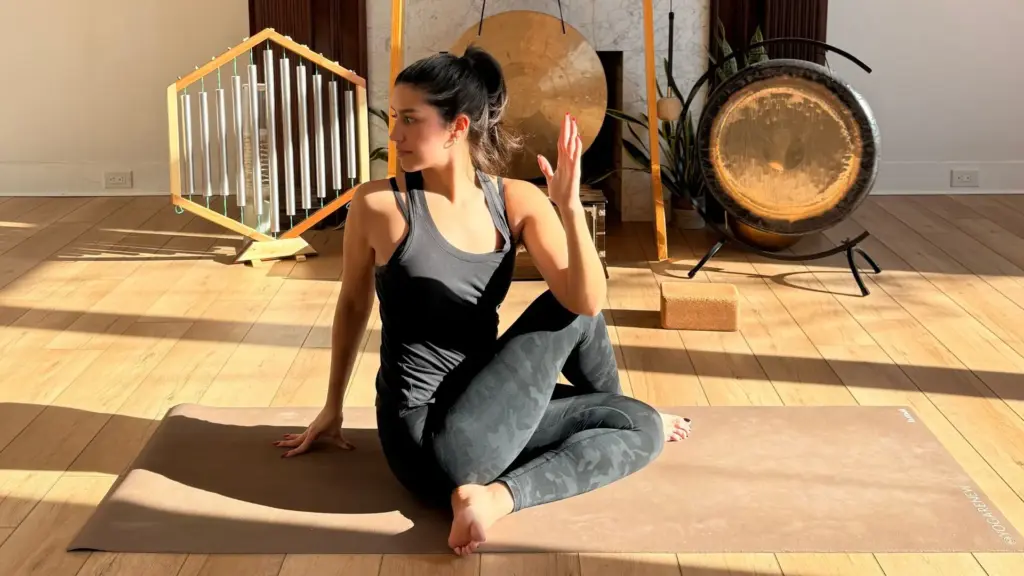
1. Gentle Stretching as a Grounding Movement
Gentle stretching is one of the most effective grounding movements to keep you calm and present. When you slowly stretch your arms, neck, or legs, you activate body awareness and encourage deep breathing. This simple action reduces muscle tension and shifts your focus away from anxious thoughts. Try standing tall, reaching your arms overhead, and taking a slow breath in. As you exhale, notice how your body feels. This creates a mind-body connection that anchors you in the present. Even two or three minutes of mindful stretching can reset your mood and bring a sense of stability.
2. Slow Walking for Staying Calm and Present
Slow walking is another powerful way to practice grounding movements daily. Instead of rushing, walk at a relaxed pace and pay attention to each step. Feel your feet touching the ground and notice the rhythm of your movement. This encourages present moment focus and reduces mental overload. Walking outdoors can also enhance your sensory awareness as you observe sounds, smells, and textures around you. Even indoors, pacing slowly while concentrating on your breath creates a steady inner rhythm. Over time, this mindful habit trains your brain to respond calmly to stress rather than react impulsively.

3. Grounding Through Controlled Breathing Movements
Controlled breathing combined with light movement can instantly calm your nervous system. Try gently swaying your body side to side while taking slow, even breaths. This activates your nervous system balance and promotes emotional regulation. When you focus on inhaling for four counts and exhaling for four counts, you interrupt stress response patterns. Adding subtle arm movements can deepen the relaxation response in your body. The key is consistency—practicing for a few minutes each day strengthens your ability to stay grounded during challenging moments.

Why Grounding Movements Improve Emotional Stability
Grounding movements work because they shift attention from racing thoughts to physical sensations. When you engage in slow, mindful actions, your brain receives signals of safety and control. This builds emotional resilience and improves mental clarity. Over time, regular practice supports stress management skills and enhances your overall psychological well-being. The beauty of these techniques lies in their simplicity—they are accessible, adaptable, and effective. By incorporating grounding exercises into your daily routine, you create a reliable tool for staying calm, centered, and fully present in any situation.
| Grounding Movement | Main Benefit | Best Time to Practice | Duration |
|---|---|---|---|
| Gentle Stretching | Reduces muscle tension | Morning or breaks | 3–5 minutes |
| Slow Walking | Improves focus | After meals | 5–10 minutes |
| Controlled Breathing | Calms nervous system | During stress | 2–5 minutes |
| Gentle Swaying | Enhances relaxation | Evening wind-down | 3–7 minutes |
Frequently Asked Questions (FAQs)

1. What are grounding movements?
Grounding movements are simple physical exercises that help you stay calm and connected to the present moment.
2. How often should I practice grounding exercises?
You can practice them daily for a few minutes or whenever you feel stressed or overwhelmed.
3. Can grounding movements reduce anxiety?
Yes, they help calm the nervous system and lower immediate stress responses.

4. Do I need special equipment for grounding techniques?
No, grounding movements require no equipment and can be done almost anywhere.